.png)
5 Ways Auto Repair Shops Use Alternative Funding
Auto repair shops face unique financial challenges that traditional banking might not fully address. From managing seasonal cash flow fluctuations to investing in rapidly evolving diagnostic technology, shop owners need flexible financing solutions that align with their business cycles. Alternative funding has emerged as a valuable resource for auto repair businesses seeking to modernize, expand, or maintain steady operations without the rigid constraints of conventional financing.
Understanding how other successful shops leverage these funding options can help you make informed decisions about your business's financial future. Let's explore the most common ways auto repair shops use alternative funding to overcome operational hurdles and capitalize on growth opportunities.
Common Questions About Auto Repair Shop Financing
Shop owners often have similar concerns when exploring funding options. Understanding the basics can help clarify which financing approach might work best for your specific situation.
Q: What makes alternative funding different from traditional bank financing?
Alternative funding typically offers faster approval processes and more flexible qualification criteria. While banks may require extensive documentation and collateral, alternative lenders often focus on your business's cash flow and daily operations. This approach can be particularly beneficial for auto repair shops that have steady customer bases but may not meet traditional lending requirements.
Q: How quickly can auto repair shops typically access alternative funding?
Many alternative funding options can provide capital within days or weeks, compared to the months that traditional bank processes might require. This speed can be crucial when you need to purchase equipment quickly or cover unexpected expenses that could impact your shop's operations.
Inventory Management and Parts Financing
Maintaining adequate parts inventory represents one of the most significant ongoing expenses for auto repair shops. Alternative funding helps shops manage this challenge through several key approaches.
- Bulk purchasing power: Access to capital allows shops to buy parts in larger quantities, often securing better wholesale pricing and ensuring popular items stay in stock during busy periods.
- Seasonal inventory adjustments: Funding helps shops prepare for seasonal demands, such as stocking up on winter tires, batteries, and heating system components before cold weather arrives.
- Emergency parts procurement: When unexpected repairs require specialty parts, alternative funding provides the flexibility to source components quickly without disrupting cash flow for other operational needs.
- Vendor relationship improvements: Consistent cash flow from alternative funding may help shops negotiate better payment terms with suppliers and maintain positive relationships with parts vendors.
Equipment and Diagnostic Tool Upgrades
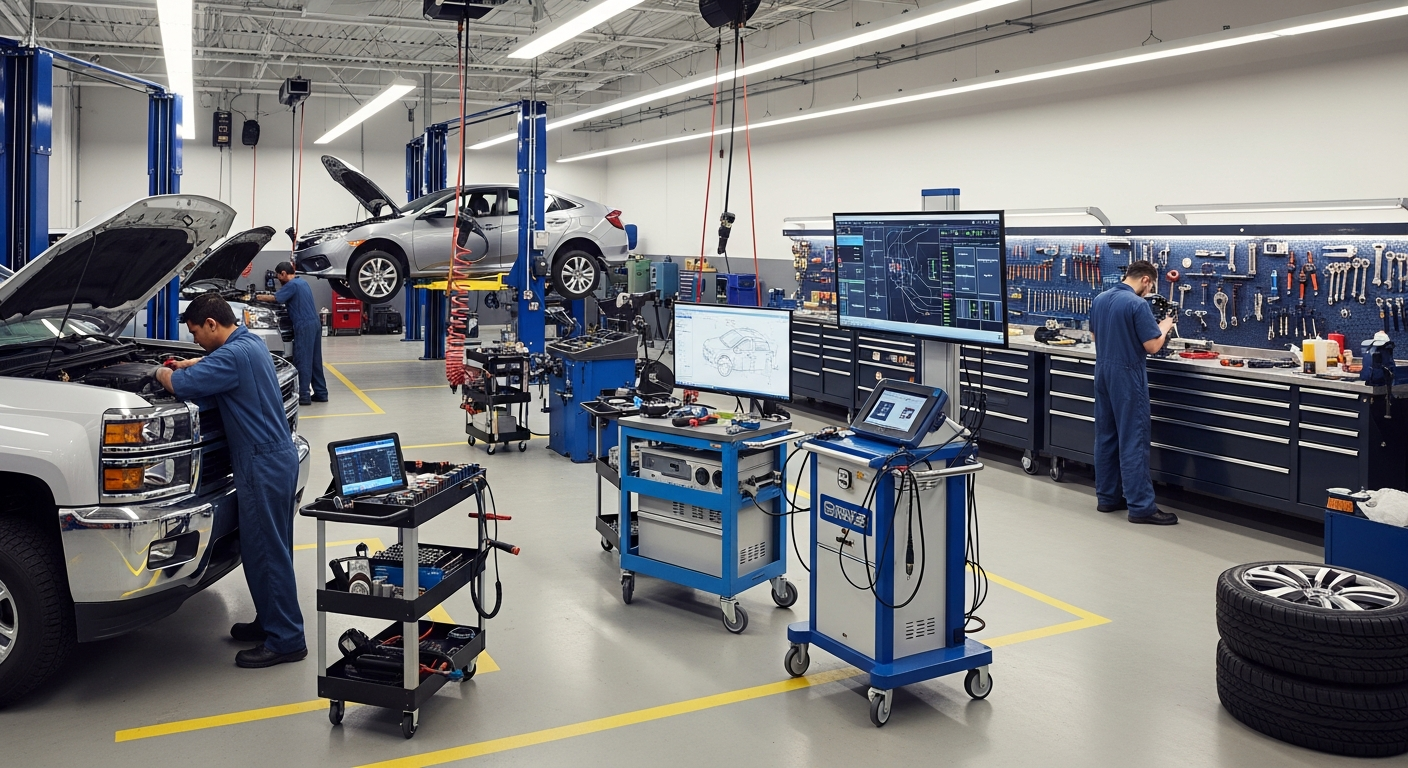
Modern vehicles require sophisticated diagnostic tools and equipment that represent substantial investments for auto repair shops. Alternative funding makes these essential upgrades more accessible.
- Technology evolution compliance: As vehicles become more computerized, shops need current diagnostic software and hardware to service newer models effectively and maintain their competitive edge.
- Efficiency improvements: New equipment often reduces labor time and increases diagnostic accuracy, potentially improving profit margins and customer satisfaction over time.
- Specialized service capabilities: Funding allows shops to invest in equipment for specific services like air conditioning repair, transmission work, or hybrid vehicle maintenance, expanding revenue opportunities.
- Safety and compliance upgrades: Alternative funding helps cover costs for safety equipment, environmental compliance tools, and facility improvements that may be required by regulations.
Payroll Coverage and Workforce Management
Skilled technicians are essential for auto repair shops, but managing payroll during slower periods or growth phases can strain cash flow. Alternative funding provides several solutions for workforce-related expenses.
- Seasonal cash flow smoothing: Funding helps maintain consistent payroll during traditionally slower months, preventing the loss of experienced technicians who might seek employment elsewhere.
- Training and certification investments: Alternative funding can cover costs for employee training programs and certifications, ensuring your team stays current with evolving automotive technology.
- Recruitment and retention support: Access to capital allows shops to offer competitive wages and benefits, helping attract skilled technicians in a competitive labor market.
Step-by-Step Approach to Shop Upgrades

Shop upgrades require careful planning and adequate funding to execute successfully. Many auto repair businesses use alternative financing to implement improvements systematically.
- Facility assessment and planning: Start by evaluating your current space and identifying areas that need improvement, such as customer waiting areas, work bays, or storage capacity. Alternative funding provides the capital needed for renovation projects.
- Infrastructure improvements: Invest in essential systems like electrical upgrades, air compressor systems, vehicle lifts, or ventilation improvements that enhance both safety and operational efficiency.
- Customer experience enhancements: Use funding to improve customer-facing areas, install comfortable waiting rooms, or add amenities that differentiate your shop from competitors and encourage repeat business.
- Expansion projects: When business growth demands additional space, alternative funding can help finance building additions, new locations, or lease deposits for larger facilities.
Strategic Business Growth Implementation
Growing an auto repair business requires strategic investments that alternative funding can help facilitate. These funding solutions often align well with expansion goals and revenue growth objectives.
- Market expansion planning: Use alternative funding to research new service areas, invest in marketing campaigns, or establish relationships with fleet customers that require consistent automotive services.
- Service diversification: Invest in equipment and training needed to offer additional services like detailing, tire services, or specialty repairs that can increase average customer transaction values.
- Technology integration: Implement modern shop management software, customer relationship management systems, or digital payment processing that improves operational efficiency and customer experience.
- Partnership and acquisition opportunities: Alternative funding might provide the capital needed to acquire smaller competitors, partner with related businesses, or invest in strategic relationships that expand your market reach.
- Brand development and marketing: Invest in professional branding, website development, digital marketing, or community outreach programs that help establish your shop as a trusted local business.
The 5 ways auto repair shops use alternative funding demonstrate how flexible financing solutions can address the unique challenges facing automotive service businesses today. From managing parts inventory and upgrading diagnostic tools to covering payroll and implementing shop improvements, alternative funding provides the capital access that traditional banking might not offer.
Each auto repair shop operates differently, with distinct cash flow patterns, growth goals, and operational needs. Alternative funding options can often be tailored to match these specific requirements, providing repayment structures that align with your business's natural revenue cycles.
As the automotive industry continues evolving with new technologies and changing consumer expectations, having access to flexible capital becomes increasingly important for staying competitive. Whether you're looking to upgrade equipment, expand services, or smooth out seasonal cash flow variations, understanding these funding applications can help you make informed decisions about your shop's financial future.