.png)
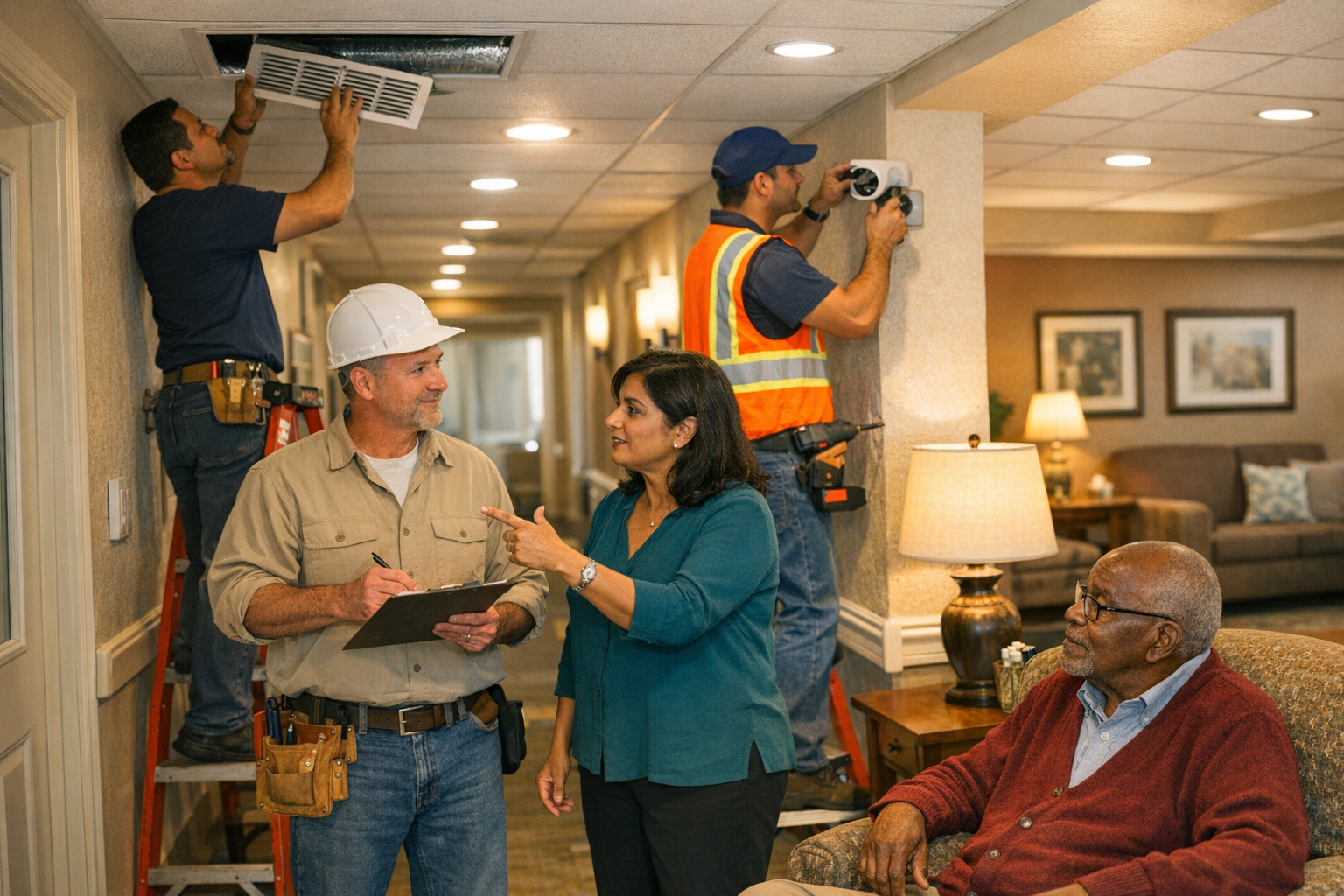
For operators in the senior living sector, the challenge of maintaining and improving physical infrastructure never really goes away. Assisted living facility upgrading infrastructure has become more critical than ever, especially as regulatory requirements continue to evolve and resident expectations rise. Whether you're looking at replacing aging HVAC systems, updating security features, or implementing modern technology, every upgrade decision carries significant financial weight.
The good news? Strategic facility improvements can deliver impressive returns beyond just keeping your building code-compliant. From extended equipment lifespans to enhanced market positioning, the right infrastructure investments might actually strengthen your bottom line over time. However, navigating compliance costs, budgeting constraints, and funding solutions requires careful planning and a clear understanding of what matters most for your facility's future.
Why Infrastructure Upgrades Matter for Your Facility

When you're thinking about assisted living facility upgrading infrastructure, it's easy to view these projects as necessary expenses rather than strategic investments. However, that perspective might be costing you opportunities for growth and efficiency.
- Extended Equipment Lifespan: Modern infrastructure upgrades often lead to longer-lasting systems that require less frequent replacement. This could mean fewer emergency repairs and more predictable maintenance budgets over time.
- Enhanced Resident Satisfaction: Up-to-date amenities and well-maintained facilities tend to create better living experiences. Residents and their families typically notice the difference, which may influence retention and referrals.
- Improved Market Positioning: Facilities with modern infrastructure might attract more prospective residents seeking contemporary living environments. This competitive advantage can be particularly valuable in markets with multiple senior living options.
- Long-Term Cost Savings: While the upfront investment may seem substantial, infrastructure upgrades often reduce ongoing operational costs through improved energy efficiency and reduced maintenance needs.
The financial and strategic benefits of investing in facility improvements go beyond simple maintenance. Facility leaders who view infrastructure upgrades as part of their broader business strategy often find themselves better positioned to adapt to changing market conditions and regulatory requirements.
Understanding Rising Compliance Costs
One of the biggest concerns for facility operators centers on the increasing financial burden of meeting regulatory standards. Understanding rising compliance costs helps you plan more effectively for the future.
- Licensure Changes: Upcoming modifications to licensing requirements are likely to increase operational expenses for many assisted living facilities. These changes may affect everything from staffing ratios to physical plant requirements.
- Regular Policy Reviews: Staying current with the latest regulatory changes requires ongoing attention and resources. Facilities that regularly review and update their compliance policies might avoid costly fines and operational disruptions.
- Budgeting Impact: Compliance costs can significantly affect your facility's profitability if not properly anticipated. Incorporating these expenses into your long-term financial planning is essential for maintaining financial stability.
- Technology Requirements: Many new regulations involve technology standards for record-keeping, resident monitoring, and security systems. Meeting these requirements often necessitates infrastructure investments beyond basic maintenance.
Being aware of these compliance considerations allows you to adjust your financial plans accordingly. Rather than viewing compliance as purely reactive, forward-thinking facility operators often integrate regulatory requirements into their broader infrastructure upgrade strategies, potentially reducing overall costs through managing compliance costs.
Smart Technology Solutions for Future-Proofing
When considering assisted living facility upgrading infrastructure, technology investments deserve special attention. Smart technology solutions can help your facility stay ahead of both compliance requirements and resident expectations.
- Regulatory Adaptability: Modern smart systems typically offer greater flexibility to adapt to evolving regulations. This adaptability might reduce the need for frequent system replacements as requirements change.
- Enhanced Resident Experience: Technology upgrades often improve safety monitoring, communication systems, and environmental controls. These improvements can contribute to better resident satisfaction and peace of mind for families.
- Operational Efficiency: Automated systems may reduce staff workload for routine tasks, allowing your team to focus more on direct resident care. This efficiency could translate into cost savings over time.
- Competitive Advantage: Facilities with modern technology infrastructure might appeal to a broader range of prospective residents, particularly as younger generations of seniors become your primary market.
Implementing smart technology doesn't necessarily mean a complete overhaul all at once. Many facilities take a phased approach, starting with high-impact systems and gradually expanding their technology infrastructure as budget allows. This strategy helps manage costs while still moving toward a more modern, future-ready facility.
Planning Resident-Focused Renovations
A resident-first approach to renovations ensures that your infrastructure upgrades deliver real value to the people who matter most: your residents. Planning resident-focused renovations requires balancing improvement goals with practical considerations.
- Assess Current Resident Needs: Start by understanding what matters most to your current residents. Gather feedback about pain points, desired improvements, and features that would enhance their daily lives. This information helps prioritize which upgrades will deliver the greatest impact.
- Develop a Phased Timeline: Rather than attempting everything at once, create a renovation schedule that minimizes disruption to residents. Phasing allows you to manage costs more effectively while maintaining continuity of care and comfort.
- Balance Benefits and Costs: Each renovation decision should consider both the potential benefits for residents and the financial viability for your facility. Look for improvements that offer strong returns in resident satisfaction while fitting within your budget constraints.
- Communicate Transparently: Keep residents and their families informed about upcoming renovations, expected timelines, and how improvements will benefit them. This transparency helps maintain trust and may even generate excitement about positive changes.
- Measure and Adjust: After completing renovation phases, gather feedback to assess whether the improvements met expectations. Use this information to refine future upgrade plans and ensure you're investing in the right areas.
Strategic renovation planning helps ensure that your infrastructure investments translate into tangible benefits for residents while managing costs efficiently. This approach might also help attract new residents who value facilities that demonstrate ongoing commitment to improvement.
Exploring Funding Solutions for Infrastructure Projects
One of the biggest hurdles in assisted living facility upgrading infrastructure is securing the necessary capital. Fortunately, several effective funding solutions exist that might help you move forward with important improvements without straining your cash flow.
- Revenue-Based Financing: This funding option ties repayment to your facility's revenue performance, potentially offering more flexibility than traditional financing. During slower periods, payments may adjust accordingly, which can ease cash flow pressure.
- Equipment Financing: For specific infrastructure upgrades involving equipment purchases, specialized financing allows you to spread costs over time while immediately benefiting from the improved equipment.
- Working Capital Solutions: Short-term funding can help bridge gaps between planning and project completion, ensuring you can move forward with time-sensitive upgrades without depleting operating reserves.
- Strategic Budget Allocation: Some facilities choose to systematically set aside a percentage of revenue specifically for infrastructure improvements, creating an internal funding source that grows over time.
- Phased Investment Approach: By breaking large projects into smaller phases, you might be able to fund each stage from operating cash flow or smaller financing arrangements, reducing the need for large lump-sum funding.
The right funding solution depends on your facility's specific circumstances, including current cash flow, the urgency of needed upgrades, and long-term financial goals. Many operators find that a combination of approaches works best, using different funding strategies for different types of infrastructure projects.
Creating Your Infrastructure Upgrade Strategy
With all these considerations in mind, creating your infrastructure upgrade strategy becomes the practical next step. A comprehensive approach helps ensure that your investments deliver maximum value while managing costs and compliance requirements effectively.
- Conduct a Comprehensive Facility Assessment: Begin by evaluating your entire facility to identify areas requiring immediate attention versus those that can wait. This assessment should consider safety, compliance, resident satisfaction, and operational efficiency.
- Prioritize Based on Impact and Urgency: Not all upgrades carry equal weight. Focus first on improvements that address safety concerns, compliance requirements, or issues significantly affecting resident satisfaction. Lower-priority enhancements can follow in subsequent phases.
- Develop Realistic Budget Projections: Create detailed cost estimates for each planned upgrade, including not just the initial investment but also ongoing maintenance and operational impacts. Build in contingency funds for unexpected expenses that often arise during renovation projects.
- Align Upgrades with Business Goals: Your infrastructure investments should support your facility's broader strategic objectives, whether that's increasing occupancy, improving resident retention, or positioning for future growth in your market.
Remember that your strategy shouldn't be set in stone. Market conditions change, regulations evolve, and new opportunities emerge. Reviewing and adjusting your infrastructure upgrade plan regularly helps ensure it remains aligned with your facility's needs and capabilities.
Assisted living facility upgrading infrastructure represents both a challenge and an opportunity for operators committed to providing quality care while maintaining financial health. The key lies in approaching these investments strategically, balancing immediate needs with long-term benefits, and understanding how facility improvements can enhance both resident satisfaction and your facility's competitive position.
By staying informed about compliance costs, exploring smart technology solutions, planning with residents in mind, and utilizing appropriate funding solutions, you can navigate infrastructure upgrades more confidently. The facilities that tend to thrive are often those that view infrastructure investments not as burdensome expenses but as integral components of their overall business strategy.
Whether you're facing urgent equipment replacements or planning comprehensive facility modernization, taking a measured, strategic approach typically yields better results than reactive decision-making. With careful planning, appropriate funding, and a clear focus on what matters most for your facility and residents, your infrastructure upgrades can position you for sustained success in an increasingly competitive senior living landscape.