
.png)
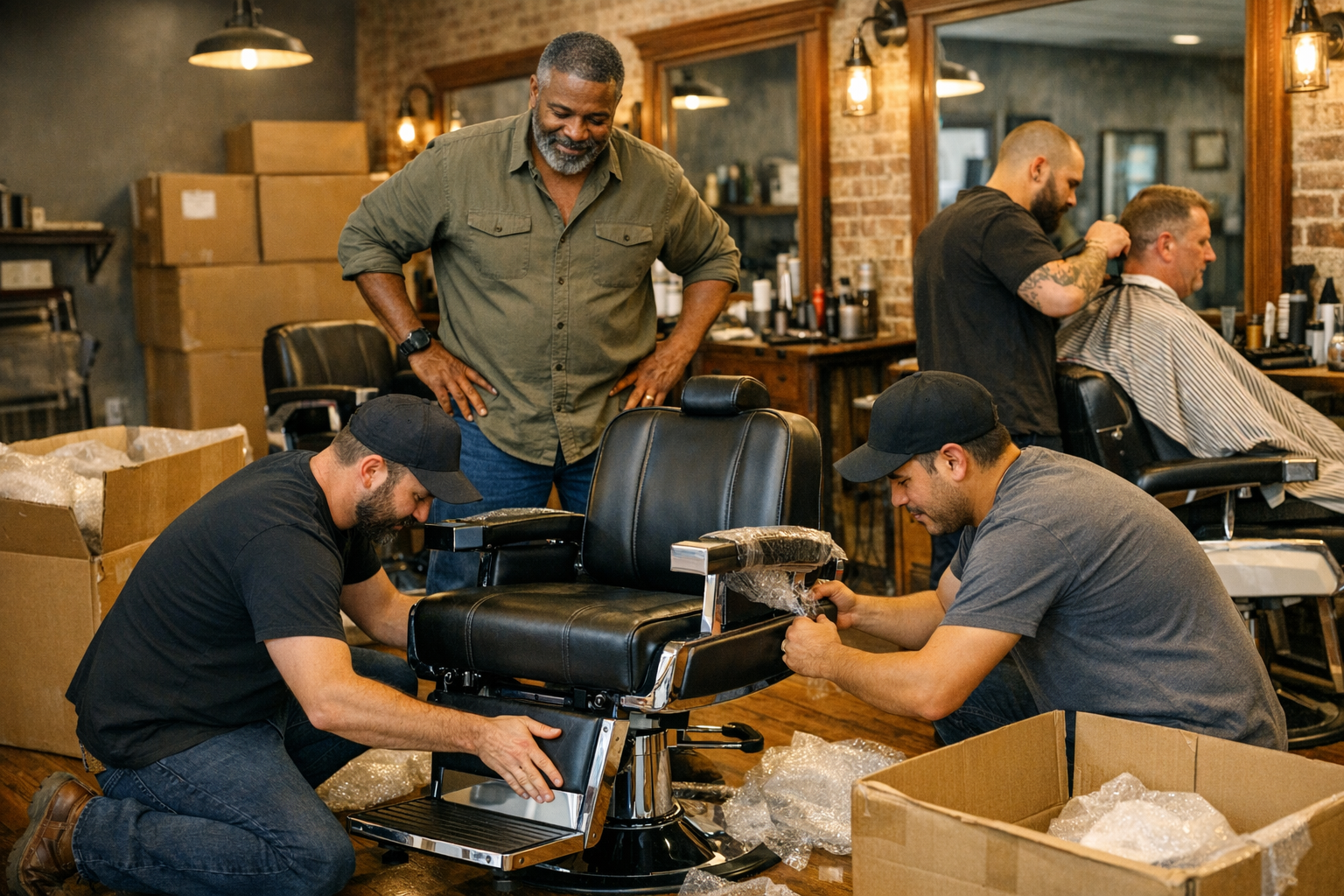
Growing your barbershop means more than just adding chairs. It's about creating opportunities to serve more clients, hire talented barbers, and ultimately increase your bottom line. When you're ready to expand, barber shop funding for chair expansion becomes a critical tool that can transform your vision into reality. Whether you're adding two chairs or completely redesigning your floor plan, the right financing approach can make the difference between smooth growth and financial strain.
In 2026, the barbering industry continues to show strong potential for profitability. However, expansion requires careful planning around customer volume, staffing growth, space utilization, and revenue increase. This guide walks you through practical strategies to fund your chair expansion while keeping your business financially healthy and positioned for long-term success.
Understanding Barber Shop Funding for Chair Expansion
When considering barber shop funding for chair expansion, it's important to recognize what types of costs you'll need to cover. Expansion isn't just about purchasing new chairs, though that's certainly part of the equation. You might also need to invest in buildout work, additional tools and equipment, updated licensing requirements, and even early cash flow support while your new capacity ramps up.
- Equipment and furniture costs: New barber chairs, mirrors, styling stations, and storage units typically represent the most visible expenses in any expansion project.
- Space renovation expenses: If you're expanding into adjacent space or reconfiguring your existing layout, buildout costs for plumbing, electrical work, flooring, and walls can add up quickly.
- Inventory and supplies: More chairs mean more clients, which translates to higher consumption of products, towels, capes, and other consumables that need upfront investment.
- Licensing and compliance: Depending on your location, expanding your shop may trigger additional permits, inspections, or licensing fees that must be factored into your funding needs.
Funding options specifically designed for barbershop startups and expansions have become more accessible. These financing solutions recognize the unique cash flow patterns of service businesses and can be structured around your revenue cycles rather than rigid monthly payments that don't account for seasonal variations.
Maximizing Space Utilization Through Strategic Expansion
Space utilization is one of the most important metrics when planning your expansion. Simply adding chairs without optimizing your layout could actually decrease efficiency and client comfort. Strategic space utilization through barber shop funding for chair expansion means thinking about traffic flow, wait areas, and the overall client experience.
- Analyze current capacity: Before expanding, track how often your existing chairs sit empty versus fully booked. This data helps determine whether you need more chairs or better scheduling practices.
- Plan for comfortable spacing: While maximizing chairs per square foot seems attractive, cramped stations can hurt your reputation and make it harder to retain skilled barbers who value their workspace.
- Consider multi-use areas: Waiting areas, retail displays, and consultation spaces should be factored into your expansion plan to support the overall client journey, not just the cutting stations.
- Track performance indicators: Industry analysis suggests that monitoring space utilization percentages can help barbershop owners identify when expansion will genuinely boost profitability versus when operational improvements might solve capacity issues.
Optimal space utilization typically balances maximum capacity with client comfort and barber satisfaction. When you secure funding for expansion, you're not just buying chairs, you're investing in an environment that supports higher customer volume without sacrificing the quality experience that keeps clients returning.
Supporting Staffing Growth With Your Expansion
Adding chairs without the right talent to fill them is like buying a sports car without learning to drive. Staffing growth must be part of your expansion strategy from day one. The good news is that when planned thoughtfully, chair expansion can actually help you attract and retain top barbers who might otherwise look elsewhere for opportunities.
- Hire strategically: Rather than rushing to fill every new chair immediately, consider a phased approach that allows you to find barbers who fit your shop culture and quality standards.
- Invest in training systems: Data-driven approaches to staffing include establishing clear performance metrics, ongoing education opportunities, and mentorship programs that help new hires reach productivity faster.
- Calculate labor costs carefully: Industry benchmarks suggest tracking labor cost percentages closely during expansion to ensure that adding staff doesn't erode your profit margins before new revenue streams stabilize.
- Retain your best talent: Expansion creates natural promotion opportunities, such as senior barber roles, trainer positions, or shift leader responsibilities that can increase job satisfaction and reduce turnover.
Smart barbershop owners use expansion as a recruitment tool. When talented barbers see you're growing and investing in the business, they're more likely to join your team and less likely to leave for competitors. This approach to staffing growth can create a virtuous cycle where better barbers attract more clients, which justifies further expansion.
Driving Customer Volume Through Added Capacity
One of the primary reasons to pursue barber shop funding for chair expansion is to accommodate increased customer volume. If you're consistently turning away clients or booking appointments weeks in advance, you're leaving money on the table. However, simply adding capacity doesn't automatically translate to more customers walking through the door.
- Address existing demand first: The best expansion scenarios occur when you already have more customer demand than you can handle, reducing the risk that new chairs will sit empty.
- Extend operating hours: Additional chairs may allow you to stay open longer or add shifts, capturing clients who couldn't visit during your previous limited hours.
- Diversify service offerings: With more capacity, you might introduce services like beard sculpting, hot towel treatments, or grooming packages that attract different customer segments.
- Improve appointment availability: More chairs mean more appointment slots, which can significantly improve customer satisfaction by reducing wait times and making your shop more convenient.
Customer volume growth should be monitored closely after expansion. Tracking metrics like daily client count, average wait times, and appointment fill rates helps you understand whether your investment is generating the expected return. Remember that it may take several months for word to spread about your increased capacity, so patience and consistent marketing are important during the transition period.
Steps to Secure Funding and Launch Your Expansion
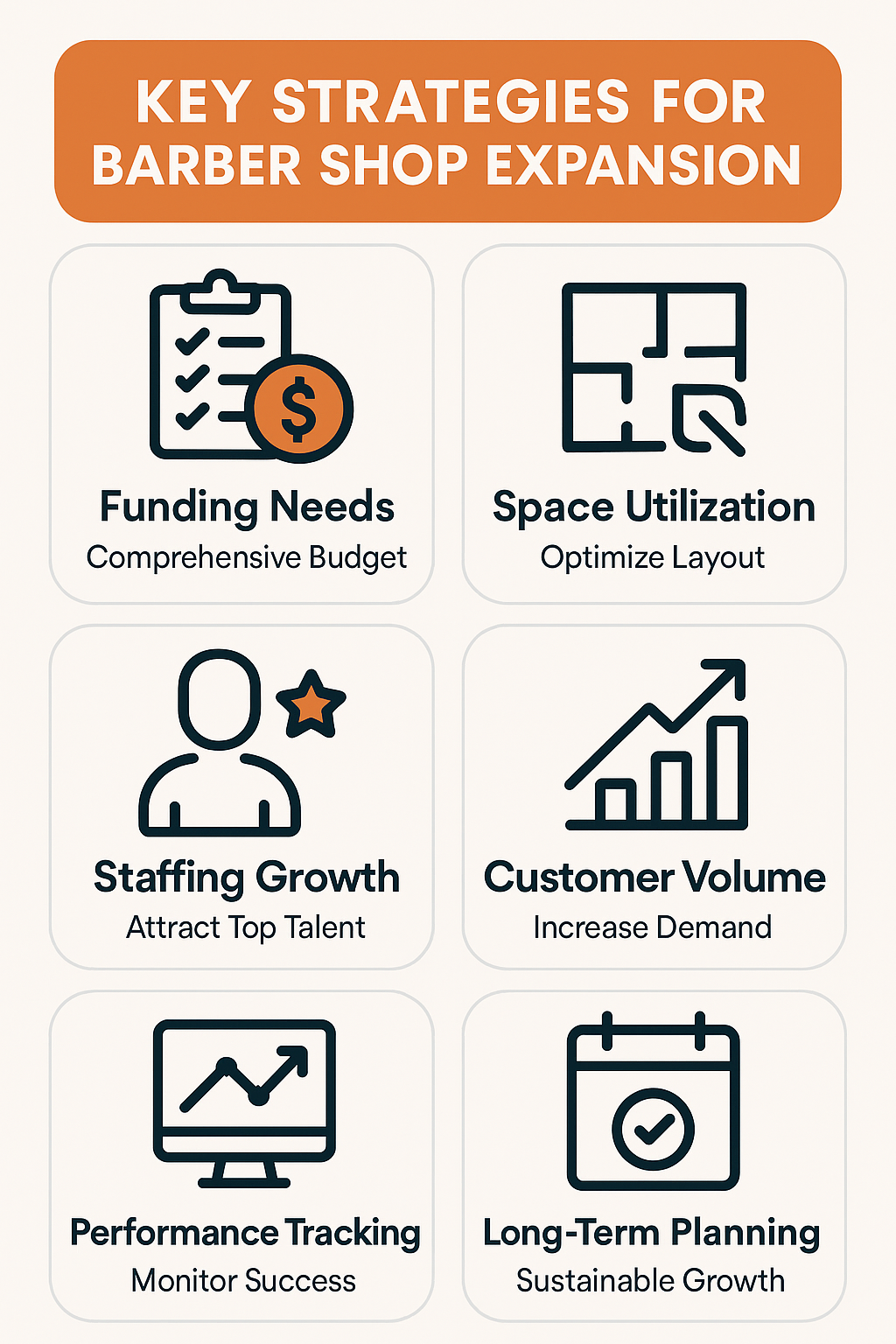
Now that you understand the strategic considerations, let's walk through the practical steps to secure barber shop funding for chair expansion and execute your growth plan successfully.
- Calculate your total funding need: Create a detailed budget that includes not just chair purchases but also buildout costs, inventory, licensing, initial marketing to announce your expansion, and a cash flow cushion for the first few months.
- Organize your financial documentation: Lenders typically want to see your business revenue history, tax returns, current profit and loss statements, and projections showing how expansion will increase revenue.
- Research appropriate financing options: Startup financing designed for barbershops may offer terms that align better with your business model compared to generic small business funding, particularly regarding payment schedules and approval criteria.
- Compare costs and terms carefully: Look beyond just the funding amount to understand the total cost of financing, repayment schedules, and any restrictions on how funds can be used.
- Create a detailed expansion timeline: Plan the sequence of buildout, equipment installation, staff hiring, and grand reopening to minimize revenue disruption during the transition.
Many barbershop owners find that working with lenders who understand service-based businesses makes the process smoother. These specialized providers recognize that your revenue might fluctuate seasonally and that your business model differs significantly from retail or manufacturing operations.
Tracking Performance Indicators After Expansion
Once you've secured barber shop funding for chair expansion and completed your buildout, the real work begins. Tracking key performance indicators helps you understand whether your investment is paying off and where you might need to adjust your approach.
- Monitor revenue increase trends: Compare your monthly revenue before and after expansion, accounting for seasonal variations and the time needed for new capacity to reach full utilization.
- Calculate chair utilization rates: Track what percentage of available appointment slots are actually filled for each chair, identifying which stations are most productive and which may need attention.
- Assess labor cost percentages: Industry guidance suggests keeping close tabs on labor costs relative to revenue, particularly during the ramp-up period when new hires may not yet be fully productive.
- Measure average client wait times: One benefit of expansion should be reduced wait times and improved scheduling flexibility, both of which contribute to customer satisfaction and retention.
- Track customer retention rates: Ensure that rapid growth doesn't compromise service quality by monitoring whether existing clients continue visiting at the same frequency.
- Review profit margins regularly: The ultimate measure of successful expansion is whether it improves your bottom line, not just your top-line revenue.
Data-driven decision making separates successful expansions from those that struggle. By establishing these tracking systems before you expand, you'll have baseline metrics to compare against, making it easier to identify what's working and what needs adjustment.
Planning for Long-Term Growth and Sustainability
Your first chair expansion is rarely your last if it's successful. The best barbershop owners view expansion as an ongoing process rather than a one-time event. By building systems that support scalable growth, you position your business for continued success regardless of how the market evolves. This means thinking beyond just the immediate project to consider how today's decisions affect your options five or ten years down the road. Economic principles suggest that aligning your service capacity with genuine market demand, while maintaining cost discipline, creates the foundation for sustainable profitability. As you grow, continue to evaluate whether additional expansion makes sense or whether optimizing your current operations should take priority.
Barber shop funding for chair expansion represents more than a financial transaction. It's a strategic investment in your business's future that can unlock higher customer volume, support staffing growth, optimize space utilization, and drive meaningful revenue increase. The key to success lies in approaching expansion thoughtfully, with clear metrics, realistic projections, and a commitment to maintaining the quality that built your reputation in the first place.
Whether you're adding your first additional chair or planning a significant buildout, the strategies outlined here can help you make informed decisions that support sustainable growth. Remember that expansion should solve real capacity constraints rather than simply reflecting optimism. When executed well, adding chairs can transform your barbershop from a good local business into a thriving enterprise that serves your community while providing financial security for you and your team.
If you're ready to explore funding options for your expansion, take time to assess your current performance metrics, calculate your true funding needs, and research financing solutions designed for service businesses like yours. With the right preparation and strategic thinking, your chair expansion can become a pivotal moment in your barbershop's success story.