.png)
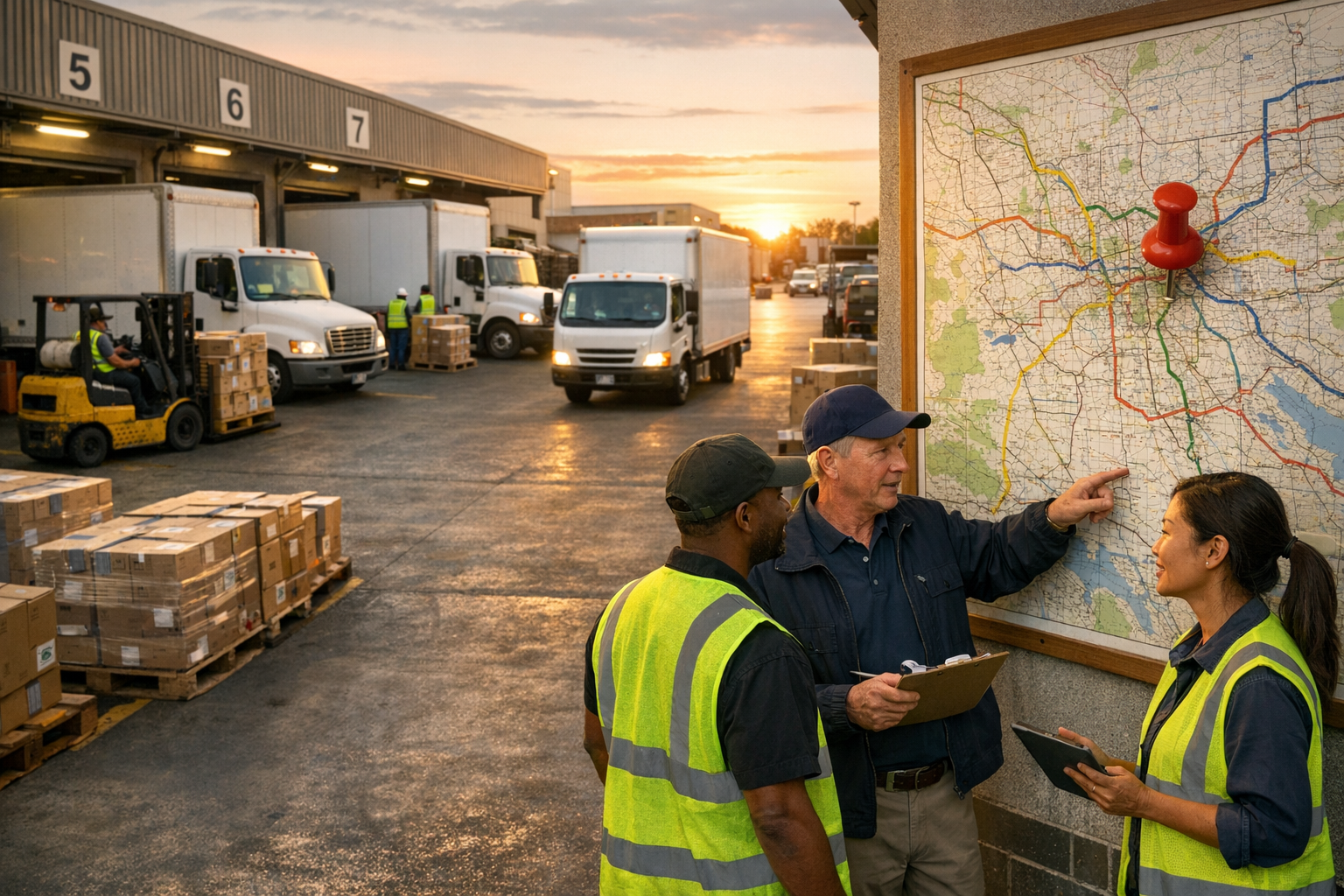
Scaling logistics operations successfully requires more than just adding more vehicles to your fleet. As your company grows, the complexity of route management, staff coordination, and resource allocation increases exponentially. The best 10 practices for logistics companies scaling routes combine strategic fleet planning with cutting-edge technology to create sustainable growth.
Modern logistics companies face mounting pressure to deliver faster while keeping costs under control. The right approach to route scaling can mean the difference between profitable expansion and operational chaos. From fuel efficiency optimization to advanced tech tools, these practices will help you build a scalable logistics operation that grows with your business.
Strategic Fleet Planning for Sustainable Growth
Strategic fleet planning forms the foundation for successfully scaling logistics routes. This approach involves making informed decisions about vehicle acquisition, lifecycle management, and resource allocation that align with your company's growth trajectory.
- Vehicle Lifecycle Management: Plan for optimal vehicle replacement cycles to maintain efficiency while controlling costs throughout your fleet expansion
- Smart Budgeting: Implement cost-effective strategies that maximize vehicle utilization and prevent overspending on unnecessary fleet additions
- Capacity Forecasting: Use data analytics to predict future route demands and scale your fleet accordingly, avoiding both over-investment and capacity shortages
- Resource Optimization: Focus on maximizing the value of existing assets before expanding, ensuring each vehicle contributes meaningfully to operational efficiency
Advanced Route Optimization Software Implementation
Choosing the right route optimization software becomes crucial as logistics companies scale their operations. These tech tools offer real-time data processing and algorithm-driven route planning that can significantly improve operational efficiency.
- Real-time Data Processing: Utilize software that processes live traffic, weather, and delivery data to make dynamic route adjustments throughout the day
- Algorithm-driven Planning: Implement systems that use advanced algorithms to calculate the most efficient routes based on multiple variables and constraints
- Cost Reduction Features: Select tools that specifically target fuel efficiency improvements and operational cost decreases through optimized routing
- Scalability Options: Choose platforms that can grow with your business, handling increased route complexity without performance degradation
Fuel Efficiency Optimization Strategies

Fuel efficiency optimization strategies become increasingly important as route networks expand. These practices help maintain profitability while scaling operations, ensuring that growth doesn't come at the expense of operational margins.
- Route Density Maximization: Plan routes that maximize deliveries per mile traveled, reducing overall fuel consumption across your expanding network
- Vehicle Load Optimization: Implement strategies to ensure vehicles operate at optimal capacity, minimizing the number of trips required for the same delivery volume
- Driver Training Programs: Develop training initiatives focused on fuel-efficient driving techniques that become more impactful as your fleet grows
- Maintenance Scheduling: Establish preventive maintenance programs that keep vehicles operating at peak fuel efficiency throughout their service life
Staff Coordination and Communication Systems
Effective staff coordination becomes more challenging as logistics operations scale, making robust communication systems essential for maintaining operational efficiency across expanded route networks.
- Centralized Dispatch Systems: Implement unified communication platforms that allow coordinated management of multiple routes and driver assignments
- Real-time Updates: Establish systems for instant communication between drivers, dispatchers, and customers to handle route changes and delivery updates
- Performance Tracking: Deploy tools that monitor driver performance and route efficiency, providing data for continuous improvement initiatives
- Training Standardization: Create consistent training protocols that ensure all staff members understand scaled operations and their role in route optimization
Technology Integration Best Practices
Technology integration best practices help logistics companies leverage cutting-edge tools for innovative and sustainable growth. Here's how to systematically implement technology solutions for route scaling:
- AI and Machine Learning Implementation: Deploy artificial intelligence systems that learn from historical data to predict optimal routes and identify improvement opportunities
- Digital Twin Technology: Create virtual replicas of your logistics network to test scaling scenarios and optimize operations before implementing changes
- Smart Procurement Systems: Use technology-driven procurement to optimize supply chain decisions and reduce overall operational costs
- Integration Planning: Develop systematic approaches to integrate new technologies with existing systems, ensuring seamless operations during scaling phases
Last Mile Delivery Optimization
Last mile delivery optimization often represents the most expensive and challenging part of scaling logistics operations. These numbered strategies focus on enhancing efficiency while maintaining cost-effectiveness:
- Advanced Route Software: Implement specialized last-mile optimization software that accounts for delivery windows, customer preferences, and urban constraints
- Dynamic Route Adjustment: Use real-time data to modify last-mile routes based on traffic conditions, delivery failures, and customer availability
- Customer Communication: Establish systems that keep customers informed about delivery timing, reducing failed deliveries and improving satisfaction
- Performance Metrics: Track last-mile specific metrics like cost per delivery and customer satisfaction scores to identify scaling opportunities
Successfully scaling logistics routes requires a comprehensive approach that combines strategic planning with advanced technology implementation. The best 10 practices for logistics companies scaling routes focus on sustainable growth through smart fleet planning, technology adoption, and operational efficiency improvements.
As your logistics company grows, these practices provide a framework for managing increased complexity while maintaining profitability. From route optimization software to fuel efficiency strategies, each practice contributes to building a scalable operation that can adapt to changing market demands.
Remember that scaling routes isn't just about handling more deliveries, it's about creating systems that grow efficiently with your business. By implementing these practices systematically, you'll build a logistics operation that supports long-term success while meeting the evolving needs of your customers.