
.png)
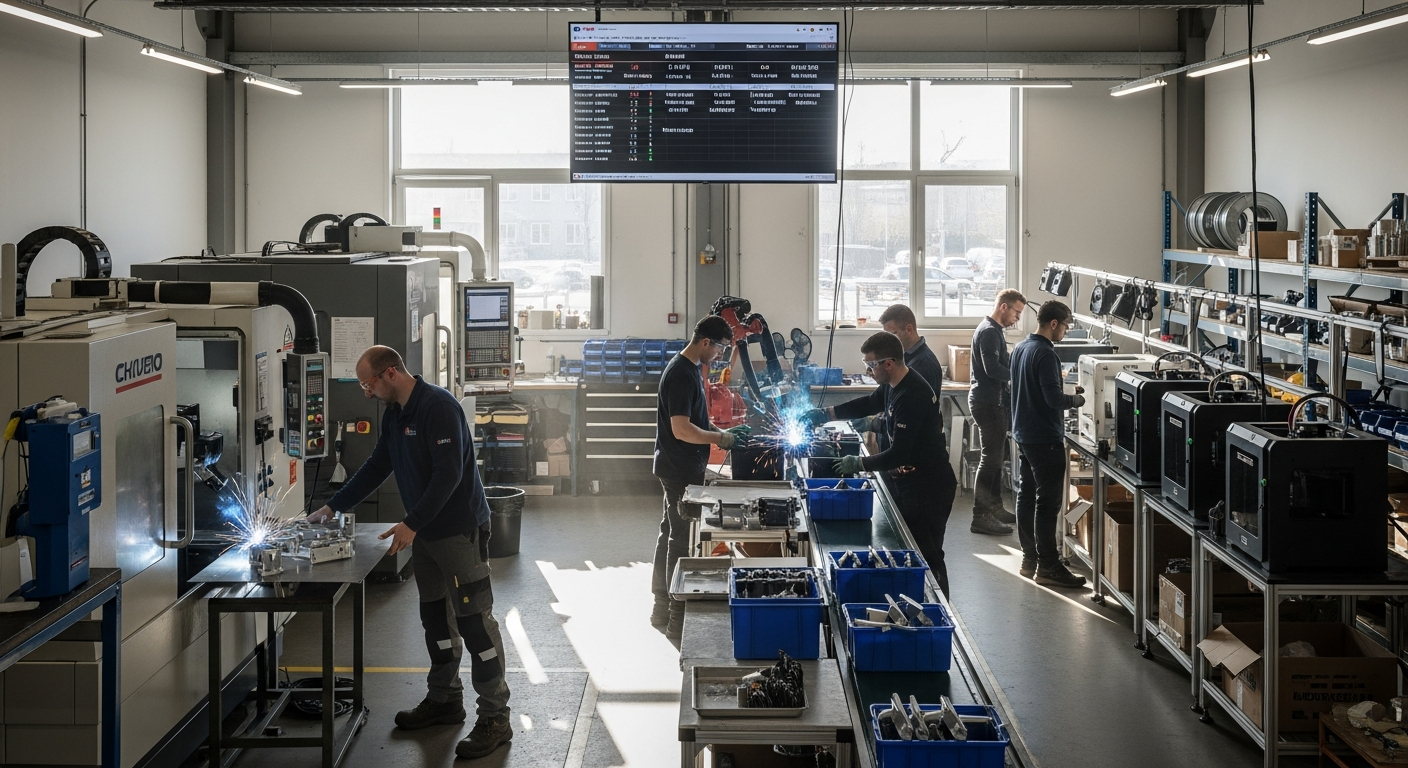
Working capital serves as the financial lifeline for small manufacturers, providing the flexibility needed to navigate production cycles, manage inventory, and seize growth opportunities. Understanding the best 10 ways small manufacturers use working capital can transform how businesses approach their financial strategy and operational planning.
For manufacturing companies, working capital isn't just about covering expenses. It's about creating strategic advantages that drive competitiveness and long-term sustainability. From purchasing raw materials to investing in automation, the smart deployment of working capital can determine whether a manufacturer thrives or merely survives in today's dynamic marketplace.
Essential Raw Materials and Inventory Management

Raw materials management represents one of the most critical applications of working capital for small manufacturers. Effective inventory strategies can significantly impact cash flow and operational efficiency.
- Bulk purchasing strategies: Manufacturers often use working capital to purchase raw materials in larger quantities, securing better pricing and ensuring consistent supply chains during peak production periods.
- Seasonal inventory preparation: Working capital enables manufacturers to build inventory ahead of seasonal demand spikes, avoiding stockouts and maintaining customer satisfaction.
- Quality material sourcing: Access to working capital allows manufacturers to invest in higher-quality raw materials that may improve product durability and reduce waste in production processes.
- Supply chain diversification: Manufacturers can use working capital to establish relationships with multiple suppliers, reducing dependency risks and potentially negotiating better terms through competitive sourcing.
Strategic Equipment and Automation Investments
Automation and equipment upgrades typically require significant capital investment, making working capital a crucial resource for manufacturers seeking to modernize their operations and improve productivity.
- Production line efficiency: Working capital may fund automation systems that streamline manufacturing processes, reduce labor costs, and improve product consistency across production runs.
- Maintenance and upgrades: Regular equipment maintenance and strategic upgrades help manufacturers avoid costly breakdowns and maintain competitive production capabilities.
- Technology integration: Manufacturers often use working capital to implement new technologies that enhance quality control, reduce waste, and improve overall operational efficiency.
- Capacity expansion: Strategic equipment purchases can help small manufacturers increase production capacity to meet growing demand without compromising quality standards.
Workforce Development and Staffing Solutions
Effective staffing strategies represent another key area where small manufacturers deploy working capital to build competitive advantages and maintain operational flexibility.
- Skilled labor acquisition: Working capital enables manufacturers to attract and retain skilled workers through competitive compensation packages, particularly during periods of high demand for specialized manufacturing talent.
- Training and development: Investment in employee training programs can improve productivity, reduce errors, and help workers adapt to new technologies and processes more effectively.
- Flexible staffing solutions: Manufacturers may use working capital to hire temporary workers during peak production periods or to cover for employee absences without disrupting production schedules.
- Safety and compliance: Working capital supports safety training initiatives and compliance measures that protect workers and help manufacturers avoid costly regulatory violations.
Production Timing and Market Opportunities
Strategic timing in production and market entry often requires flexible access to working capital, allowing manufacturers to capitalize on opportunities and navigate market fluctuations effectively.
- Market demand responsiveness: Working capital provides the flexibility to increase production quickly when market demand spikes, helping manufacturers capture additional revenue opportunities.
- Seasonal production planning: Manufacturers can use working capital to adjust production schedules based on seasonal patterns, optimizing resource allocation and minimizing inventory carrying costs.
- New product development: Working capital supports prototype development and initial production runs for new products, allowing manufacturers to test market viability before major investments.
- Customer order fulfillment: Adequate working capital ensures manufacturers can fulfill large orders promptly, maintaining customer relationships and supporting business growth initiatives.
Key Implementation Steps for Working Capital Success
Implementing effective working capital strategies requires careful planning and systematic execution to maximize working capital benefits and minimize risks for small manufacturers.
- Assess current financial position: Conduct a thorough analysis of existing cash flow patterns, identifying areas where working capital deployment could generate the highest returns on investment.
- Prioritize strategic investments: Develop a clear hierarchy of working capital uses based on potential impact on operational efficiency, customer satisfaction, and long-term growth objectives.
- Monitor performance metrics: Establish key performance indicators to track the effectiveness of working capital deployment, including inventory turnover, production efficiency, and cash conversion cycles.
- Maintain financial flexibility: Reserve portion of working capital for unexpected opportunities or challenges, ensuring the business can respond quickly to changing market conditions.
- Regular strategy review: Periodically evaluate working capital strategies to ensure they remain aligned with business objectives and market realities, making adjustments as needed for continued success.
The best 10 ways small manufacturers use working capital demonstrate the critical importance of strategic financial planning in manufacturing success. From managing raw materials and investing in automation to optimizing staffing and capitalizing on market timing, working capital serves as the foundation for operational flexibility and competitive advantage.
Manufacturers who understand these strategies and implement them systematically tend to build more resilient businesses capable of adapting to market changes and pursuing growth opportunities. The key lies in balancing immediate operational needs with long-term strategic objectives, ensuring working capital deployment supports both current efficiency and future competitiveness.
For small manufacturers seeking to optimize their financial resources, focusing on these proven working capital strategies can provide a roadmap to enhanced operational performance and sustainable business growth.