.png)

Managing finances effectively can make or break a small business. With countless options available, finding the best 5 tools to manage small business finances might seem overwhelming. The right financial tools can streamline your bookkeeping, improve cash flow visibility, and automate tedious tasks that consume valuable time. From comprehensive accounting platforms to specialized budget planners, today's financial management solutions offer features that were once available only to large corporations. Let's explore the top tools that can transform your financial operations and help your business thrive.
Comprehensive Accounting Software Solutions
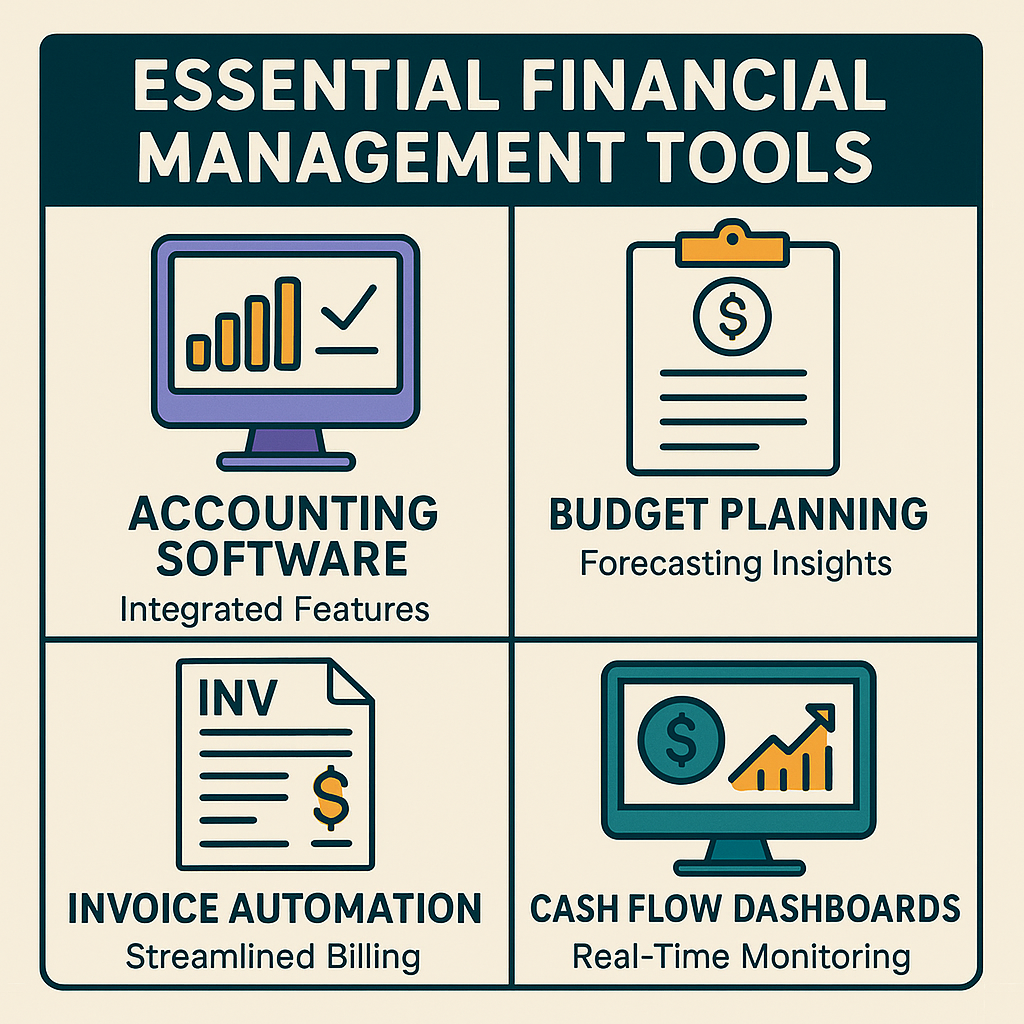
Comprehensive accounting software solutions form the backbone of effective financial management for small businesses. These platforms offer integrated features that handle everything from income tracking to expense management.
- All-in-one financial tracking: Modern accounting software allows business owners to monitor income and expenses from a single dashboard, eliminating the need for multiple spreadsheets or manual record-keeping systems.
- Automated transaction categorization: Advanced bookkeeping software can automatically sort transactions into appropriate categories, reducing manual data entry and minimizing human error in financial records.
- Real-time financial reporting: These tools generate instant reports that provide clear insights into your business's financial health, helping you make informed decisions quickly.
- Tax preparation integration: Many comprehensive solutions include tax features that organize your financial data throughout the year, making tax season less stressful and more accurate.
Budget Planning and Forecasting Tools
Budget planning and forecasting tools help small businesses anticipate future financial needs and plan accordingly. These budget planners provide essential insights that guide strategic decision-making.
- Cash flow projections: Advanced budget planners can forecast future cash flow based on historical data and current trends, helping businesses prepare for seasonal fluctuations or growth periods.
- Expense tracking and limits: These tools allow you to set spending limits for different categories and receive alerts when you're approaching budget thresholds.
- Scenario planning capabilities: Many budget planners offer what-if analysis features that help you understand how different decisions might impact your financial position.
- Goal setting and monitoring: You can establish financial targets and track progress toward achieving them, keeping your business focused on key objectives.
Invoice Automation and Payment Processing
Invoice automation and payment processing tools streamline the often time-consuming task of billing customers and collecting payments. These systems can significantly improve cash flow and reduce administrative burden.
- Automated invoice generation: Invoice automation creates and sends invoices based on predefined schedules or triggers, ensuring consistent billing without manual intervention.
- Multiple payment options: Modern invoicing tools accept various payment methods, from credit cards to digital wallets, making it easier for customers to pay quickly.
- Payment reminder systems: Automated follow-up emails and reminders help reduce late payments and improve collection rates without requiring personal intervention.
- Integration with accounting systems: These tools typically sync seamlessly with your main bookkeeping software, ensuring all financial data remains accurate and up-to-date across platforms.
Cash Flow Monitoring and Dashboard Solutions
Cash flow monitoring and dashboard solutions provide real-time visibility into your business's financial pulse. These cash flow dashboards offer immediate insights that help prevent cash shortages and optimize financial timing.
- Real-time balance tracking: Cash flow dashboards display current account balances and pending transactions, giving you an accurate picture of available funds at any moment.
- Visual financial summaries: Interactive charts and graphs make it easy to understand financial trends and identify patterns that might require attention.
- Alert systems for low balances: Automated notifications warn you when account balances drop below predetermined thresholds, helping prevent overdrafts or cash flow crises.
- Multi-account consolidation: These dashboards can aggregate information from multiple bank accounts and payment processors, providing a unified view of your entire financial picture.
Implementation Steps for Financial Management Success
Implementation steps for financial management success ensure you get maximum value from your chosen tools. Following a structured approach can help you integrate these systems effectively into your business operations.
- Assess your current financial processes: Review your existing bookkeeping methods, identify pain points, and determine which areas need the most improvement before selecting specific tools.
- Choose tools that integrate well together: Select financial management tools that can share data seamlessly, reducing duplicate data entry and ensuring consistency across all platforms.
- Start with core accounting functions: Begin by implementing your main bookkeeping software and ensure it's working properly before adding specialized tools like invoice automation or advanced budget planners.
- Train your team thoroughly: Invest time in proper training to ensure everyone understands how to use the new tools effectively and follows consistent procedures.
- Monitor and adjust regularly: Schedule regular reviews to assess how well your financial tools are working and make adjustments as your business needs evolve.
Choosing the right financial management tools can transform how your small business operates. The best 5 tools to manage small business finances typically include comprehensive accounting software, budget planners, invoice automation, cash flow dashboards, and expense management systems. While specific needs may vary by industry and business size, these categories cover the essential functions that most small businesses require. Remember that successful implementation depends on selecting tools that work well together and match your specific workflow. Take time to evaluate your current processes, choose integrated solutions, and invest in proper training. With the right financial tools in place, you'll gain better control over your cash flow, save time on administrative tasks, and make more informed decisions that drive business growth.