.png)
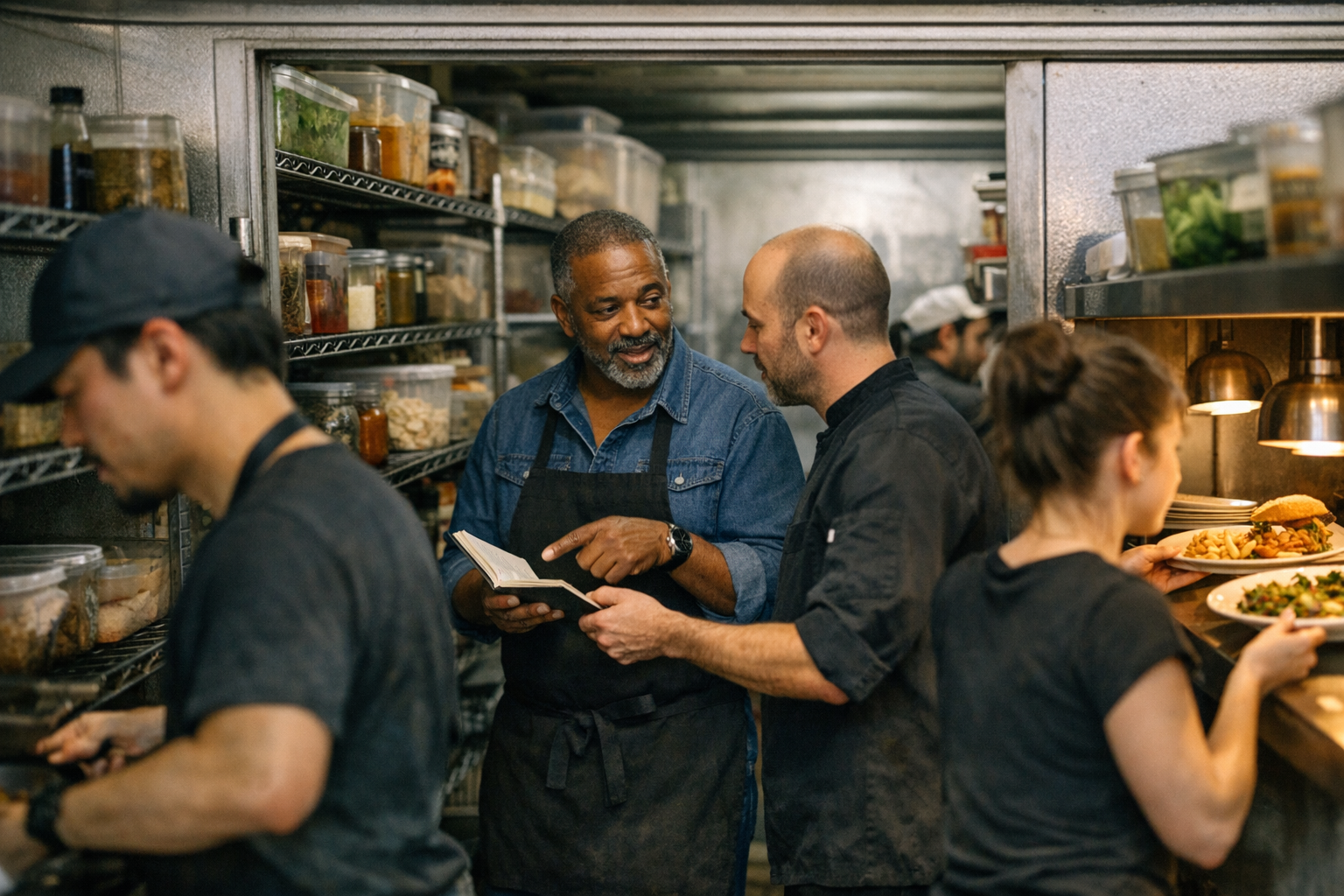
Running a successful restaurant requires more than just great food and service. Cash flow challenges often threaten restaurant viability, making it crucial for owners to adopt proven strategies that enhance liquidity and control costs. With rising food and labor costs pressuring margins, restaurant operators must focus on strategic approaches to maintain financial stability.
The best 5 ways restaurants improve cash flow involve implementing targeted strategies that address core operational areas. From smart cost control measures to strategic menu pricing adjustments, these methods can help restaurant owners navigate economic pressures while building sustainable profitability for the future.
Common Restaurant Cash Flow Questions Answered
Understanding cash flow fundamentals helps restaurant owners make better financial decisions. Here are key questions many restaurateurs face when trying to optimize their financial performance.
Q: What's the biggest factor affecting restaurant cash flow?
Rising food and labor costs combined with changing consumer behavior typically create the most significant cash flow pressures. Strategic cost control and menu engineering can help restaurants better align expenses with revenue, creating more predictable cash flows.
Q: How quickly can restaurants see cash flow improvements?
Most restaurants may notice initial improvements within 30 to 60 days when implementing strategic pricing adjustments and cost controls. However, sustainable cash flow stability often requires consistent application of multiple strategies over several months.
Strategic Cost Control Methods
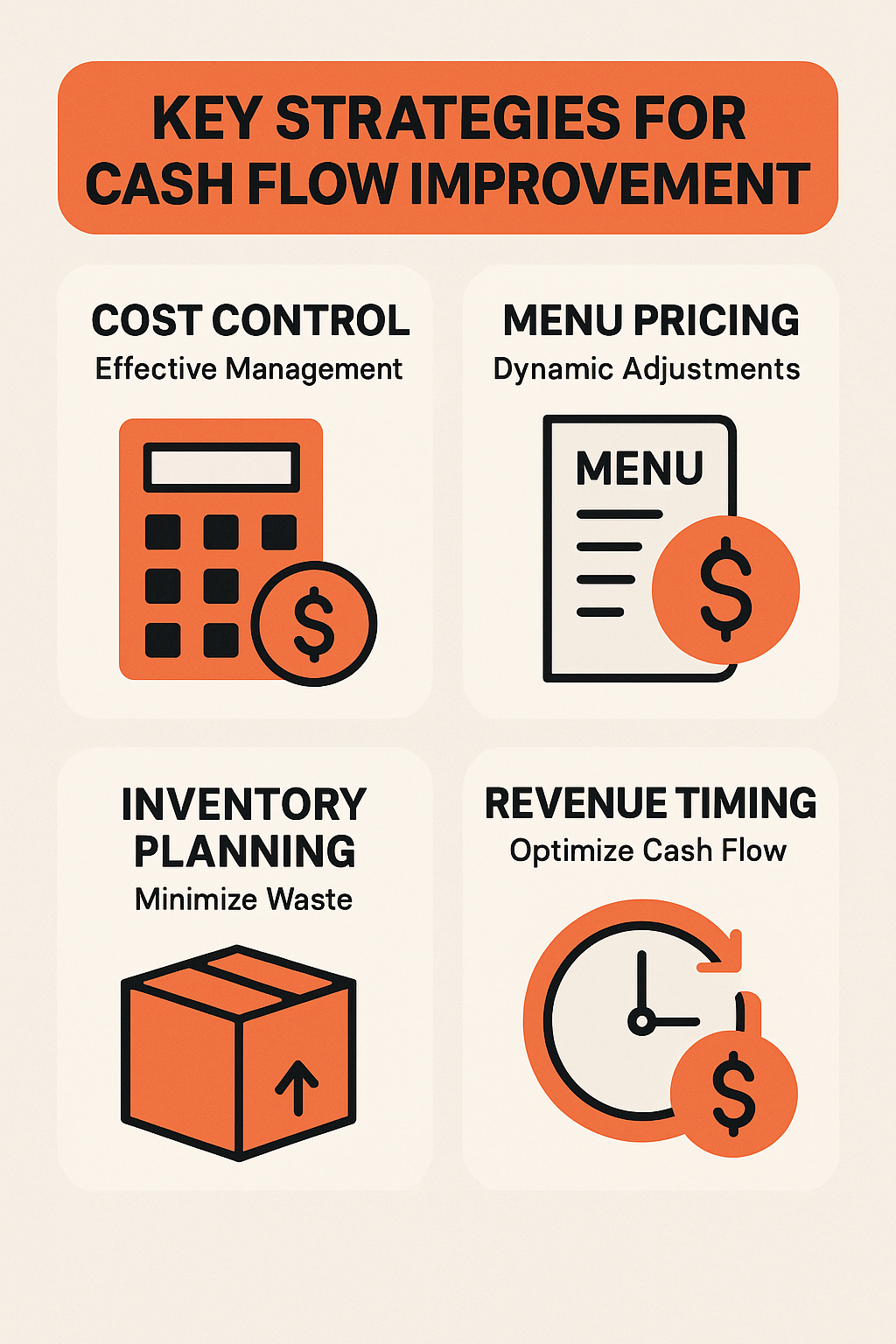
Strategic cost control methods form the foundation of improved restaurant cash flow. Effective cost management can significantly impact a restaurant's financial stability and long-term success.
- Automated Invoice Processing: Streamline payment workflows to reduce administrative costs and prevent late payment penalties that drain cash reserves.
- Data-Led Supplier Negotiations: Use purchase history and market data to negotiate better terms with suppliers, potentially reducing food costs by meaningful percentages.
- Live Inventory Control: Implement real-time inventory tracking to minimize waste and optimize purchasing decisions based on actual usage patterns.
- Labor Cost Optimization: Analyze staff scheduling patterns to align labor costs with peak service periods, avoiding unnecessary overtime expenses.
Dynamic Menu Pricing Strategies
Dynamic menu pricing strategies allow restaurants to adapt to market conditions while maintaining profitability. Strategic menu engineering can significantly improve cash flow by optimizing profit margins across different items.
- Market-Aligned Pricing: Adjust menu prices based on current food costs and local market trends to maintain consistent profit margins throughout economic fluctuations.
- High-Margin Item Promotion: Feature dishes with better profit margins more prominently on menus and through staff recommendations to boost overall profitability.
- Seasonal Price Adjustments: Modify pricing strategies during peak and slow seasons to maximize revenue opportunities and offset seasonal expense variations.
- Bundle Optimization: Create meal combinations that encourage higher average ticket sizes while maintaining attractive value propositions for customers.
Advanced Inventory Planning Techniques
Advanced inventory planning techniques help restaurants minimize waste while ensuring adequate stock levels. Effective inventory management directly impacts cash flow by reducing unnecessary expenses and optimizing purchasing cycles.
- Demand Forecasting: Use historical sales data and seasonal patterns to predict inventory needs more accurately, reducing both overstock and stockout situations.
- Supplier Relationship Management: Develop strategic partnerships with multiple suppliers to secure better payment terms and backup options during supply disruptions.
- Waste Reduction Programs: Implement systematic approaches to minimize food waste through portion control, staff training, and creative menu utilization of ingredients.
Essential Revenue Timing Optimization Steps
Essential revenue timing optimization steps help restaurants smooth out cash flow fluctuations throughout different periods. Strategic revenue forecasting and management can provide the financial cushion needed for sustained operations.
- Daily Cash Flow Monitoring: Track daily revenue patterns to identify trends and adjust operations accordingly, ensuring better cash management throughout each week.
- Payment Processing Optimization: Choose payment systems that minimize processing fees and accelerate deposit timing to improve working capital availability.
- Seasonal Revenue Planning: Develop strategies to boost revenue during traditionally slow periods through special promotions, catering services, or menu modifications.
- Customer Retention Programs: Implement loyalty programs and customer relationship strategies that encourage repeat visits and predictable revenue streams.
Financial Management Best Practices for Restaurants
Financial management best practices provide the framework for sustained cash flow improvement. These approaches help restaurant owners make informed decisions that support long-term financial stability.
- Automated Financial Reporting: Set up systems that provide real-time insights into profit margins, costs, and cash flow trends for better decision-making capabilities.
- Emergency Fund Development: Build cash reserves gradually to handle unexpected expenses, seasonal fluctuations, or economic downturns without disrupting operations.
- Regular Financial Analysis: Conduct monthly reviews of key financial metrics to identify areas for improvement and track progress toward cash flow goals.
- Professional Advisory Relationships: Work with financial advisors who understand restaurant operations to optimize tax strategies and identify funding opportunities when needed.
Implementing the best 5 ways restaurants improve cash flow requires commitment and strategic thinking, but the results can transform your restaurant's financial stability. By focusing on cost control, menu pricing optimization, inventory planning, and revenue timing strategies, restaurant owners can build more predictable and sustainable cash flows.
Remember that cash flow improvement is typically an ongoing process rather than a one-time fix. Start with the strategies that align best with your current operations, then gradually implement additional approaches as you see results. With consistent application of these proven methods, your restaurant can weather economic pressures while positioning itself for long-term success and growth.