
.png)
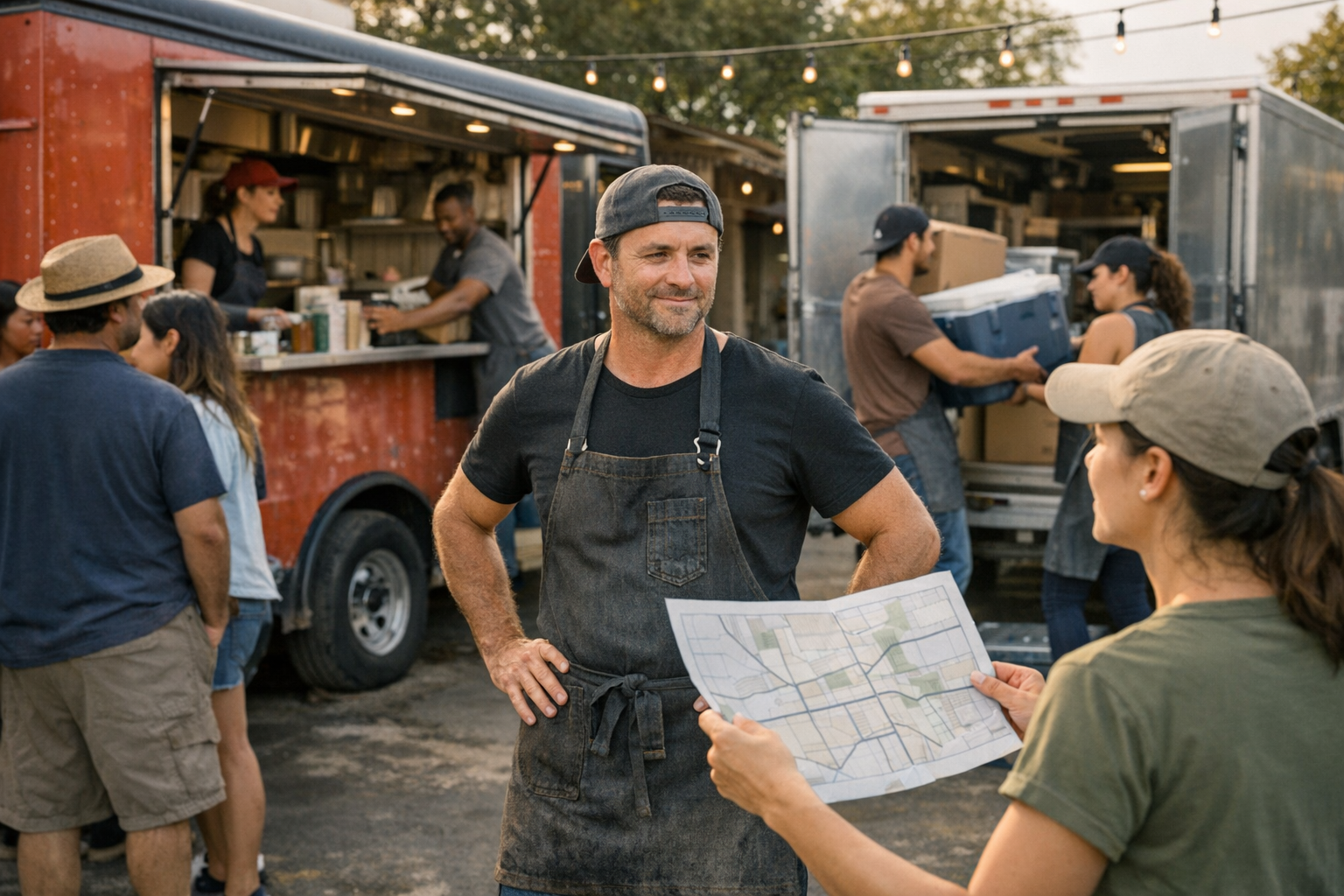
Growing a food truck business from a single vehicle into a thriving multi-unit operation is an exciting journey, but it requires careful planning and smart financial decisions. Whether you're eyeing festivals in a neighboring city or considering a permanent presence at a popular food park, your food truck expansion funding decisions will shape the trajectory of your business for years to come.
Many mobile food entrepreneurs find themselves at a crossroads when opportunity knocks. That catering contract looks promising, but can you handle the volume with your current setup? A prime spot just opened in a high-traffic area, yet you're not sure if your cash reserves can support the move. These moments define whether a business plateaus or scales successfully.
The good news is that with proper preparation and strategic thinking, you can navigate the expansion process confidently. By understanding the key factors that influence growth, from location analysis to workforce planning, you'll be better positioned to secure the financing you need and deploy it effectively. Let's explore the essential elements that make or break food truck expansion funding decisions.
Building a Comprehensive Business Plan for Expansion
Building a comprehensive business plan for expansion serves as your roadmap when approaching lenders and making strategic growth choices. Without a clear plan, even the most promising expansion can stumble due to unforeseen costs or operational challenges.
- Market analysis and competitive positioning: Research your target locations thoroughly, identifying customer demographics, competing vendors, and seasonal demand patterns that might affect your revenue streams.
- Detailed financial projections: Create realistic forecasts that account for increased operating costs, including additional permits, insurance, fuel, and maintenance for new vehicles or locations.
- Operational scalability: Document how you'll maintain food quality and service standards across multiple locations, addressing supply chain logistics and quality control measures.
- Growth timeline and milestones: Establish clear phases for your expansion, setting measurable goals that help you track progress and adjust strategies as market conditions change.
A well-crafted business plan demonstrates to potential lenders that you've thought through the risks and opportunities associated with expansion. It shows you understand not just the culinary side of your business, but also the financial discipline required to manage growth responsibly.
Evaluating New Locations and Market Opportunities
Evaluating new locations and market opportunities requires more than just gut instinct. The difference between a profitable expansion and a costly mistake often comes down to thorough location research and market validation.

- Urban density and foot traffic patterns: Cities with strong pedestrian activity, vibrant downtown areas, and established food truck cultures typically offer better revenue potential for mobile food businesses.
- Regulatory environment: Some municipalities welcome food trucks with streamlined permitting processes, while others impose restrictions that could limit your operating hours or approved locations.
- Event calendar and seasonal demand: Areas with consistent festivals, concerts, sports events, and business districts may provide steadier income streams throughout the year compared to tourist-dependent locations.
- Local economic indicators: Communities with growing populations, rising median incomes, and diverse dining preferences often support sustainable food truck operations better than economically stagnant areas.
Many successful operators test new markets before committing fully. You might start by booking a few weekend events or partnering with existing food parks to gauge customer response. This approach reduces risk while providing real-world data to support your food truck expansion funding decisions.
Understanding Capital Requirements and Funding Options
Understanding capital requirements and funding options is critical before you approach any financial institution or alternative lender. The amount and type of financing you need depends largely on your expansion goals and current financial position.
- Equipment and vehicle costs: Additional trucks, upgraded kitchen equipment, or specialized appliances represent significant upfront investments that typically require substantial capital.
- Working capital reserves: Beyond equipment, you'll need funds to cover operating expenses during the ramp-up period when new locations may not yet generate positive cash flow.
- Marketing and launch expenses: Building awareness in new territories requires investment in signage, social media promotion, and possibly introductory discounts to attract initial customers.
- Emergency buffer: Unexpected repairs, permit delays, or slower-than-projected sales can derail expansion plans unless you've built adequate financial cushioning into your funding request.
Financial institutions typically evaluate your existing business performance, credit history, and collateral when considering financing applications. Preparing comprehensive documentation, including tax records, financial statements, and profit-and-loss summaries, can improve your chances of securing the right capital. Alternative lenders may offer more flexible options, though often with different cost structures that require careful evaluation.
Strategic Planning for Staffing and Operations
Strategic planning for staffing and operations becomes increasingly complex as you move from a single-truck operation to multiple locations or larger events. Your food truck expansion funding decisions must account for the human element that makes or breaks customer experience.
- Hiring and training timelines: Recruiting reliable staff members takes time, and proper training ensures they can maintain your quality standards even when you're not physically present at every location.
- Labor cost projections: Factor in not just hourly wages but also payroll taxes, workers' compensation insurance, and potential benefits if you're growing into a larger operation.
- Management structure: As you expand, you may need shift supervisors or location managers who can make decisions independently while adhering to your operational protocols.
- Scheduling flexibility: Multiple locations or increased event bookings require sophisticated scheduling to ensure adequate coverage without excessive labor costs during slower periods.
Many operators underestimate the challenge of replicating their personal touch across multiple trucks or locations. Investing in thorough training programs and clear operational procedures can help maintain consistency. Consider allocating part of your expansion funding toward developing training materials, standardized recipes, and quality control systems that allow your business to scale without sacrificing what made it successful initially.
Financial Modeling for Faster Break-Even Points
Financial modeling for faster break-even points helps you understand when your expansion investment will start generating positive returns. This analysis is essential for realistic capital planning and setting stakeholder expectations.
- Project your revenue streams: Estimate daily sales based on location traffic, average order values, and realistic customer conversion rates. Use conservative figures initially, then model best-case and worst-case scenarios to understand your range of possible outcomes.
- Calculate fixed and variable costs: Separate expenses that remain constant regardless of sales volume (permits, insurance, base salaries) from those that fluctuate with activity (food costs, packaging, commission-based wages). This distinction helps identify where you can adjust spending if initial results disappoint.
- Determine your break-even timeline: Factor in your startup costs, ongoing monthly expenses, and projected revenues to calculate how many months of operation you'll need before reaching profitability. This timeline influences how much working capital you should secure.
- Build in margin cushions: Food costs can fluctuate due to supply chain issues, and unexpected equipment repairs happen. Building 10-15% buffers into your cost projections can prevent cash flow crises during the critical early expansion phase.
Effective financial modeling transforms vague growth ambitions into concrete action plans. It also demonstrates financial sophistication to potential lenders, showing that your food truck expansion funding decisions are grounded in data rather than optimism alone.
Preparing Documentation to Secure Financing
Preparing documentation to secure financing can feel overwhelming, but thorough preparation significantly improves your approval chances and may help you negotiate better terms.
- Gather financial statements: Compile at least two years of profit-and-loss statements, balance sheets, and cash flow reports. If you use accounting software, generate clean, professional reports that clearly show your business's financial trajectory.
- Organize tax records: Personal and business tax returns provide lenders with verified income information. Having these readily available demonstrates organizational competence and speeds the application process.
- Document your track record: Photos of your truck at events, customer testimonials, press coverage, and social media engagement metrics help tell your success story beyond just numbers.
- Create clear use-of-funds documentation: Specify exactly how you'll deploy the capital, with itemized budgets for equipment purchases, working capital needs, marketing expenses, and contingency reserves. This transparency builds lender confidence.
Many food truck operators find that working with an accountant or financial advisor during this preparation phase pays dividends. These professionals can help present your financial information in the most favorable light while ensuring accuracy and completeness. The time invested in proper documentation preparation often correlates directly with faster approval processes and more favorable financing terms.
Managing Growth Sustainably
Managing growth sustainably means resisting the temptation to expand too quickly or beyond your operational capacity. The most successful food truck expansion funding decisions balance ambition with practical limitations, ensuring that each growth phase strengthens rather than strains your business foundation. By carefully selecting locations, adequately staffing your operations, securing appropriate capital, and monitoring your financial metrics closely, you position your mobile food business for long-term success rather than short-term gains that might prove unsustainable.
Your food truck expansion funding decisions represent pivotal moments that can transform your mobile food business from a promising startup into a thriving enterprise. The difference between successful expansion and costly setbacks often lies in thorough preparation, realistic financial modeling, and strategic capital deployment.
Remember that growth doesn't have to happen all at once. Many successful operators expand incrementally, testing new markets and refining operations before committing to larger investments. This measured approach allows you to learn from each step while building the financial strength needed for sustainable scaling.
Whether you're adding your second truck, entering a new city, or ramping up to meet increased event demand, the principles remain consistent. Know your numbers, understand your market, plan for staffing needs, and secure adequate capital with clear deployment strategies. These fundamentals give you the foundation to make confident food truck expansion funding decisions that align with your long-term vision.