
.png)

How Food Trucks Stabilize Cash Flow with Revenue-Based Funding
Food truck operators face unique financial challenges that traditional businesses rarely encounter. From unpredictable weather affecting daily sales to seasonal events that create feast-or-famine revenue cycles, mobile food entrepreneurs need flexible financing solutions. Revenue-based funding has emerged as a powerful tool that helps food trucks maintain steady operations while adapting to the industry's inherent volatility. This financing approach aligns repayment with actual business performance, making it particularly well-suited for businesses with fluctuating income streams.
Understanding how food trucks stabilize cash flow with revenue-based funding can transform your mobile business from surviving to thriving. Unlike traditional financing options, this approach recognizes the seasonal nature of food truck operations and provides the flexibility needed to navigate challenging periods while capitalizing on peak opportunities.
Smart Timing Strategies for Seasonal Revenue
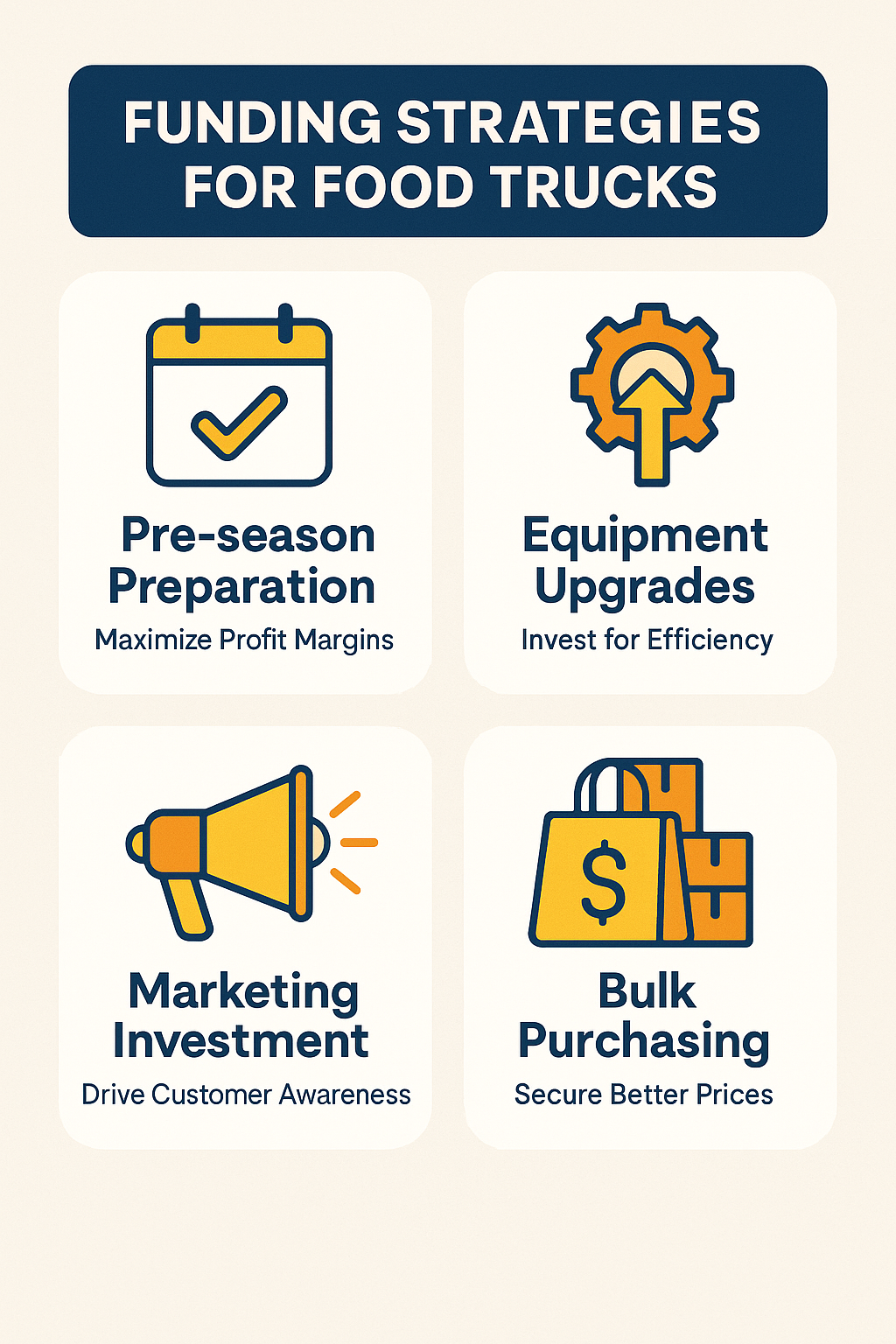
Smart timing strategies for seasonal revenue help food truck owners maximize their earning potential throughout the year. Many successful operators use revenue-based funding to prepare for high-demand periods like summer festivals, holiday markets, and local sporting events. This advance planning allows them to stock inventory adequately and cover operational expenses during slower months.
- Pre-season preparation: Access funds before peak seasons to purchase inventory in bulk and secure premium event locations. This strategy often results in better profit margins and stronger market positioning.
- Equipment upgrades: Use funding during off-peak periods to invest in energy-efficient appliances or expanded menu capabilities. These improvements typically pay for themselves during busy seasons through increased capacity and reduced operational costs.
- Marketing investment: Allocate resources for social media campaigns and promotional materials before major events. Early marketing efforts can establish customer awareness and drive higher sales when peak season arrives.
Managing Inventory Costs and Supply Chain
Managing inventory costs and supply chain efficiently becomes much easier with revenue-based funding backing your operations. Food trucks must balance having enough ingredients to meet demand while avoiding waste from overstocking perishable items. This delicate balance requires careful liquidity planning and access to working capital when needed.
- Bulk purchasing power: Secure better wholesale prices by purchasing larger quantities when cash flow allows. Revenue-based funding provides the working capital needed to take advantage of supplier discounts and seasonal pricing.
- Diversified supplier relationships: Build relationships with multiple suppliers to ensure consistent inventory availability and competitive pricing. Having backup options protects against supply disruptions that could impact daily operations and revenue generation.
- Waste reduction systems: Implement inventory tracking and menu planning systems that minimize food waste while maintaining quality. These systems often require upfront investment but typically reduce long-term operating costs significantly.
Fuel Cost Management and Route Optimization
Fuel cost management and route optimization represent major expenses that revenue-based funding can help stabilize. Food trucks spend considerably more on fuel than traditional restaurants, making efficient route planning and vehicle maintenance critical for profitability. Smart operators use funding to implement systems that reduce these ongoing costs.
- GPS tracking systems: Invest in professional route optimization software that identifies the most fuel-efficient paths between locations. These systems typically reduce fuel consumption and increase the number of profitable stops per day.
- Vehicle maintenance programs: Establish regular maintenance schedules that keep engines running efficiently and prevent costly breakdowns. Well-maintained vehicles consume less fuel and experience fewer operational disruptions during peak earning periods.
- Strategic location planning: Use data analysis to identify the most profitable locations and optimize daily routes accordingly. This approach minimizes travel time and fuel costs while maximizing revenue opportunities at each stop.
Revenue-Based Funding Advantages for Food Trucks
Revenue-based funding advantages for food trucks extend far beyond simple access to capital. This financing method recognizes that mobile food businesses operate differently from traditional restaurants and adjusts repayment structures accordingly. Understanding these benefits helps operators make informed decisions about their financing needs.
- Flexible repayment structure: Payments adjust based on actual revenue performance, providing relief during slower periods and manageable payments during busy seasons. This flexibility helps maintain cash flow stability throughout various business cycles.
- Quick approval process: Many revenue-based funding providers can approve applications within days rather than weeks, allowing food trucks to seize time-sensitive opportunities. Fast access to capital might mean the difference between securing a lucrative event contract and missing out.
- No fixed monthly payments: Unlike traditional financing, revenue-based funding typically ties payments to actual sales performance. This alignment reduces financial stress during unexpected downturns while ensuring fair compensation during profitable periods.
- Growth-focused partnership: Funding providers often have incentives to help businesses succeed since their returns depend on the food truck's performance. This alignment may lead to additional support and resources beyond just financial backing.
Event Planning and Seasonal Cash Flow
Event planning and seasonal cash flow management become more predictable with proper revenue-based funding strategies. Food truck operators must navigate the complex world of event seasonality while maintaining consistent service quality and operational efficiency. Strategic planning helps smooth out the inevitable ups and downs of mobile food service.
- Advanced booking strategies: Secure event spaces and permits well in advance using available funding to pay deposits and fees. Early booking often provides access to better locations and more favorable terms from event organizers.
- Staffing flexibility: Maintain core staff during slow periods and scale up for busy events using revenue-based funding to cover payroll gaps. This approach preserves valuable team members while managing labor costs effectively.
- Equipment rental options: Use funding to rent additional equipment for large events rather than purchasing items that might sit unused during slower periods. This strategy optimizes cash flow while ensuring adequate capacity for peak demand.
- Emergency fund creation: Set aside portions of funding during profitable periods to create reserves for unexpected expenses or revenue shortfalls. This financial cushion provides stability and peace of mind throughout various business cycles.
Long-term Business Growth and Stability
Long-term business growth and stability often depend on making smart financial decisions that support sustainable expansion. Revenue-based funding provides food truck operators with tools to build lasting businesses rather than just surviving day-to-day operations. These strategic investments typically compound over time, creating stronger and more resilient operations.
- Multiple truck expansion: Successful operators may use revenue-based funding to acquire additional vehicles and expand their market presence. This growth strategy can diversify revenue streams and increase overall business stability across different locations and events.
- Technology integration: Modern food trucks benefit from point-of-sale systems, inventory management software, and customer relationship management tools. These technological investments often improve efficiency and customer satisfaction while providing valuable business insights.
- Brand development: Invest in professional branding, website development, and social media presence to build customer loyalty and recognition. Strong branding typically leads to higher customer retention and word-of-mouth marketing that reduces customer acquisition costs.
- Franchise opportunities: Some successful food truck operators eventually develop franchise systems that generate additional revenue streams. Revenue-based funding can support the initial development costs associated with creating replicable business systems and training programs.
Revenue-based funding offers food truck operators a practical solution to the industry's inherent cash flow challenges. By aligning repayment with actual business performance, this financing approach provides the flexibility needed to navigate event seasonality, manage inventory cycles, and control fuel costs effectively. The key lies in understanding how to leverage these funds strategically across different aspects of your operation.
Success with revenue-based funding typically comes from careful planning and disciplined execution. Food truck operators who use these funds to invest in operational efficiency, strategic growth, and long-term stability often find themselves better positioned to weather downturns and capitalize on opportunities. The mobile food industry will continue evolving, but businesses with solid financial foundations and flexible funding solutions are likely to thrive regardless of market conditions.