
.png)
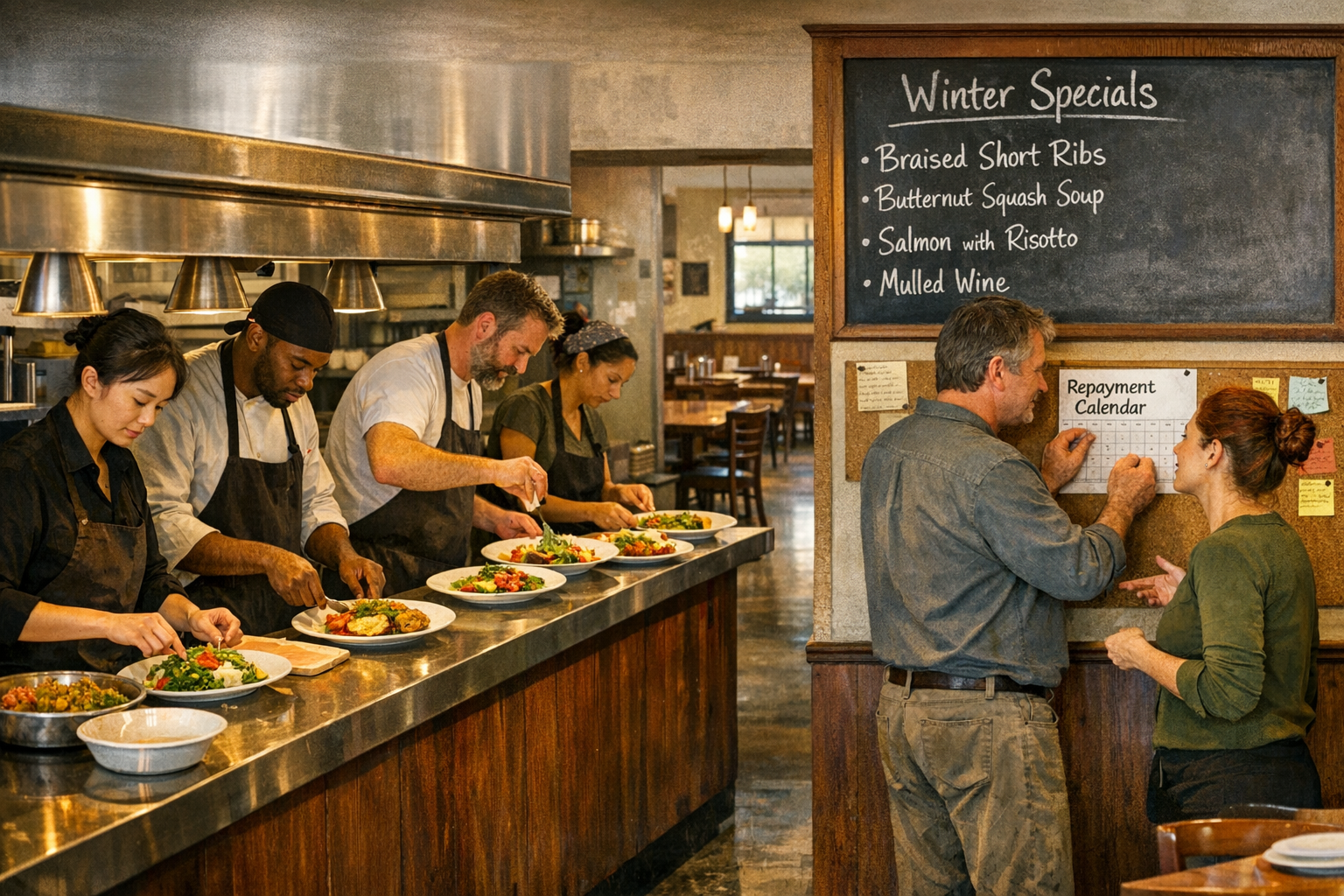
Seasonal fluctuations can create significant challenges for restaurant owners trying to maintain steady cash flow. Understanding how restaurants manage repayment during slow seasons becomes crucial when winter months bring fewer customers or economic downturns impact dining habits. Many restaurant owners face the difficult balance of meeting financial obligations while dealing with reduced revenue streams during these challenging periods.
The restaurant industry's cyclical nature means that even successful establishments must prepare for inevitable slow periods. Whether it's the post-holiday lull, summer vacation impacts on urban restaurants, or unexpected economic shifts, having a solid plan for managing repayments can mean the difference between surviving tough times and facing financial distress.
Revenue Enhancement Strategies for Off-Peak Periods
Revenue enhancement strategies for off-peak periods can provide the financial stability needed to meet repayment obligations during challenging times. Restaurant operators often implement creative approaches to maintain income streams when traditional dining traffic decreases.
- Seasonal promotions and dynamic pricing: Implementing targeted pricing strategies and limited-time offers can attract cost-conscious customers during slower periods, helping maintain revenue flow for essential payments.
- Happy hour specials and off-peak incentives: Creating value-driven promotions during traditionally slow hours may encourage customers to visit when they normally wouldn't, generating additional cash flow.
- Menu optimization for profit margins: Adjusting menu offerings to focus on higher-margin items during slow seasons can help maximize revenue from each customer interaction.
- Targeted marketing campaigns: Strategic advertising focused on driving traffic during specific slow periods can help maintain consistent customer flow and revenue generation.
Cost Control and Expense Management

Cost control and expense control becomes essential when restaurants need to maintain profitability during slower periods. Effective expense management can free up cash flow that might otherwise be tied up in unnecessary operational costs.
- Labor cost optimization: Adjusting staffing levels to match reduced customer traffic can significantly impact operating expenses while maintaining service quality during peak hours.
- Inventory management improvements: Reducing food waste and optimizing inventory levels helps preserve working capital that can be allocated toward repayment obligations.
- Utility and operational efficiency: Implementing energy-saving measures and streamlining operations during slow periods can reduce overhead costs without impacting customer experience.
- Vendor negotiation strategies: Renegotiating payment terms with suppliers or seeking volume discounts can improve cash flow timing and reduce immediate financial pressure.
Building and Maintaining Cash Reserves
Building and maintaining healthy cash flow during profitable periods provides a financial cushion for managing repayments when revenue declines. Smart cash management practices can help restaurant owners prepare for predictable seasonal challenges.
- Seasonal savings plans: Setting aside a percentage of profits during busy seasons creates a reserve fund specifically for covering expenses during slower months.
- Emergency fund development: Establishing a separate emergency fund equal to 3-6 months of operating expenses can provide security when unexpected slow periods occur.
- Cash flow forecasting: Creating detailed projections of seasonal revenue patterns helps restaurants plan repayment schedules around expected income fluctuations.
- Flexible repayment structures: Working with lenders to establish seasonal payment adjustments during the initial financing agreement can prevent cash flow crises during predictable slow periods.
Alternative Revenue Streams and Business Adaptation
Alternative revenue streams and business adaptation strategies can provide additional income sources that help restaurants maintain financial stability during off-peak seasons. Diversifying income streams reduces dependence on traditional dine-in service.
- Special event hosting: Creating unique dining experiences, private parties, or themed events can attract customers during typically slow periods and generate additional revenue.
- Catering and takeout expansion: Developing robust takeout and catering services can provide income streams that may be less affected by seasonal dining trends.
- Delivery service optimization: Partnering with delivery platforms or developing in-house delivery capabilities can reach customers who might not dine in during certain seasons.
- Retail product sales: Offering packaged goods, gift cards, or branded merchandise can create additional revenue opportunities that complement traditional food service.
Communication and Financial Planning with Lenders
Communication and financial planning with lenders plays a crucial role in successfully managing repayments during challenging periods. Proactive communication often leads to more favorable outcomes than waiting until payment difficulties arise.
- Proactive lender communication: Reaching out to discuss potential seasonal challenges before they impact payments can help establish goodwill and demonstrate responsible business management.
- Seasonal payment adjustments: Negotiating modified payment schedules that align with seasonal revenue patterns can prevent default situations during predictable slow periods.
- Financial documentation preparation: Maintaining detailed financial records that demonstrate seasonal patterns can support requests for payment modifications or temporary relief.
- Growth strategy presentation: Sharing concrete plans for revenue enhancement and cost control during slow seasons can build lender confidence in the business's long-term viability.
Successfully managing repayments during slow seasons requires a combination of strategic planning, operational flexibility, and proactive communication. Restaurant owners who implement revenue enhancement strategies while maintaining strict expense control often find themselves better positioned to weather challenging periods.
The key to long-term success lies in treating slow seasons as predictable business cycles rather than unexpected crises. By building cash reserves during profitable periods, diversifying revenue streams, and maintaining open communication with financial partners, restaurants can create sustainable systems for managing their obligations year-round.
Remember that each restaurant's situation is unique, and what works for one establishment may need adjustment for another. The most important step is developing a comprehensive off-peak planning strategy that addresses both revenue generation and expense management while maintaining the flexibility to adapt as circumstances change.