
.png)
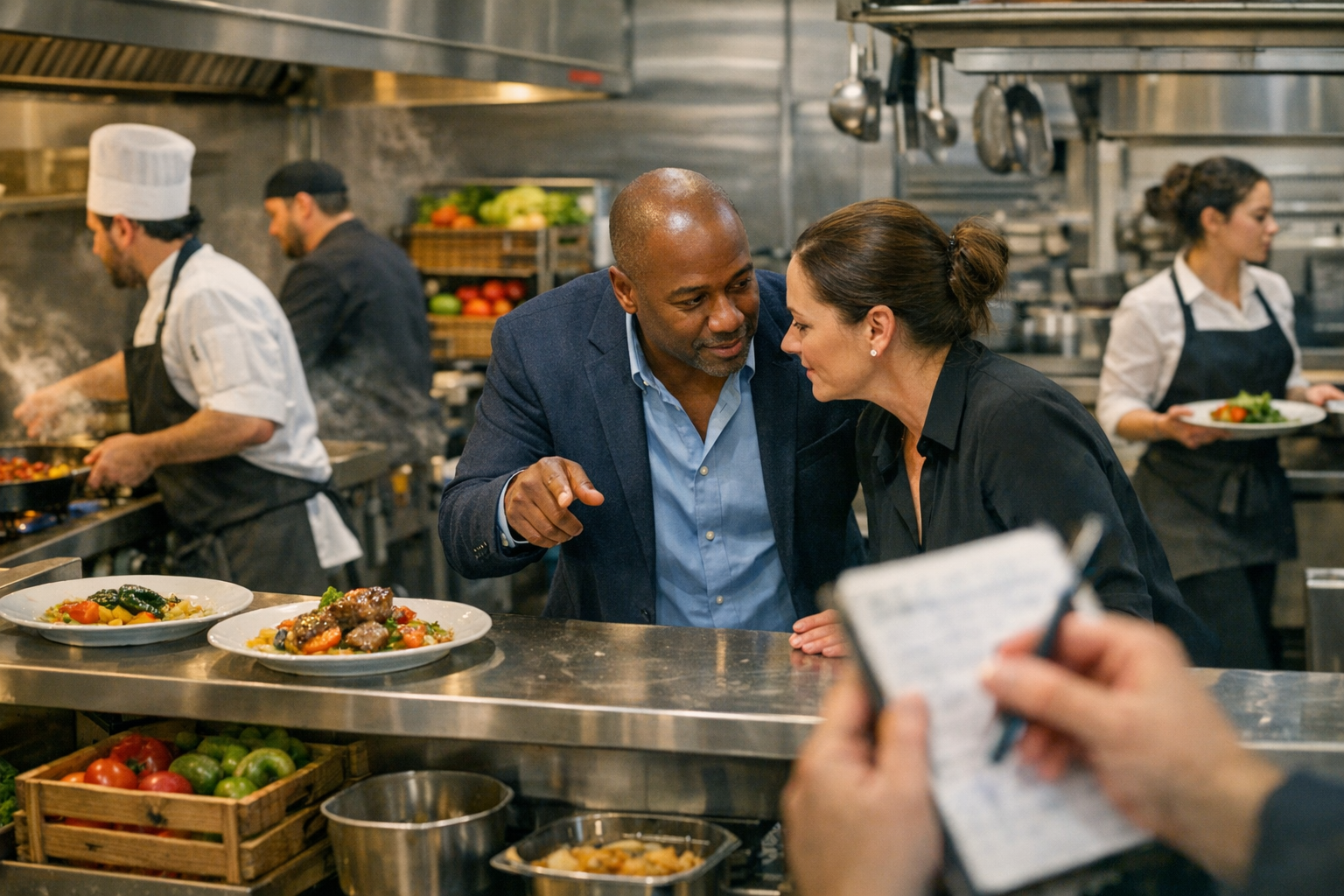
Understanding how restaurants recover cash flow after expansion is crucial for any restaurant owner who's recently opened a new location or invested heavily in growth. The post-expansion period can be financially challenging, with higher operational costs and initial revenue that may fall short of projections. Many restaurant owners find themselves navigating unexpected expenses while waiting for customer traffic to build momentum.
Cash flow challenges after expansion are more common than you might think. New locations often experience a ramp-up period where expenses remain high while revenue gradually increases. This creates a temporary financial squeeze that requires careful management and strategic planning to overcome successfully.
Monitor Daily Financial Metrics
Monitoring daily financial metrics becomes essential for restaurants working on how to recover cash flow after expansion. Tracking these numbers helps identify patterns and potential issues before they become major problems.
- Track daily sales against projections: Compare actual revenue to your forecasted numbers to spot trends early. This helps you adjust marketing efforts or operational strategies quickly when needed.
- Monitor food cost percentages: Keep a close eye on ingredient costs and waste levels, as these can fluctuate significantly during the initial months. Small improvements in food cost management can have a substantial impact on overall profitability.
- Calculate weekly cash conversion cycles: Understanding how quickly you turn inventory into cash helps optimize ordering and staffing decisions. This metric becomes particularly important when managing post-launch expenses effectively.
Control Post-Launch Operating Expenses
Managing post-launch expenses effectively requires a systematic approach to controlling operating costs without compromising service quality. These expense management strategies can help restaurants maintain financial stability during the critical early months.
- Optimize staff scheduling based on traffic patterns: Use sales data to create efficient schedules that match labor costs to actual customer demand. This prevents overstaffing during slow periods while ensuring adequate coverage during busy times.
- Negotiate better terms with suppliers: Review vendor contracts and seek volume discounts or extended payment terms that can improve cash flow timing. Even small improvements in supplier terms can provide meaningful relief during tight financial periods.
- Implement energy-efficient practices: Simple changes like LED lighting, programmable thermostats, and efficient equipment usage can reduce utility costs significantly. These savings may seem small individually but add up to meaningful improvements in monthly cash flow.
Diversify Revenue Streams

Creating multiple revenue streams helps restaurants recover cash flow after expansion by reducing dependence on traditional dine-in service. Diversification can provide additional income sources that complement your primary business model.
- Launch delivery and takeout services: These services often have higher profit margins since they require less front-of-house staffing. Online ordering platforms can help reach new customers while maximizing revenue from existing kitchen capacity.
- Offer catering packages: Catering typically involves larger order sizes and can be scheduled in advance, making cash flow more predictable. This service utilizes existing kitchen capabilities while targeting different customer segments.
- Create retail opportunities: Selling house-made sauces, seasonings, or packaged items provides additional revenue with potentially higher profit margins. These products can also serve as marketing tools that keep your brand visible to customers.
Strategic Financing Options for Stabilization
Strategic financing options can provide the working capital needed for financial stabilization during the post-expansion period. These funding solutions help bridge the gap between initial investment and profitable operations.
- Revenue-based financing: This type of funding allows restaurants to repay based on actual sales performance, which aligns repayment with cash flow generation. The flexible repayment structure can be particularly helpful during seasonal fluctuations or while building customer base.
- Equipment financing: If additional equipment is needed for optimal operations, equipment financing spreads the cost over time while preserving working capital. This approach helps manage repayment balance alongside operational cash flow needs.
- Short-term working capital solutions: These provide quick access to funds for inventory, payroll, or unexpected expenses during the stabilization period. Having access to working capital can prevent minor cash flow issues from becoming major operational problems.
- Merchant cash advances: For restaurants with established credit card sales, this option provides funding based on future card transaction volume. The advance amount is typically recovered through a percentage of daily card sales.
Customer Acquisition and Retention Strategies
Building a loyal customer base is fundamental to achieving long-term cash flow recovery after expansion. These customer-focused strategies help increase revenue while managing marketing costs effectively.
- Implement loyalty programs: Reward repeat customers with points, discounts, or exclusive offers that encourage frequent visits. Digital loyalty programs can also provide valuable customer data to improve marketing effectiveness.
- Focus on local community engagement: Participate in community events, sponsor local activities, or partner with nearby businesses to build brand awareness. Community involvement often generates word-of-mouth marketing that's more cost-effective than traditional advertising.
- Optimize social media presence: Regular posting about daily specials, behind-the-scenes content, and customer features can drive engagement without significant marketing spend. Social media platforms offer targeted advertising options that can reach local customers efficiently.
- Encourage online reviews: Positive reviews on platforms like Google and restaurant review sites can significantly impact customer decisions. Actively managing your online reputation helps attract new customers while building credibility in the local market.
Long-term Financial Planning for Restaurant Success
Long-term financial planning ensures that recovery efforts lead to sustained profitability rather than temporary relief. These planning strategies help restaurants build financial resilience for future challenges and opportunities.
- Establish cash reserves: Once cash flow stabilizes, prioritize building emergency funds that can cover 2-3 months of operating expenses. These reserves provide security for future expansion or unexpected challenges without requiring external financing.
- Regular financial performance reviews: Schedule monthly assessments of key financial metrics to identify trends and adjust strategies proactively. Regular reviews help maintain financial health and prepare for seasonal variations or market changes.
- Plan for seasonal fluctuations: Many restaurants experience predictable seasonal patterns that affect cash flow throughout the year. Understanding these patterns allows for better inventory management, staffing decisions, and promotional planning.
- Consider gradual expansion strategies: If additional growth is desired, plan expansions in phases that allow each new investment to contribute to cash flow before taking on additional commitments. This measured approach reduces financial risk while supporting sustainable growth.
Learning how restaurants recover cash flow after expansion requires a comprehensive approach that combines careful expense management, strategic revenue enhancement, and smart financing decisions. The key is to remain patient during the stabilization period while actively implementing strategies that improve financial performance.
Remember that cash flow recovery typically takes several months, and each restaurant's situation may require different combinations of these strategies. Focus on the approaches that align best with your specific circumstances, customer base, and long-term business goals. With consistent effort and strategic planning, most restaurants can successfully navigate the post-expansion period and achieve sustainable profitability.