.png)
How Restaurants Use Funding to Manage Delivery Growth
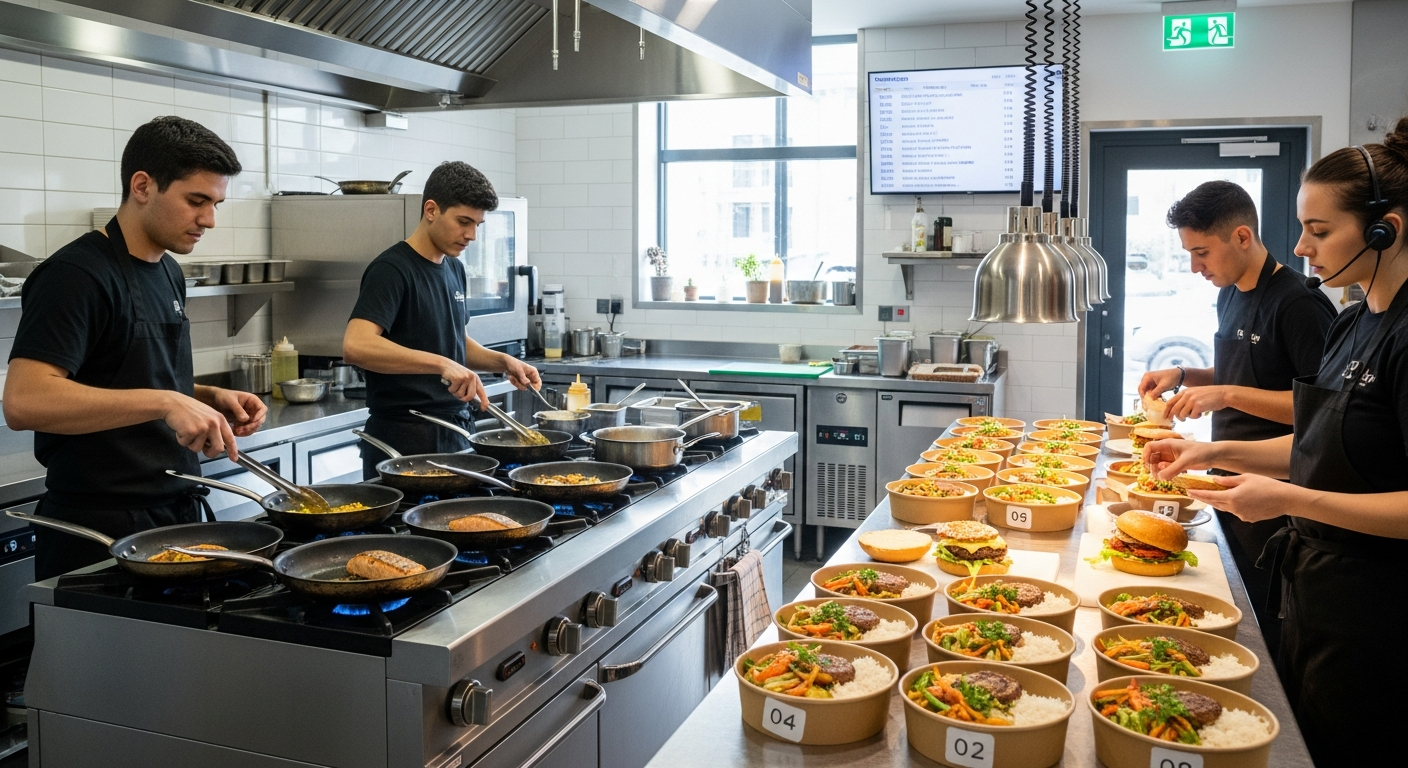
The online food delivery market has reached an estimated USD 400 billion globally, creating unprecedented opportunities for restaurant growth. However, this expansion comes with unique challenges that require strategic financial planning. Understanding how restaurants use funding to manage delivery growth becomes crucial as businesses navigate rising packaging costs, increased online orders, and complex operational demands. With the market projected to grow at a 10.7% compound annual growth rate, restaurants need smart funding strategies to capitalize on this trend while maintaining profitability and service quality.
Essential Technology Upgrades for Delivery Operations
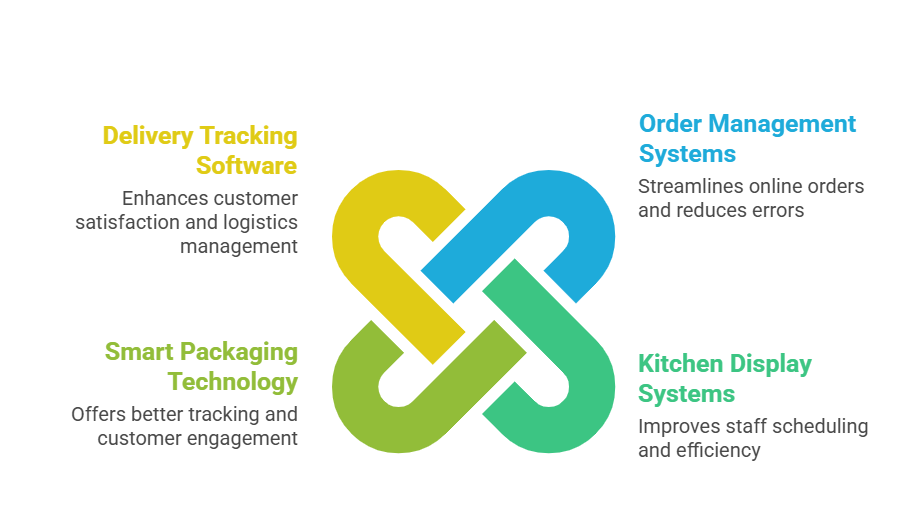
Technology upgrades for delivery operations represent one of the most impactful ways restaurants use funding to manage delivery growth. As digital orders make up a significant portion of total sales, restaurants must invest in systems that can handle increased volume efficiently.
- Order Management Systems: Advanced platforms help streamline online orders and reduce processing errors during peak delivery periods
- Kitchen Display Systems: Digital displays improve staff scheduling efficiency by providing real-time order tracking and preparation times
- Smart Packaging Technology: RFID chips and NFC tags in takeout packaging offer better tracking and customer engagement at decreasing costs
- Delivery Tracking Software: Real-time tracking systems enhance customer satisfaction and help restaurants manage delivery logistics more effectively
Strategic Packaging Solutions and Cost Management
Packaging costs have become a significant concern for restaurants focusing on delivery growth, particularly with new tariffs raising expenses for single-use packaging products. Strategic funding allocation for packaging solutions helps maintain margin balance while ensuring quality customer experiences.
- Technology-Integrated Packaging: Smart containers with tracking capabilities help restaurants maintain brand consistency and operational efficiency
- Sustainable Alternatives: Investment in eco-friendly packaging options may help mitigate tariff-related cost increases while appealing to environmentally conscious customers
- Bulk Purchasing Programs: Funding allocated for larger inventory purchases can reduce per-unit packaging costs
- Custom Packaging Design: Optimized packaging design reduces waste and material costs while enhancing the customer experience
Managing Operational Costs During Peak Delivery Periods
Effective cost management during high-demand periods requires careful resource allocation and strategic planning. Restaurants often need additional funding to handle the increased operational complexity that comes with delivery growth.
- Flexible Staffing Solutions: Funding for temporary staff during peak periods helps maintain service quality without long-term commitments
- Equipment Upgrades: Additional kitchen equipment may be necessary to handle increased online orders efficiently
- Supply Chain Optimization: Investment in better supplier relationships and inventory management systems reduces costs and ensures consistent availability
- Energy Efficiency Improvements: Upgraded equipment and systems can reduce operational costs while handling higher volume demands
Staff Training and Development Investment Priorities
As delivery operations become more complex, staff training becomes essential for maintaining quality and efficiency. Strategic investment in human resources helps restaurants adapt to evolving customer expectations and operational demands.
- Digital Platform Training: Staff need skills to manage multiple online ordering platforms and delivery apps effectively
- Quality Control Protocols: Training programs focused on maintaining food quality during packaging and delivery processes
- Customer Service Enhancement: Specialized training for handling delivery-related customer inquiries and issues
- Cross-Training Programs: Flexible staff scheduling becomes easier when employees can handle multiple roles during varying demand periods
Step-by-Step Approach to Delivery Growth Funding
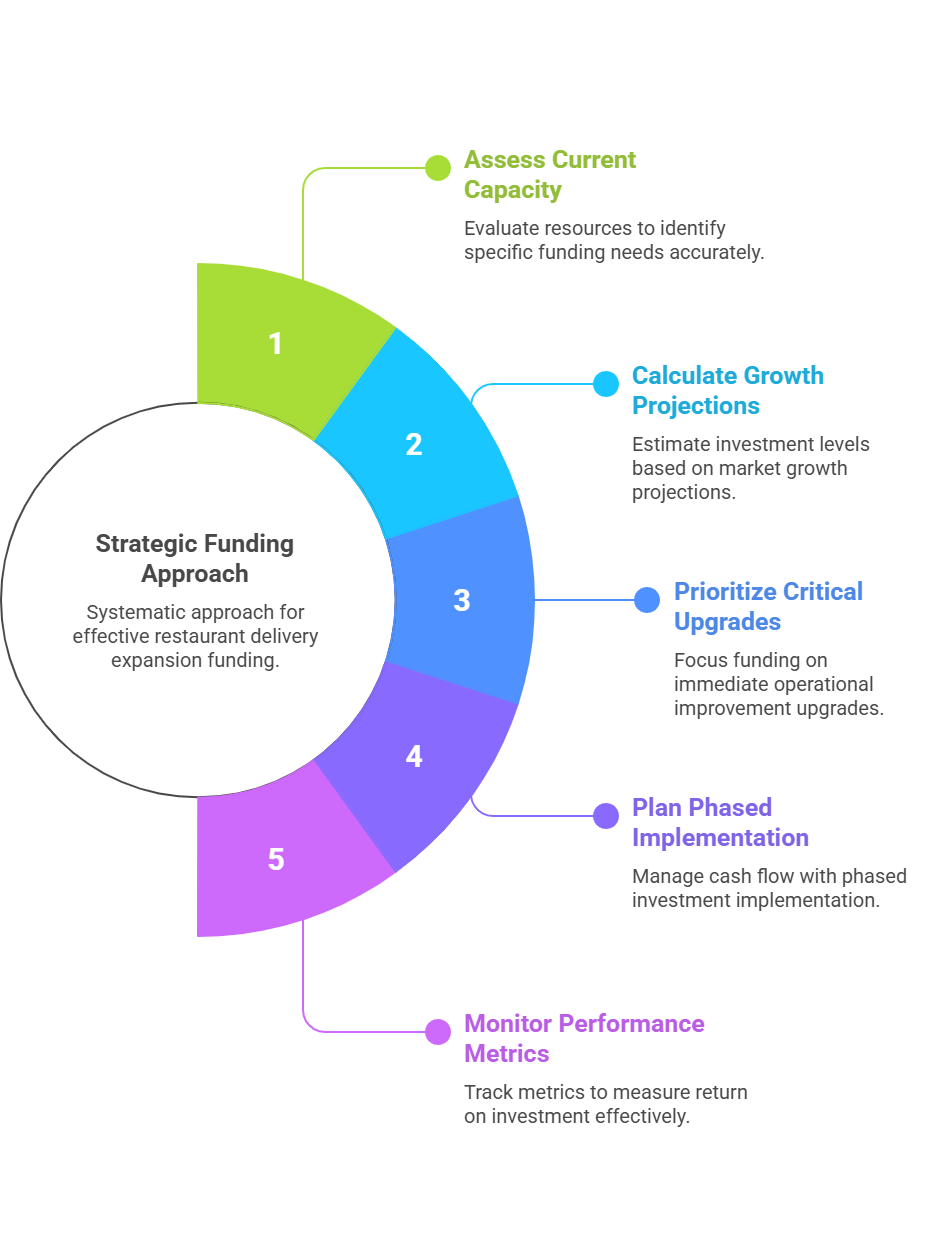
Implementing a systematic approach to funding delivery expansion helps restaurants make strategic decisions and avoid common pitfalls. This structured method ensures resources are allocated effectively across all operational areas.
- Assess Current Capacity: Evaluate existing kitchen equipment, staff levels, and technology systems to identify specific funding needs
- Calculate Growth Projections: Estimate increased online orders based on market trends and determine required investment levels
- Prioritize Critical Upgrades: Focus initial funding on technology and equipment upgrades that provide immediate operational improvements
- Plan Phased Implementation: Spread investments over time to manage cash flow while gradually building delivery capabilities
- Monitor Performance Metrics: Track key indicators like order accuracy, delivery times, and customer satisfaction to measure return on investment
Building Financial Reserves for Market Fluctuations
Creating financial cushions becomes increasingly important as restaurants navigate the volatile delivery market. Strategic funding approaches help businesses weather unexpected cost increases and market changes.
- Emergency Fund Development: Set aside funding specifically for unexpected costs like tariff increases or supply chain disruptions
- Seasonal Adjustment Planning: Build reserves during high-demand periods to maintain operations during slower seasons
- Technology Upgrade Reserves: Allocate funds for periodic system updates and equipment replacement to stay competitive
- Market Expansion Opportunities: Maintain accessible funding for quick scaling when market conditions favor rapid growth
- Regulatory Compliance Buffer: Keep reserves for potential regulatory changes that might affect delivery operations or packaging requirements
The delivery market's continued expansion presents both opportunities and challenges for restaurant operators. Smart funding strategies enable restaurants to navigate rising packaging costs, manage increased online orders, and maintain operational efficiency while growing their delivery business. Success depends on balancing immediate needs with long-term growth objectives, ensuring that investments in technology, staff training, and operational improvements contribute to sustainable profitability. By taking a strategic approach to funding delivery growth, restaurants can position themselves to thrive in an increasingly competitive market while maintaining the quality and service standards their customers expect.