.png)
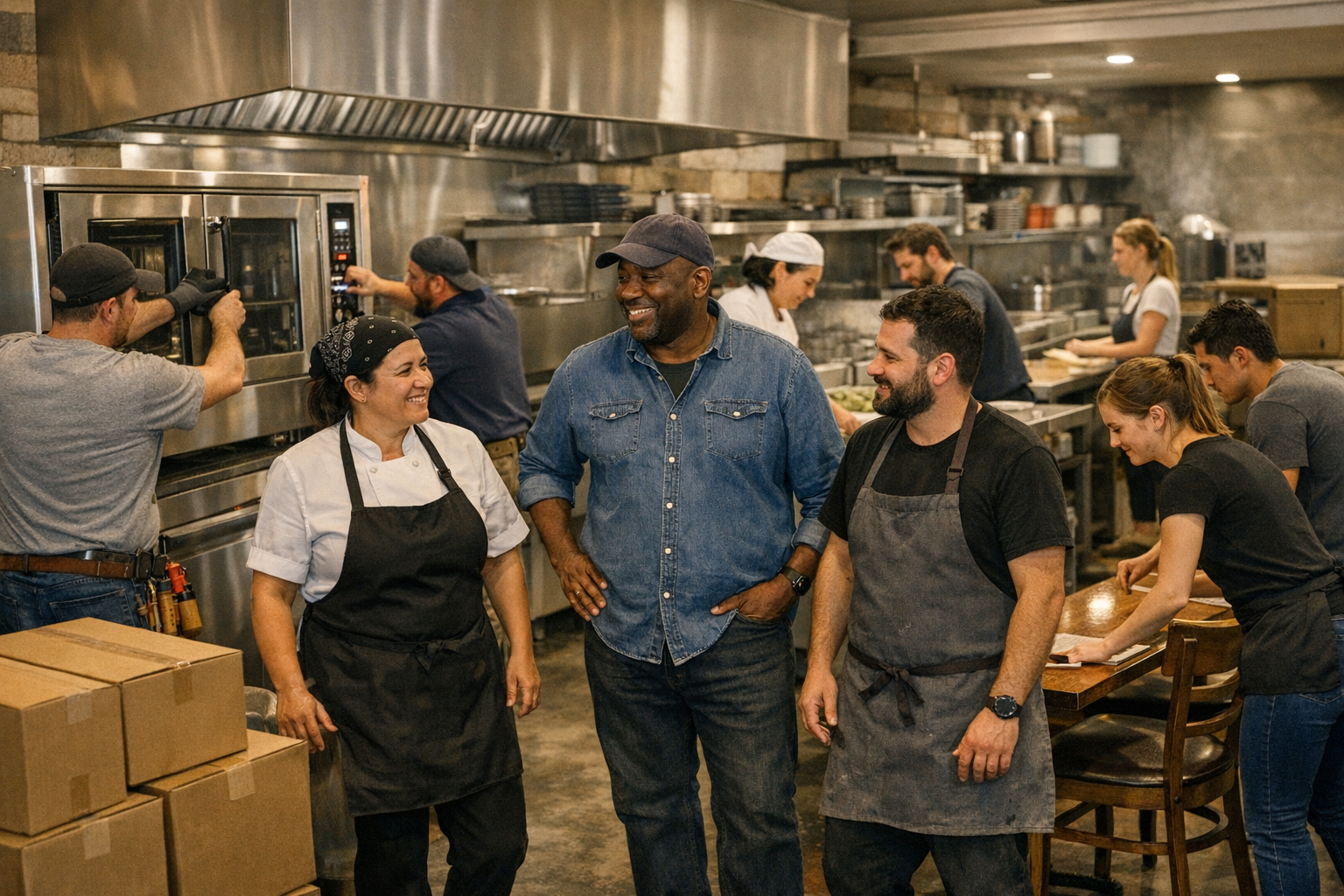
The restaurant industry is experiencing remarkable growth, with sales projected to reach $1.55 trillion nationwide in the coming years. For ambitious restaurant owners, this presents an incredible opportunity to expand and capture market share. However, scaling operations requires significant capital investment, from opening new locations to upgrading equipment and hiring additional staff. Understanding how restaurants used funding to scale operations can provide valuable insights for business owners looking to grow strategically while maintaining financial stability.
Smart restaurant owners recognize that expansion doesn't have to drain their cash reserves. By leveraging various financing options, they can accelerate their expansion timelines, preserve working capital, and position themselves for sustainable revenue growth. The key lies in understanding which funding strategies work best for different types of expansion goals.
Strategic Financing Approaches for Restaurant Growth
When examining how restaurants used funding to scale operations, several strategic financing approaches emerge as particularly effective. Restaurant owners who succeed in scaling typically don't rely on a single funding source but rather create a comprehensive financing strategy.
- Equipment financing: Many restaurants use specialized equipment financing to upgrade kitchen appliances, point-of-sale systems, and dining room furniture without depleting cash reserves
- Working capital advances: Short-term funding helps cover increased inventory, payroll, and operational expenses during the expansion phase
- Revenue-based financing: This flexible option allows restaurants to access capital based on their sales performance, with repayments that fluctuate with revenue
- Asset-based financing: Restaurants with valuable equipment or real estate can leverage these assets to secure funding for expansion projects
The most successful restaurant expansions often combine multiple financing types to create a balanced approach. This strategy helps spread risk while ensuring adequate capital for all aspects of growth, from initial setup costs to ongoing operational needs during the transition period.
Accelerating Expansion Timelines Through Smart Capital Allocation
One of the most significant advantages of using external funding is the ability to compress expansion timelines dramatically. Restaurants that might otherwise take years to save enough capital for growth can accelerate their plans by months or even years.
- Simultaneous location development: Funding allows restaurants to develop multiple locations at once rather than waiting for each site to generate enough profit for the next
- Market timing advantages: Quick access to capital helps restaurants capitalize on prime real estate opportunities or favorable market conditions that might not last
- Competitive positioning: Faster expansion can help establish market presence before competitors, particularly in emerging neighborhoods or underserved markets
- Economies of scale: Rapid growth enables better negotiating power with suppliers and more efficient operational systems across multiple locations
Restaurant owners often find that the cost of financing is offset by the increased revenue potential from earlier market entry. The ability to establish brand presence quickly can create lasting competitive advantages that justify the investment in external capital.
Managing Cash Flow Impact During Scaling Operations

Effective cash flow management becomes critical when restaurants use funding to scale operations. The challenge lies in balancing growth investments with maintaining healthy cash flow for day-to-day operations.
- Staggered repayment schedules: Smart restaurant owners choose financing options with flexible repayment terms that align with their cash flow cycles
- Revenue forecasting: Accurate sales projections help determine the appropriate amount of funding needed without over-leveraging the business
- Reserve management: Maintaining adequate cash reserves ensures the restaurant can handle unexpected expenses or temporary revenue dips during expansion
- Expense optimization: Streamlining operational costs helps free up cash flow to support both growth initiatives and financing obligations
The most successful scaling efforts involve careful monitoring of cash flow metrics throughout the expansion process. Restaurant owners typically establish key performance indicators to track whether their funding strategy is supporting sustainable growth or creating financial strain.
Measuring Revenue Growth and ROI from Funded Expansion
Understanding the return on investment from funded expansion helps restaurant owners evaluate the success of their scaling strategies and make informed decisions about future growth.
- Location performance tracking: Monitoring revenue per square foot and customer traffic patterns helps identify which expansion investments are generating the best returns
- Brand value assessment: Expansion often increases overall brand recognition and customer base, creating value beyond immediate revenue increases
- Operational efficiency gains: Larger operations may achieve cost savings through bulk purchasing, shared administrative functions, and optimized supply chains
- Market share analysis: Tracking competitive position and market penetration provides insights into the strategic value of expansion investments
Restaurant owners who successfully scale operations typically see revenue growth that exceeds the cost of financing within 12 to 24 months. However, the timeline can vary significantly based on location, market conditions, and execution quality.
Essential Steps for Sustainable Restaurant Growth
Creating a sustainable expansion plan requires careful preparation and strategic thinking. The most successful restaurant scaling efforts follow a systematic approach that maximizes the effectiveness of external funding.
- Conduct thorough market research: Identify target markets with sufficient demand and manageable competition before committing to expansion funding
- Develop comprehensive financial projections: Create detailed budgets that account for all expansion costs, ongoing expenses, and realistic revenue expectations
- Establish operational systems: Implement standardized procedures and management systems that can be replicated across multiple locations
- Build a strong management team: Ensure adequate leadership capacity to oversee expanded operations without compromising service quality
- Create contingency plans: Develop strategies for managing unexpected challenges or market changes that could impact expansion success
Following these steps helps ensure that external funding supports genuine growth opportunities rather than simply covering operational shortfalls. Restaurant owners who take this methodical approach tend to achieve better long-term results from their expansion investments.
The restaurant industry's projected growth to $1.55 trillion presents tremendous opportunities for ambitious business owners ready to scale their operations. How restaurants used funding to scale operations successfully demonstrates that strategic financing can accelerate expansion timelines, preserve cash flow, and drive sustainable revenue growth.
The key to successful restaurant scaling lies in developing a comprehensive financing strategy that aligns with your specific growth goals and market opportunities. Whether you're considering equipment financing, revenue-based funding, or other capital solutions, the important thing is to approach expansion with careful planning and realistic projections.