
.png)
How Small Manufacturers Scale Capacity with Funding
Small manufacturing businesses face unique challenges when trying to expand their operations. Unlike service-based companies, manufacturers need substantial capital investments in equipment, training, and infrastructure to increase their production capacity. Understanding how small manufacturers scale capacity with funding can make the difference between staying stagnant and achieving significant growth.
The manufacturing sector has seen increased access to alternative financing options that can provide rapid capital for expansion. With approval rates reaching up to 90% through certain fintech platforms and funding completion possible within 24 to 48 hours, manufacturers now have more opportunities than ever to secure the resources they need for scaling operations.
Common Questions About Manufacturing Funding
Q: What types of funding work best for manufacturing capacity expansion?
Merchant cash advances have become increasingly popular for manufacturers who process credit card payments. These financing options typically offer rapid approval processes and can provide capital within 24 to 48 hours, making them ideal for urgent equipment purchases or training initiatives.
Q: How quickly can manufacturers access funding for scaling operations?
Alternative financing solutions may provide funding completion within one to two business days, significantly faster than traditional bank financing which can take weeks or months to process.
Q: What approval rates can manufacturers expect?
Recent industry data suggests that qualified businesses may see approval rates reaching up to 90% through fintech platforms, particularly when they have good risk profiles and consistent credit card processing volumes.
Essential Equipment Upgrades for Capacity Growth
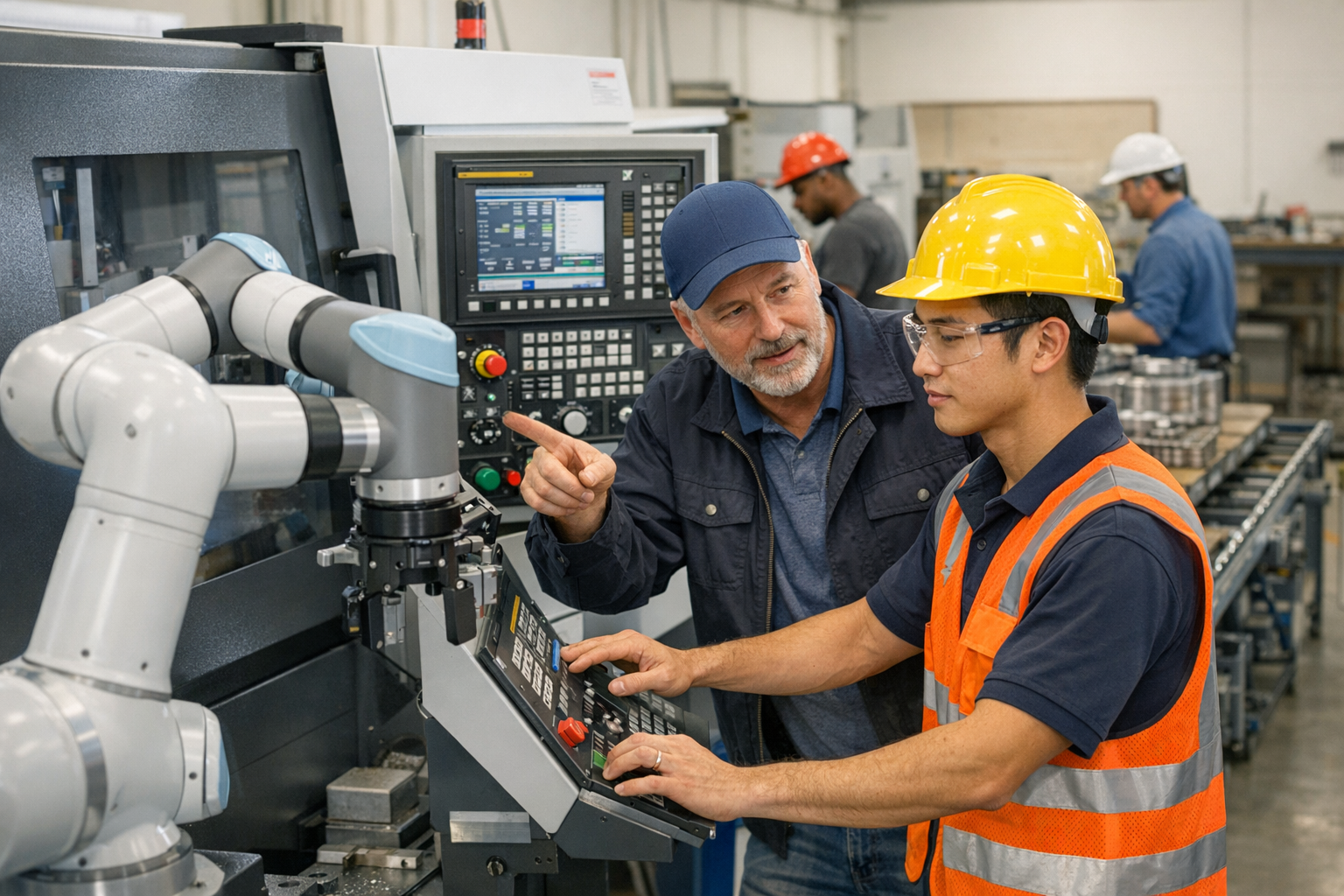
Equipment upgrades form the backbone of manufacturing capacity expansion. Modern machinery can dramatically increase production output while often reducing long-term operational costs.
- Production machinery modernization: Newer equipment typically operates faster and with greater precision than older models, directly translating to increased capacity and improved product quality.
- Quality control systems: Advanced testing and inspection equipment helps manufacturers maintain consistency while scaling up production volumes.
- Material handling equipment: Upgraded conveyor systems, forklifts, and automated storage solutions can eliminate bottlenecks that limit production capacity.
- Energy-efficient systems: Modern equipment often consumes less energy per unit produced, helping manufacturers manage operational costs as they scale.
Strategic Workforce Training Investments
Training investments are crucial for manufacturers looking to maximize their capacity expansion efforts. A skilled workforce can operate new equipment more effectively and adapt to increased production demands.
- Technical skills development: Training programs focused on new equipment operation ensure employees can maximize the potential of upgraded machinery.
- Safety protocol education: As production scales up, maintaining safety standards becomes even more critical, requiring comprehensive training on new procedures and equipment.
- Cross-training initiatives: Teaching employees multiple skills creates flexibility in staffing and helps prevent bottlenecks when certain team members are unavailable.
- Leadership development: Growing operations often require additional supervisory staff, making management training a valuable investment for scaling manufacturers.
Workflow Automation Implementation Steps

Workflow automation can significantly increase manufacturing capacity without proportionally increasing labor costs. The key is implementing automation strategically to complement existing operations.
- Process analysis and mapping: Identifying repetitive tasks and bottlenecks helps manufacturers determine where automation can have the greatest impact on capacity.
- Integrated software systems: Modern manufacturing execution systems can coordinate production scheduling, inventory management, and quality control in real-time.
- Robotic process integration: Automated assembly lines and robotic systems can handle routine tasks, freeing human workers for more complex operations.
- Data collection and analytics: Automated monitoring systems provide valuable insights that help manufacturers optimize their expanded capacity over time.
Order Fulfillment Optimization Strategies
Effective order fulfillment systems become even more critical as manufacturers scale their capacity. These improvements ensure that increased production capacity translates to better customer service.
- Inventory management system upgrades: Real-time inventory tracking helps manufacturers avoid stockouts while minimizing excess inventory that ties up working capital.
- Shipping and logistics optimization: Streamlined packaging and shipping processes ensure that increased production doesn't create fulfillment bottlenecks.
- Customer communication systems: Automated order tracking and communication tools help manufacturers maintain service quality as order volumes increase.
- Flexible fulfillment options: Developing multiple shipping and delivery options allows manufacturers to serve diverse customer needs while maintaining efficiency.
Financing Strategy Implementation Timeline
Successfully scaling manufacturing capacity requires careful timing and strategic funding. Understanding the implementation timeline helps manufacturers coordinate their growth efforts effectively.
- Initial assessment and planning phase: Manufacturers should evaluate their current capacity, identify specific expansion goals, and determine funding requirements before approaching lenders.
- Financing application and approval: With improved approval rates and competitive pricing making funding more accessible, manufacturers can often secure funding within days rather than weeks.
- Equipment procurement and installation: Once funding is secured, manufacturers can begin purchasing and installing new equipment while coordinating training schedules.
- Staff training and system integration: Comprehensive training programs ensure that employees can effectively utilize new equipment and automated systems.
- Production scaling and optimization: Gradual increases in production volume allow manufacturers to identify and address any issues before reaching full capacity.
Understanding how small manufacturers scale capacity with funding opens up significant growth opportunities for businesses ready to expand their operations. The combination of equipment upgrades, strategic training investments, workflow automation, and optimized order fulfillment creates a comprehensive approach to capacity expansion.
With approval rates reaching up to 90% and funding completion possible within 24 to 48 hours, manufacturers have unprecedented access to the capital needed for growth. However, it's important to stay informed about state-specific regulations that might affect financing terms and to understand all available options before making funding decisions.
The key to successful capacity scaling lies in taking a strategic approach that balances immediate funding needs with long-term operational efficiency. By investing in the right combination of equipment, training, and systems, small manufacturers can achieve sustainable growth that positions them for continued success in competitive markets.