
.png)

How to Calculate Inventory Working Capital for Retail
Understanding how to calculate inventory working capital for retail is crucial for maintaining healthy cash flow and operational efficiency. Working capital represents the difference between your current assets and current liabilities, with inventory often being the largest component for retail businesses. When you can accurately measure and manage this metric, you're better positioned to handle seasonal fluctuations, optimize stock levels, and negotiate favorable supplier terms that support your business growth.
Essential Components of Inventory Working Capital
Essential components of inventory working capital include three key elements that directly impact your retail operation's financial health. Understanding these components helps you identify where your cash might be tied up and where improvements could be made.
- Inventory Value: The total cost of goods you currently have in stock, including raw materials, work-in-progress, and finished products ready for sale
- Accounts Receivable: Money owed to your business by customers who have purchased on credit, which affects how quickly cash returns to your operations
- Accounts Payable: Outstanding payments you owe to suppliers and vendors, which can provide temporary financing when managed strategically
- Cash Conversion Cycle: The time it takes for inventory investment to convert back into cash through sales, directly impacting working capital needs
Basic Working Capital Formula for Retailers

The basic working capital formula for retailers provides a straightforward way to assess your business's short-term financial position. This calculation helps you determine whether you have sufficient resources to cover day-to-day operations and unexpected expenses.
- Current Assets: Include cash, inventory, accounts receivable, and other assets that can be converted to cash within one year
- Current Liabilities: Encompass accounts payable, short-term debt, accrued expenses, and other obligations due within one year
- Net Working Capital: Calculate by subtracting current liabilities from current assets to determine your available operational funding
- Working Capital Ratio: Divide current assets by current liabilities to get a percentage that indicates financial stability and liquidity strength
Inventory Turnover Impact on Working Capital
Inventory turnover significantly affects your working capital requirements and cash flow patterns. Higher turnover typically means less cash is tied up in stock, while lower turnover might indicate overstocking or slow-moving merchandise that impacts financial flexibility.
- Turnover Calculation: Divide cost of goods sold by average inventory value to determine how many times you cycle through stock annually
- Cash Flow Timing: Faster turnover means quicker conversion of inventory investment back into available cash for operations
- Storage Costs: Lower turnover increases warehousing, insurance, and handling costs that reduce overall profitability
- Obsolescence Risk: Slow-moving inventory faces higher risk of becoming outdated or unsaleable, potentially creating write-offs that impact working capital
Managing Seasonal Spikes in Inventory Needs
Managing seasonal spikes requires careful planning and flexible financial strategies to maintain adequate working capital during peak periods. Many retailers face significant cash flow challenges when preparing for holiday seasons or other high-demand periods.
- Demand Forecasting: Use historical sales data and market trends to predict inventory needs and plan working capital requirements accordingly
- Staggered Purchasing: Spread inventory purchases over several months to avoid large cash outflows that strain working capital all at once
- Alternative Financing: Consider inventory financing options or merchant cash advances to bridge the gap between purchase and sale cycles
- Supplier Negotiations: Work with vendors to establish seasonal payment terms that align better with your cash flow patterns during peak periods
Steps to Calculate Your Inventory Working Capital
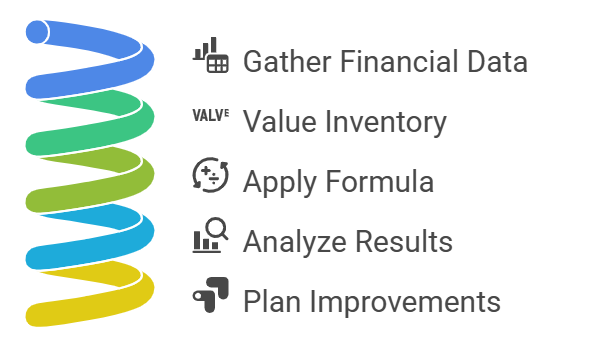
Following these steps to calculate your inventory working capital ensures you have accurate data for financial planning and decision-making. This systematic approach helps identify areas where improvements might optimize your cash position.
- Gather Financial Data: Collect current balance sheet information including all current assets and current liabilities for the most recent period
- Value Your Inventory: Calculate total inventory value using your chosen method such as FIFO, LIFO, or weighted average cost
- Apply the Formula: Subtract total current liabilities from total current assets to determine net working capital amount
- Analyze the Results: Compare your working capital to industry benchmarks and previous periods to assess financial health
- Plan Improvements: Identify opportunities to optimize inventory levels, accelerate collections, or negotiate better supplier terms
Optimizing Supplier Terms for Better Cash Flow
Optimizing supplier terms can significantly improve your working capital position by extending the time between cash outflow for inventory and cash inflow from sales. Strategic negotiations with vendors often yield better payment conditions that support operational flexibility.
- Extended Payment Terms: Negotiate longer payment periods such as net 45 or net 60 instead of net 30 to keep cash available longer
- Early Payment Discounts: Evaluate whether discount terms like 2/10 net 30 provide sufficient savings to justify earlier cash outflow
- Seasonal Adjustments: Request modified payment schedules during slow periods to match supplier obligations with revenue patterns
- Volume Discounts: Structure larger orders to achieve better pricing while balancing the working capital impact of increased inventory investment
Monitoring and Adjusting Your Strategy
Regularly monitoring and adjusting your inventory working capital strategy ensures continued optimization as your business evolves. Market conditions, seasonal patterns, and supplier relationships may change over time, requiring periodic reassessment of your approach to maintain healthy cash flow and operational efficiency.
Mastering how to calculate inventory working capital for retail puts you in control of your business's financial health and growth potential. By understanding the relationship between inventory turnover, seasonal demands, and supplier terms, you can make informed decisions that optimize cash flow while maintaining adequate stock levels. Regular monitoring and strategic adjustments to your working capital management approach will help ensure your retail operation remains financially stable and ready to capitalize on growth opportunities as they arise.