
.png)
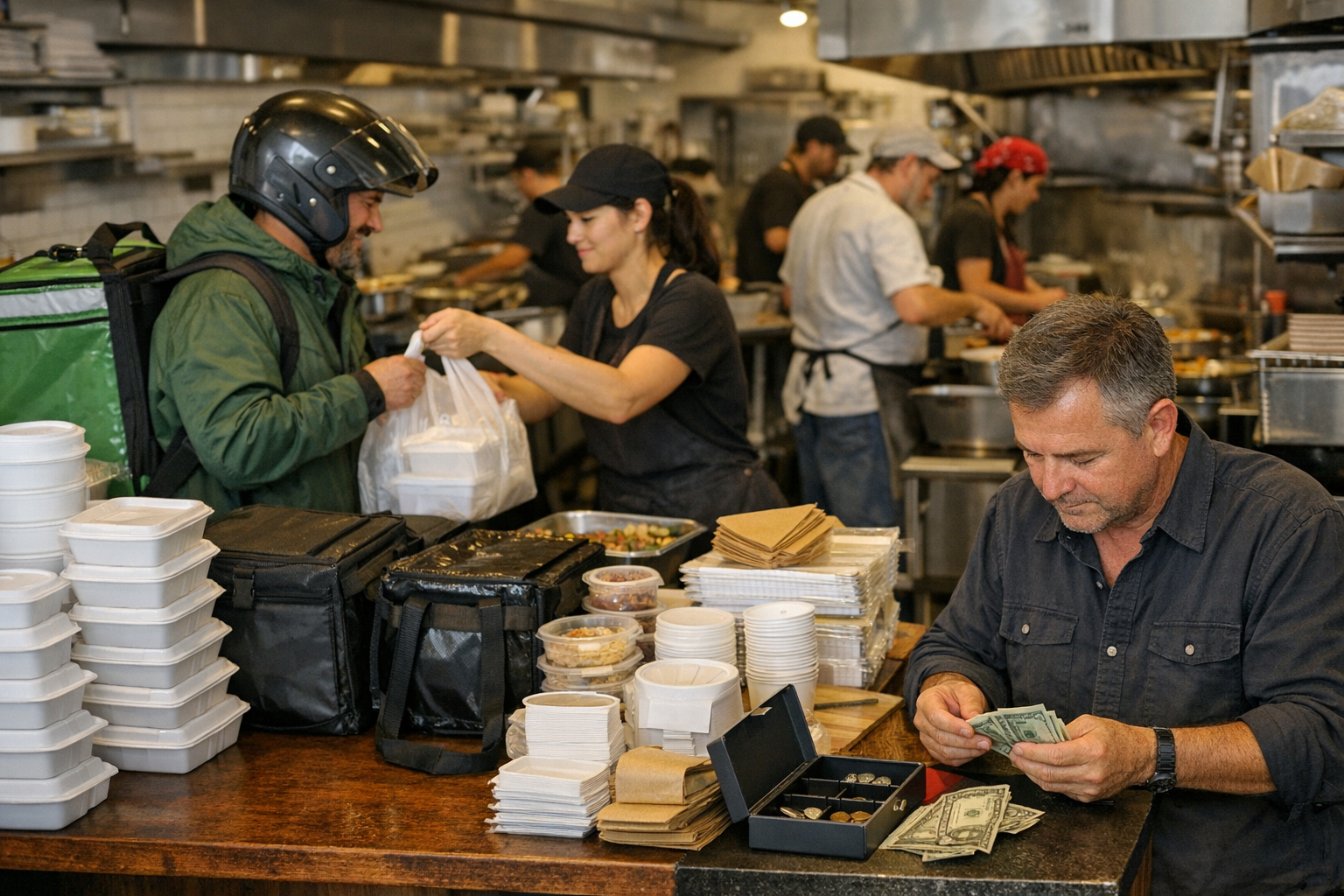
Managing finances in today's delivery-focused restaurant landscape requires more than just tracking daily sales. With fluctuating order volumes, varying commission fees from delivery platforms, and rising packaging costs, knowing how to forecast cash flow for delivery-heavy restaurants has become a critical skill for business survival.
Cash flow forecasting helps restaurant owners anticipate financial shortfalls, plan for unexpected expenses, and maintain stability despite the unique challenges of delivery operations. This comprehensive guide will walk you through practical strategies to build accurate forecasts that account for the specific variables affecting delivery-heavy establishments.
Essential Components of Restaurant Cash Flow Forecasting
Understanding the essential components of restaurant cash flow forecasting provides the foundation for accurate financial planning. Delivery-heavy restaurants face unique challenges that require careful attention to specific revenue and expense categories.
- Beginning cash balance tracking: Start each forecast period with your current cash position to establish a baseline for all projections
- Revenue stream identification: Account for dine-in sales, delivery orders, takeout, and any catering or special events that might affect cash inflow
- Expense categorization: Separate fixed costs like rent and utilities from variable expenses such as commission fees and packaging materials
- Delivery-specific cost factors: Include platform commission rates, packaging expenses, and any delivery staff wages or contracted services
Key Variables Affecting Delivery Restaurant Forecasts

Key variables affecting delivery restaurant forecasts require special attention because they can fluctuate significantly based on external factors and business decisions.
- Order volume patterns: Track seasonal trends, weather impacts, and promotional campaign effects on delivery demand
- Commission fee structures: Monitor changes in delivery platform rates and negotiate better terms when possible to improve cash flow predictability
- Packaging cost variations: Account for supplier price changes, quantity discounts, and the need for different packaging types based on menu items
- Labor cost adjustments: Factor in kitchen staff overtime during peak delivery periods and any dedicated delivery personnel expenses
Weekly Cash Flow Management Strategies
Weekly cash flow management strategies help delivery-heavy restaurants adapt quickly to changing market conditions and operational demands. Short-term forecasting allows for immediate adjustments that can prevent cash shortages.
- Regular forecast updates: Review and adjust projections weekly to account for actual performance versus predictions
- Expense timing optimization: Schedule major purchases and vendor payments to align with expected cash inflows from busy delivery periods
- Revenue opportunity tracking: Monitor upcoming events, weather forecasts, and competitor activities that might affect order volume
- Emergency fund planning: Maintain a buffer for unexpected costs like equipment repairs or sudden increases in packaging expenses
Step-by-Step Forecast Building Process
The step-by-step forecast building process provides a structured approach to creating reliable cash flow predictions for delivery operations.
- Gather historical data: Collect at least 3-6 months of sales records, expense reports, and delivery platform statements to identify patterns and trends
- Calculate average metrics: Determine typical order volumes, commission rates, and packaging costs per order to establish baseline figures
- Project future sales: Use historical data and upcoming events to estimate delivery revenue for each week of your forecast period
- Estimate variable expenses: Multiply projected order volumes by average packaging costs and commission rates to predict these key expense categories
- Add fixed costs: Include rent, utilities, insurance, and other regular expenses that remain consistent regardless of order volume
Managing Commission Fees and Packaging Expenses
Managing commission fees and packaging expenses requires ongoing attention to contract terms and supplier relationships that directly impact your bottom line.
- Negotiate platform terms: Review delivery platform agreements regularly and negotiate better commission rates based on your order volume and loyalty
- Optimize packaging choices: Balance cost considerations with customer experience by selecting packaging that protects food while minimizing expense per order
- Track expense ratios: Monitor commission fees and packaging costs as percentages of revenue to identify when these expenses become problematic
- Explore bulk purchasing: Coordinate with suppliers to secure volume discounts on packaging materials while managing storage space effectively
- Consider menu engineering: Design menu items and pricing strategies that account for delivery-specific costs while maintaining profitability
Long-Term Financial Stability Through Forecasting
Long-term financial stability through forecasting requires consistent application of proven cash flow management principles adapted to the unique demands of delivery-heavy operations. Regular forecasting helps restaurants weather financial fluctuations and maintain stability despite external cost pressures that can significantly impact profitability.
Successful delivery restaurants typically use rolling forecast models that extend 13 weeks into the future, allowing for strategic planning around seasonal variations in order volume while maintaining the flexibility to adjust for unexpected changes in commission fees or packaging costs. This approach provides the granularity needed to make informed decisions about menu pricing, staff scheduling, and inventory management that directly affect predict and manage cash flow outcomes.
Mastering how to forecast cash flow for delivery-heavy restaurants is essential for long-term success in today's competitive food service industry. By implementing weekly forecasting practices, carefully tracking commission fees and packaging costs, and regularly adjusting projections based on actual order volume, restaurant owners can build the financial stability needed to thrive.
Remember that effective cash flow forecasting is an ongoing process that improves with practice and consistent application. Start with simple weekly projections, then gradually incorporate more sophisticated rolling forecast models as you become comfortable with the basics. With proper forecasting in place, your delivery-heavy restaurant will be better equipped to handle financial challenges and capitalize on growth opportunities.