.png)

How to Stabilize Cash Flow for Expansion
Expanding your business is exciting, but it requires solid financial footing. Many growing companies struggle with the challenge of maintaining stable cash flow while pursuing new opportunities. The key lies in implementing proven strategies that balance current operations with future growth investments.
Understanding how to stabilize cash flow for expansion isn't just about having more money in the bank. It's about creating predictable financial patterns that support sustained growth without compromising day-to-day operations. With the right approach, you can build the financial stability needed to pursue expansion opportunities confidently.
Common Cash Flow Stability Questions
Business owners often have similar concerns when it comes to managing cash flow during expansion phases. Let's address some of the most frequently asked questions about stabilizing finances for growth.
Q: How much cash reserve should I maintain before expanding?
Most financial experts suggest maintaining at least three to six months of operating expenses in reserve. This buffer helps ensure you can cover essential costs while investing in growth initiatives.
Q: Can I expand if my cash flow is inconsistent?
Expanding with inconsistent cash flow can be risky. It's typically better to first stabilize your business cash flow through improved budgeting and forecasting before pursuing major growth investments.
Q: What's the biggest cash flow mistake during expansion?
The most common error is underestimating how much working capital expansion requires. Many businesses focus on initial investment costs but forget about the ongoing cash needs of larger operations.
Essential Budgeting Strategies for Stable Growth
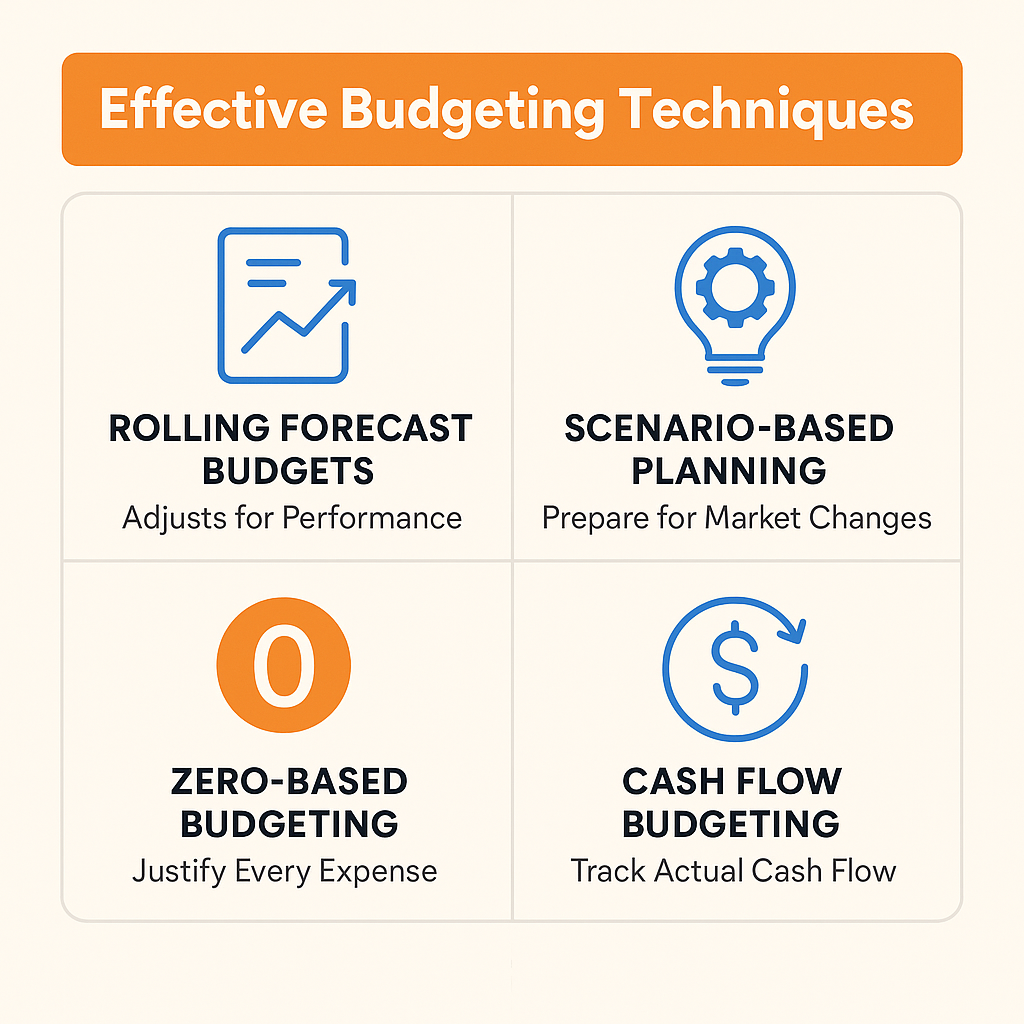
Effective budgeting forms the foundation of stable cash flow management. These budgeting approaches can help create the financial foundation needed for successful expansion.
- Rolling Forecast Budgets: Create 13-week rolling forecasts that adjust based on actual performance, giving you a clearer picture of upcoming cash needs and opportunities.
- Scenario-Based Planning: Develop multiple budget scenarios including conservative, optimistic, and worst-case projections to prepare for various market conditions.
- Zero-Based Budgeting: Regularly review and justify every expense category to eliminate unnecessary costs and redirect funds toward growth initiatives.
- Cash Flow Budgeting: Track when money actually comes in and goes out, rather than just accounting for revenues and expenses, to better manage timing gaps.
Accelerating Revenue Through Smart Collection Practices
Improving how quickly you collect payments can significantly stabilize your cash flow. These collection strategies to stabilize might help reduce the time between making a sale and receiving payment.
- Invoice Terms Optimization: Consider shortening payment terms from 30 to 15 days and offer small discounts for early payment to incentivize faster collection.
- Automated Follow-Up Systems: Implement automated reminders that send payment notices at regular intervals, reducing the manual effort required for collections.
- Multiple Payment Options: Accept various payment methods including digital payments and credit cards to make it easier for customers to pay promptly.
- Customer Credit Screening: Establish credit requirements for new accounts to reduce the risk of late or non-payment issues that can disrupt cash flow.
Sales Forecasting Methods That Actually Work
Accurate sales forecasting is crucial for maintaining stable cash flow during expansion. These proven forecasting approaches can help you predict revenue more reliably.
- Historical Trend Analysis: Analyze past sales patterns to identify seasonal trends and growth trajectories that can inform future projections.
- Pipeline-Based Forecasting: Track prospects through your sales funnel and apply conversion rates to estimate upcoming revenue with greater accuracy.
- Customer Segment Analysis: Break down forecasts by customer type or market segment to better understand where revenue growth is most likely to occur.
- Leading Indicator Tracking: Monitor metrics like website traffic, inquiry volume, or quote requests that typically precede sales to improve forecast timing.
Step-by-Step Cost Control Implementation
Implementing systematic cost control measures can free up cash for expansion while maintaining operational efficiency. Here's a structured approach to managing expenses effectively.
- Expense Category Review: Categorize all expenses into fixed, variable, and discretionary groups to identify which costs can be controlled or reduced without impacting operations.
- Vendor Negotiation Process: Systematically review contracts with suppliers and service providers to negotiate better terms, bulk discounts, or extended payment periods.
- Technology Automation Integration: Identify manual processes that can be automated to reduce labor costs while improving efficiency and accuracy.
- Regular Cost Monitoring: Establish monthly cost reviews to track spending against budgets and quickly identify areas where expenses are exceeding projections.
- Performance-Based Adjustments: Link certain variable costs to performance metrics so expenses scale appropriately with revenue changes.
Creating Your Financial Stability Action Plan
Building financial stability for expansion requires a systematic approach. Follow these steps to develop a comprehensive plan that supports sustainable growth.
- Financial Health Assessment: Conduct a thorough review of your current cash flow patterns, identifying strengths and areas that need improvement before expansion.
- Cash Flow Goal Setting: Establish specific targets for cash reserves, collection periods, and expense ratios that align with your expansion timeline and objectives.
- Implementation Timeline Development: Create a phased approach for implementing cash flow improvements, prioritizing high-impact changes that can be executed quickly.
- Monitoring System Setup: Establish regular reporting and review processes to track progress toward stability goals and make adjustments as needed.
- Contingency Plan Creation: Develop backup plans for various scenarios, including slower-than-expected growth or temporary cash flow disruptions.
Stabilizing cash flow for expansion doesn't happen overnight, but with consistent effort and the right strategies, you can build the financial foundation needed for sustainable growth. The combination of effective budgeting, improved collection practices, accurate sales forecasting, and disciplined cost control creates a powerful framework for financial stability.
Remember that cash flow stability is an ongoing process, not a one-time achievement. As your business grows and market conditions change, you'll need to adjust your approaches accordingly. The key is starting with solid fundamentals and continuously refining your methods based on actual results.
By implementing these strategies systematically, you can create the predictable cash flow patterns that make expansion not just possible, but profitable. The effort you invest in stabilizing your finances today will pay dividends as you pursue the growth opportunities that lie ahead.