.png)
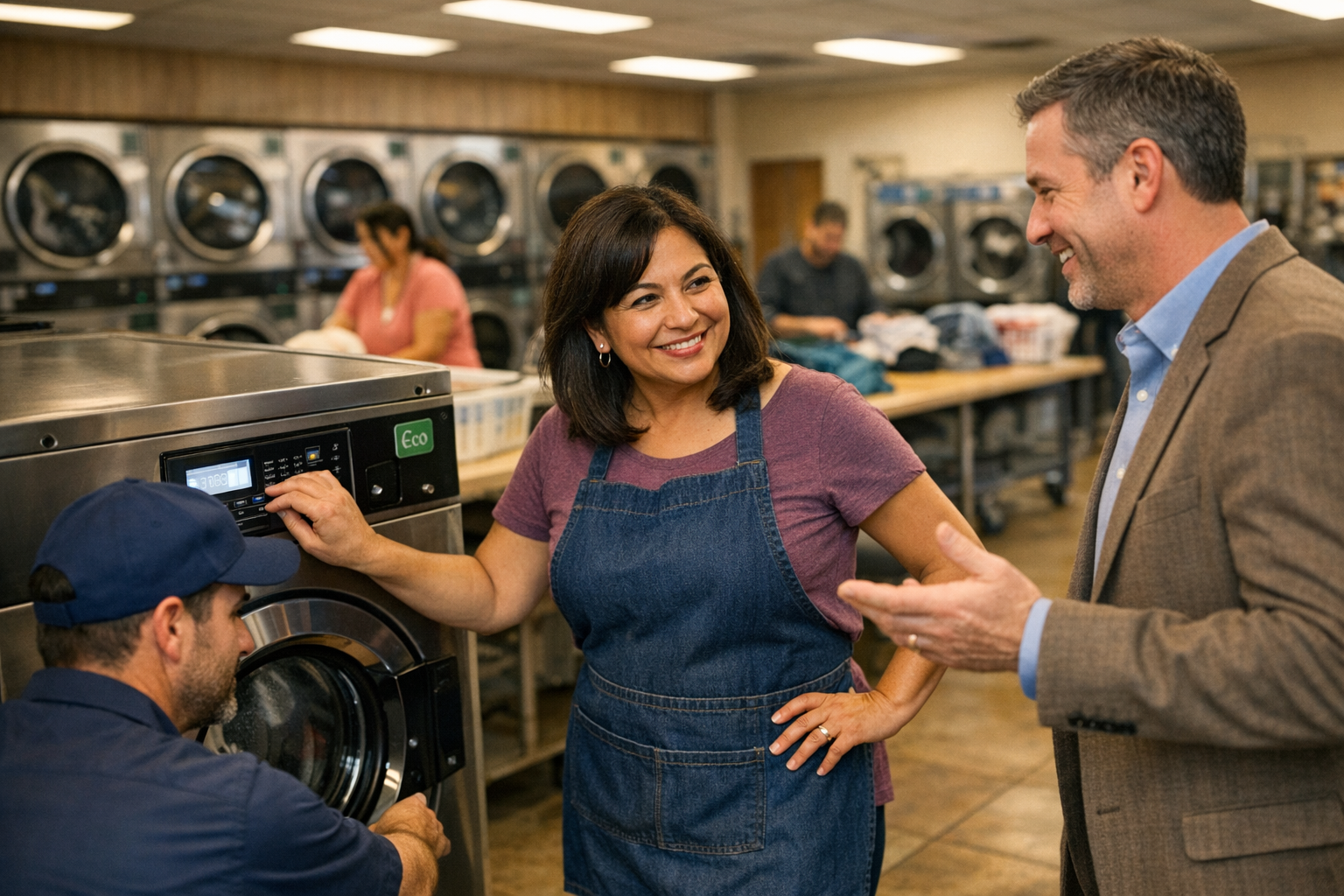
Running a successful laundry business requires keeping pace with technology and customer expectations. When your washers and dryers start showing their age, the dilemma becomes clear: how do you finance new equipment without putting your cash flow at risk? Laundry business funding for equipment upgrades offers practical pathways to modernize your operation, replace outdated machines, and capture efficiency gains that directly impact your bottom line.
For many laundromat owners and commercial laundry operators, the upfront cost of new machines can feel overwhelming. A single commercial washer can run into thousands of dollars, and a full equipment overhaul might require tens of thousands. Yet older machines drain resources through higher energy bills, frequent breakdowns, and lost customer satisfaction. The good news? Specialized financing solutions exist that let you upgrade now while spreading costs over time, preserving the working capital you need for daily operations.
This guide walks through the funding options available, explains how to approach machine replacement strategically, and provides insight into ROI planning so you can make decisions that strengthen your business for years to come.
Common Questions About Laundry Equipment Financing
Common questions about laundry equipment financing help business owners understand what to expect when pursuing funding for upgrades. These answers clarify the process and set realistic expectations.
Q: Can I get pre-approved for commercial laundry equipment financing?
Yes, many financing providers offer pre-approval processes that give you a clear understanding of your funding capacity before you commit to specific equipment purchases. Getting pre-approved can streamline the upgrade process, letting you shop for machines with confidence about your budget. This approach may save time and reduce uncertainty when you're ready to move forward with machine replacement.
Q: How much of my equipment project cost can financing typically cover?
Financing coverage varies by provider and your business profile, but some programs might cover up to 70% of total project costs. This substantial support can significantly reduce the immediate financial burden on your laundry business, allowing you to preserve cash reserves for operational costs and unexpected needs. The remaining balance becomes more manageable when paired with existing capital or other funding sources.
Q: Is equipment-specific financing different from general business funding?
Equipment-specific financing tends to be structured around the value and useful life of the machines you're purchasing. This type of funding often comes with terms that align with the equipment's depreciation schedule, which could result in favorable rates compared to unsecured financing options. Understanding these distinctions helps you choose the funding option that best matches your upgrade timeline and financial goals.
Key Benefits of Equipment Upgrade Funding

Key benefits of equipment upgrade funding extend beyond simply acquiring new machines. These advantages touch every aspect of your laundry operation and can reshape your competitive position in the market.
- Preserve Working Capital: Financing allows you to maintain cash reserves for day-to-day expenses, payroll, and emergency repairs. Instead of depleting savings on a large equipment purchase, you spread payments over time while keeping liquidity intact for operational needs.
- Access Modern Efficiency: Newer commercial laundry machines typically consume less water and energy while delivering faster cycle times. These efficiency gains can translate into lower utility bills and the ability to serve more customers in the same timeframe, potentially boosting revenue.
- Reduce Maintenance Headaches: Older equipment often requires frequent repairs that disrupt service and frustrate customers. Upgrading to reliable, warranty-backed machines may dramatically cut maintenance costs and minimize downtime that hurts your reputation.
- Enhance Customer Satisfaction: Modern machines with better performance and features can improve the customer experience, encouraging repeat visits and positive word-of-mouth. When customers see updated equipment, they often perceive your business as professional and committed to quality.
Popular Financing Solutions for Laundry Operations
Popular financing solutions for laundry operations come in several forms, each with characteristics that might suit different business situations. Understanding these options helps you match funding to your specific needs.
- Equipment Financing Programs: Specialized programs designed for commercial laundry equipment often feature streamlined applications and approval processes tailored to the industry. These programs may offer competitive rates because the equipment itself serves as collateral, reducing lender risk.
- Revenue-Based Funding: Some laundry businesses prefer funding options that tie repayment to daily or weekly revenue. This approach can provide flexibility during slower periods, as payments adjust with cash flow rather than remaining fixed regardless of business performance.
- Manufacturer-Backed Financing: Equipment manufacturers sometimes partner with financial institutions to offer financing directly through the purchase process. These arrangements can simplify the buying experience and may include promotional terms or coverage for a significant portion of project costs.
- Government Grants and Incentives: Federal programs focused on energy efficiency might provide grants or tax incentives for businesses that upgrade to qualifying equipment. While not traditional financing, these resources can offset upgrade costs and improve overall ROI when combined with other funding sources.
Strategic Approaches to Machine Replacement
Strategic approaches to machine replacement help you prioritize investments and maximize the impact of your funding. A thoughtful replacement plan ensures you address the most pressing needs first while building toward long-term goals.
- Assess Current Performance: Start by evaluating which machines cause the most problems or cost the most to operate. Equipment that breaks down frequently or consumes excessive energy should typically move to the top of your replacement list, as upgrades here may deliver immediate relief and cost savings.
- Plan for Growth: Consider whether your current capacity meets customer demand or if you're turning away business during peak hours. Upgrading might include adding machines or replacing smaller units with larger, higher-capacity models that support business expansion.
- Balance Costs and Benefits: Not every machine needs replacement at once. A phased approach lets you spread financing across multiple periods, test new equipment performance, and adjust your strategy based on real-world results before committing to a complete overhaul.
- Prioritize Energy Efficiency: Energy-efficient machines often qualify for grants or incentives and deliver ongoing savings through reduced utility bills. When planning replacements, factor in the long-term operational cost reductions that modern equipment can provide alongside immediate performance improvements.
Steps to Secure Laundry Business Funding for Equipment Upgrades
Steps to secure laundry business funding for equipment upgrades involve preparation, research, and clear communication with potential funding partners. Following a structured process can improve your chances of approval and favorable terms.
- Gather Financial Documentation: Lenders typically require recent tax returns, bank statements, and profit-and-loss statements to assess your business health. Having these documents organized and ready demonstrates professionalism and can speed up the approval process significantly.
- Research Financing Options: Compare programs from equipment manufacturers, alternative lenders, and other financial institutions. Look at interest rates, repayment terms, and any additional fees to understand the true cost of each option and identify the best fit for your situation.
- Calculate Your Budget: Determine how much you can comfortably afford in monthly or weekly payments without straining cash flow. Factor in the expected efficiency gains and operational cost reductions that new equipment might bring, as these can help offset financing costs over time.
- Submit Applications: Apply to multiple providers if needed, and be transparent about your business situation and goals. Pre-approval can give you negotiating power and clarity, allowing you to make equipment decisions with confidence once you know your funding capacity.
- Review Terms Carefully: Before accepting any funding offer, read the fine print to understand repayment schedules, prepayment penalties, and any conditions tied to the financing. Make sure the terms align with your business cycle and cash flow patterns to avoid future payment challenges.
Planning ROI for Equipment Investments
Planning ROI for equipment investments ensures that your upgrade decisions make financial sense and contribute to long-term profitability. A clear ROI framework helps justify the expense and track whether new machines deliver the expected value.
- Estimate Cost Savings: Calculate potential reductions in energy bills, water usage, and maintenance expenses that newer machines might provide. Even modest monthly savings can add up significantly over the life of the equipment, often covering a substantial portion of financing costs.
- Project Revenue Increases: Consider whether faster cycle times, increased capacity, or improved customer satisfaction could boost revenue. More efficient operations might allow you to serve additional customers during peak hours or attract new business through better service quality.
- Account for Downtime Reduction: Older equipment that breaks down frequently costs you not just repair bills but also lost revenue during outages. Factor in the value of increased uptime and reliability when assessing the return on upgrading to newer, more dependable machines.
- Set Measurable Benchmarks: Establish specific metrics to track after installation, such as utility costs per load, customer visits per week, or maintenance calls per month. Comparing these numbers before and after the upgrade provides concrete evidence of ROI and can inform future investment decisions.
Upgrading commercial laundry equipment represents a significant decision that can reshape your business trajectory. Laundry business funding for equipment upgrades offers a practical way to modernize operations without compromising the cash flow that keeps your doors open daily. Whether you're exploring equipment-specific financing, manufacturer-backed programs, or energy efficiency grants, the key lies in matching the right funding solution to your unique business needs and goals.
Machine replacement doesn't have to happen all at once. Strategic planning lets you prioritize the upgrades that deliver the greatest efficiency gains and operational cost reductions first, building momentum as you see returns. By carefully calculating ROI and setting measurable benchmarks, you can approach equipment investments with confidence, knowing that each upgrade moves you closer to a more profitable, competitive, and sustainable laundry business.
The path to modernization starts with understanding your options and taking that first step toward pre-approval or initial conversations with funding providers. With the right approach and a clear plan, new equipment can become an investment that pays dividends for years, not a financial burden that weighs you down.