
.png)
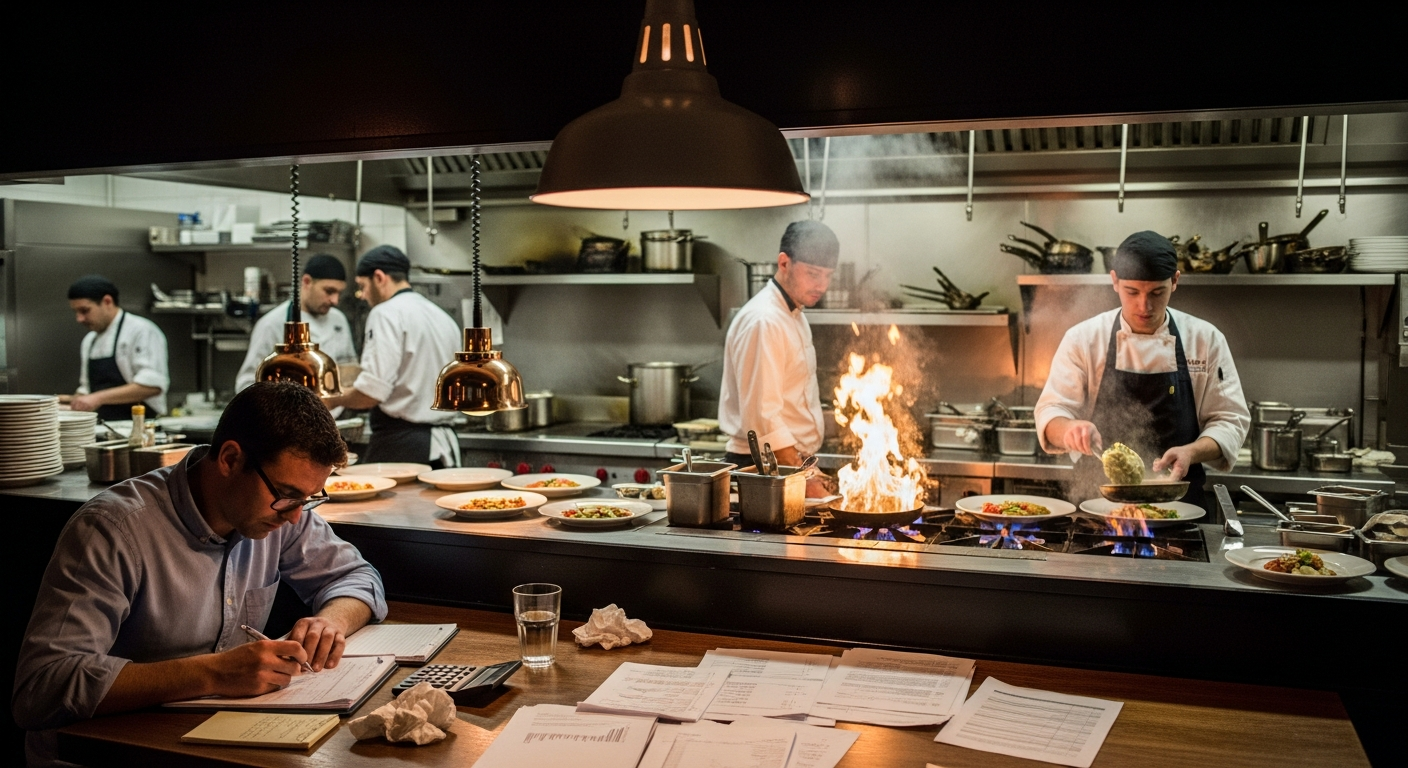
Restaurant cash flow forecasting mistakes can be the difference between thriving and shutting down. With approximately 82% of restaurant failures potentially preventable through better financial management, understanding where forecasting goes wrong isn't just helpful, it's essential for survival. The restaurant industry faces unique challenges that make accurate cash flow predictions particularly tricky, from unpredictable food cost swings to seasonal fluctuations that can catch even experienced owners off guard.
Many restaurant owners think they've got their finances figured out, only to discover that small forecasting errors compound into major cash flow problems. Whether it's underestimating the impact of delivery fees on profit margins or failing to account for staffing gaps during busy periods, these mistakes can quickly spiral out of control. The good news? Most of these errors are completely avoidable once you know what to watch for.
Essential Do's for Accurate Cash Flow Forecasting
Getting restaurant cash flow forecasting right requires following proven best practices that account for the industry's unique challenges. These essential do's can help restaurant owners avoid the most common pitfalls that lead to financial trouble.
- Regularly update your sales forecasts with current market data and seasonal trends to prevent overestimating revenue during slow periods
- Track food cost percentages weekly rather than monthly to catch price swings before they impact your cash position significantly
- Build staffing flexibility into your projections by planning for coverage during peak times and accounting for higher labor costs during busy seasons
- Factor in all delivery platform fees when calculating net revenue from third-party orders, as these can reduce actual income by 15-30%
- Create separate forecasts for different revenue streams including dine-in, takeout, delivery, and catering to better understand each channel's performance
Critical Don'ts That Destroy Restaurant Forecasts
Avoiding these common don'ts is just as important as following best practices when it comes to restaurant cash flow forecasting mistakes. These errors might seem minor at first, but they often lead to significant financial problems down the road.
- Don't rely on outdated historical data without adjusting for current market conditions, economic changes, or shifts in customer behavior patterns
- Don't ignore seasonal variations in your local market, as even subtle changes can create unexpected cash flow gaps during slower months
- Don't forget to account for supply chain disruptions that can cause sudden spikes in food costs or force expensive menu substitutions
- Don't use the same labor forecasts year-round without considering holiday schedules, vacation time, and seasonal hiring challenges
- Don't overlook hidden costs like credit card processing fees, equipment maintenance, or unexpected repairs that can quickly eat into projected profits
Managing Food Cost Fluctuations in Your Forecasts

Food cost swings represent one of the most challenging aspects of restaurant cash flow forecasting, as prices can change rapidly due to weather, supply chain issues, or market demand. Managing these fluctuations effectively requires a systematic approach that goes beyond simple historical averaging.
- Implement weekly cost tracking: Monitor your top 10-15 ingredients weekly rather than waiting for monthly reports, allowing you to spot trends before they become major problems
- Build in cost buffers: Add a 3-5% buffer to your food cost projections to account for unexpected price increases, particularly for seasonal or weather-sensitive ingredients
- Develop supplier relationships: Work with multiple suppliers and maintain backup options for critical ingredients to avoid emergency purchasing at premium prices
- Use menu engineering strategies: Regularly analyze which dishes provide the best profit margins and adjust your forecasts based on promoting high-margin items during cost spike periods
Accounting for Staffing Challenges in Revenue Projections
Staffing gaps can create a domino effect that impacts both service quality and revenue potential, making it crucial to factor these challenges into your cash flow forecasting. Many restaurant owners underestimate how staffing issues can limit their ability to serve customers during peak periods.
- Plan for turnover costs: Include recruitment, training, and temporary staffing expenses in your projections, as restaurant turnover rates often exceed 50% annually
- Account for seasonal hiring challenges: Factor in higher wages or difficulty finding staff during busy seasons when competition for workers intensifies across the industry
- Model service capacity limits: Adjust revenue forecasts during periods when understaffing might force you to reduce hours, limit seating, or turn away customers
- Include overtime and emergency staffing: Build in costs for covering shifts when employees call out sick or during unexpected busy periods that require additional coverage
Navigating Seasonal Revenue and Cost Patterns
Seasonality affects restaurants differently depending on location, concept, and target market, but failing to account for these patterns is among the most common cash flow forecasting mistakes. Understanding your specific seasonal trends helps prevent cash shortages during slower periods.
- Analyze three years of data: Look at revenue patterns over multiple years to identify consistent seasonal trends while filtering out one-time events or anomalies
- Adjust marketing spend seasonally: Increase promotional budgets during traditionally slower periods and factor these costs into your cash flow projections
- Plan for seasonal menu changes: Account for ingredient availability and pricing changes that occur with seasonal menu rotations or holiday specials
- Prepare for utility fluctuations: Factor in higher heating or cooling costs during extreme weather seasons that can significantly impact monthly expenses
Restaurant cash flow forecasting mistakes don't have to be inevitable. By focusing on accurate data inputs, regular updates, and realistic projections that account for food cost swings, staffing gaps, delivery fees, and seasonality, restaurant owners can build more reliable financial forecasts. The key is treating forecasting as an ongoing process rather than a once-and-done exercise.
Remember that even small improvements in forecasting accuracy can have significant impacts on your restaurant's financial stability. Start by implementing one or two of these strategies and gradually build a more comprehensive forecasting system. When cash flow challenges do arise, having access to flexible financing options can provide the breathing room needed to implement better forecasting practices and get back on track.