
.png)
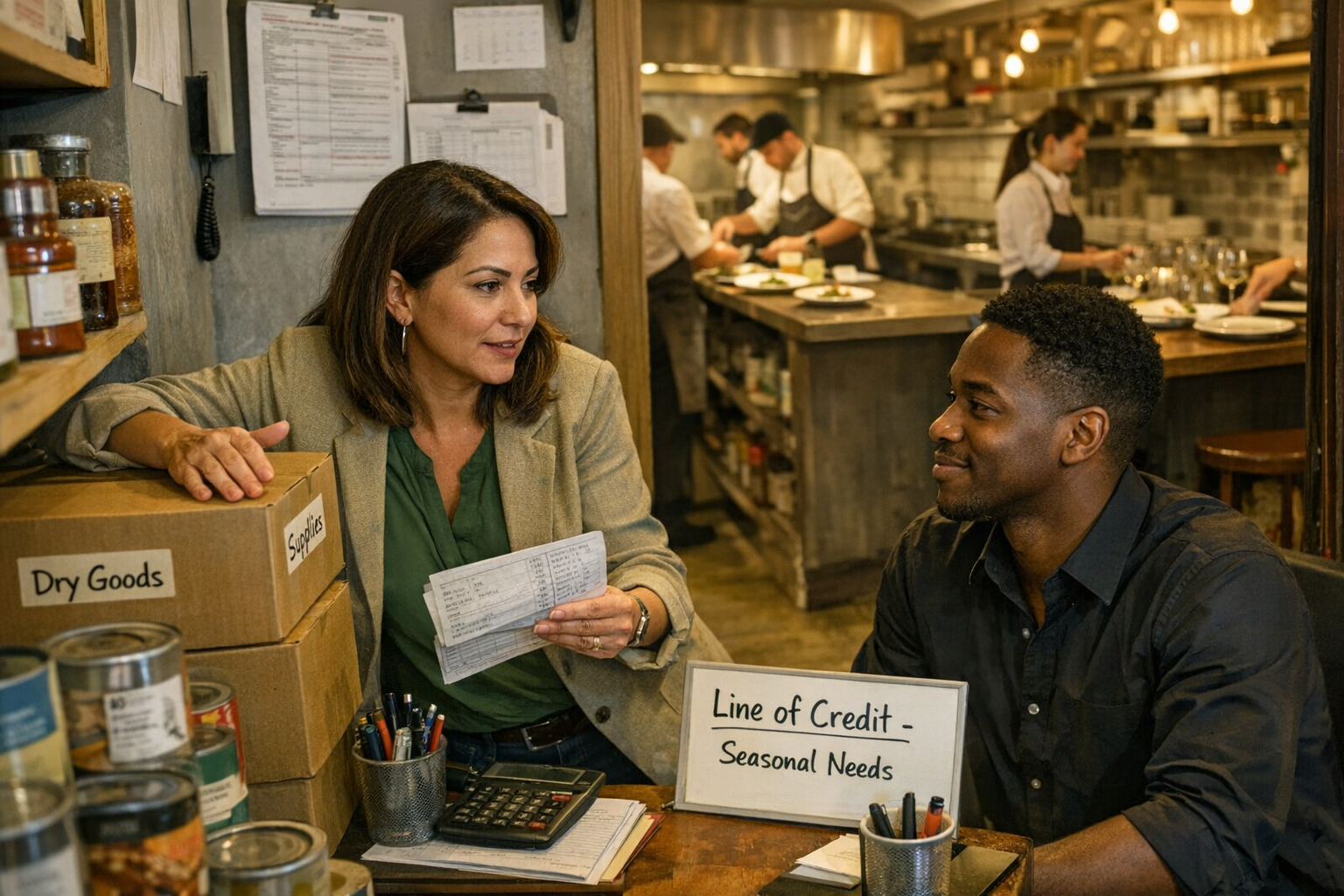
How Restaurants Manage Cash Flow With a Line of Credit
Running a restaurant means dealing with unpredictable cash flow patterns that can make or break your business. One day you're packed with customers, the next you're wondering how to cover payroll during a slow week. That's where understanding how restaurants manage cash flow with a line of credit becomes crucial for long-term success.
Unlike traditional financing options, a business line of credit offers the flexibility that restaurant owners desperately need. You can draw funds when business is slow and pay them back when revenue picks up, creating a financial safety net that adapts to your unique operational rhythm.
Understanding Business Line Credit Mechanics
Understanding business line credit mechanics helps restaurant owners make smarter financial decisions throughout the year. A business line of credit functions differently from traditional financing, offering revolving access to capital that can adapt to your restaurant's changing needs.
- Revolving Credit Structure: You can draw funds multiple times up to your approved limit, typically operating on cycles of 1 to 5 years
- Interest on Usage Only: Unlike fixed financing, you only pay interest on the amount you actually draw from your line
- Flexible Draw Timing: Access funds when you need them most, whether for inventory, payroll, or unexpected expenses
- Repayment Flexibility: Make payments as your cash flow improves, then draw again when needed
- Quick Access: Once approved, funds are typically available within days rather than weeks
Seasonal Cash Flow Gap Management

Seasonal cash flow gap management becomes much more manageable when restaurants utilize lines of credit strategically. Most restaurants experience significant revenue fluctuations throughout the year, making steady cash flow a constant challenge.
- Bridge Slow Periods: Draw funds during traditionally slow months to maintain operations without stress
- Maintain Staff Retention: Keep your best employees on payroll even when sales dip temporarily
- Inventory Preparation: Stock up before busy seasons without depleting your cash reserves
- Marketing Investment: Fund promotional campaigns during slow periods to boost customer traffic
- Equipment Maintenance: Address repairs and upgrades when you have time, not just when you have excess cash
Strategic Application Timing Benefits
Strategic application timing benefits restaurant owners who plan ahead rather than waiting until financial pressure mounts. The timing of your credit application can significantly affect both approval chances and the terms you receive.
- Apply During Strong Periods: Submit applications when your financials look strongest to secure better terms
- Seasonal Preparation: Get approval before you need the funds to avoid rushed decisions
- Rate Advantages: Better timing might result in more favorable interest rates and higher credit limits
- Negotiation Power: Applying from a position of strength gives you more room to negotiate terms
- Peace of Mind: Having credit available before you need it reduces stress and improves decision-making
Liquidity Control Best Practices
Liquidity control best practices help restaurant owners maintain financial stability while avoiding common pitfalls that can lead to debt problems. Smart liquidity management ensures you're using your line of credit as a tool for growth, not just survival.
- Monitor Cash Flow Patterns: Track your restaurant's natural rhythm to predict when you'll need additional funding
- Set Draw Limits: Establish personal limits below your credit maximum to maintain a financial buffer
- Plan Repayment Cycles: Align your repayment schedule with your restaurant's peak revenue periods
- Maintain Emergency Reserves: Keep some credit availability untouched for true emergencies
- Regular Financial Reviews: Assess your usage patterns monthly to ensure you're optimizing the credit line effectively
Implementation Action Steps
Implementation action steps provide a clear roadmap for restaurant owners ready to improve their cash flow management with a business line of credit. Taking these steps in order increases your chances of success and helps you avoid common mistakes.
- Analyze Your Cash Flow History: Review at least 12 months of financial data to identify patterns and seasonal trends in your restaurant's revenue
- Research Credit Options: Compare different lenders and credit products to find terms that match your restaurant's specific needs and repayment capabilities
- Prepare Financial Documentation: Gather tax returns, profit and loss statements, and bank statements to streamline the application process
- Apply During Peak Performance: Submit your application when your restaurant's financials demonstrate strong performance and stable cash flow
- Establish Usage Guidelines: Create internal policies for when and how to draw from your credit line to maintain disciplined financial management
Managing restaurant cash flow doesn't have to feel like a constant uphill battle. With the right line of credit strategy, you can transform unpredictable revenue patterns into manageable financial cycles that support your restaurant's growth.
Remember, the key lies in planning ahead and using your credit line strategically rather than reactively. By understanding draw timing, optimizing repayment cycles, and maintaining strong liquidity control, you'll be better positioned to weather slow periods and capitalize on busy seasons.
Ready to take control of your restaurant's financial future? Consider exploring business line of credit options that align with your operational needs and long-term goals.