.png)
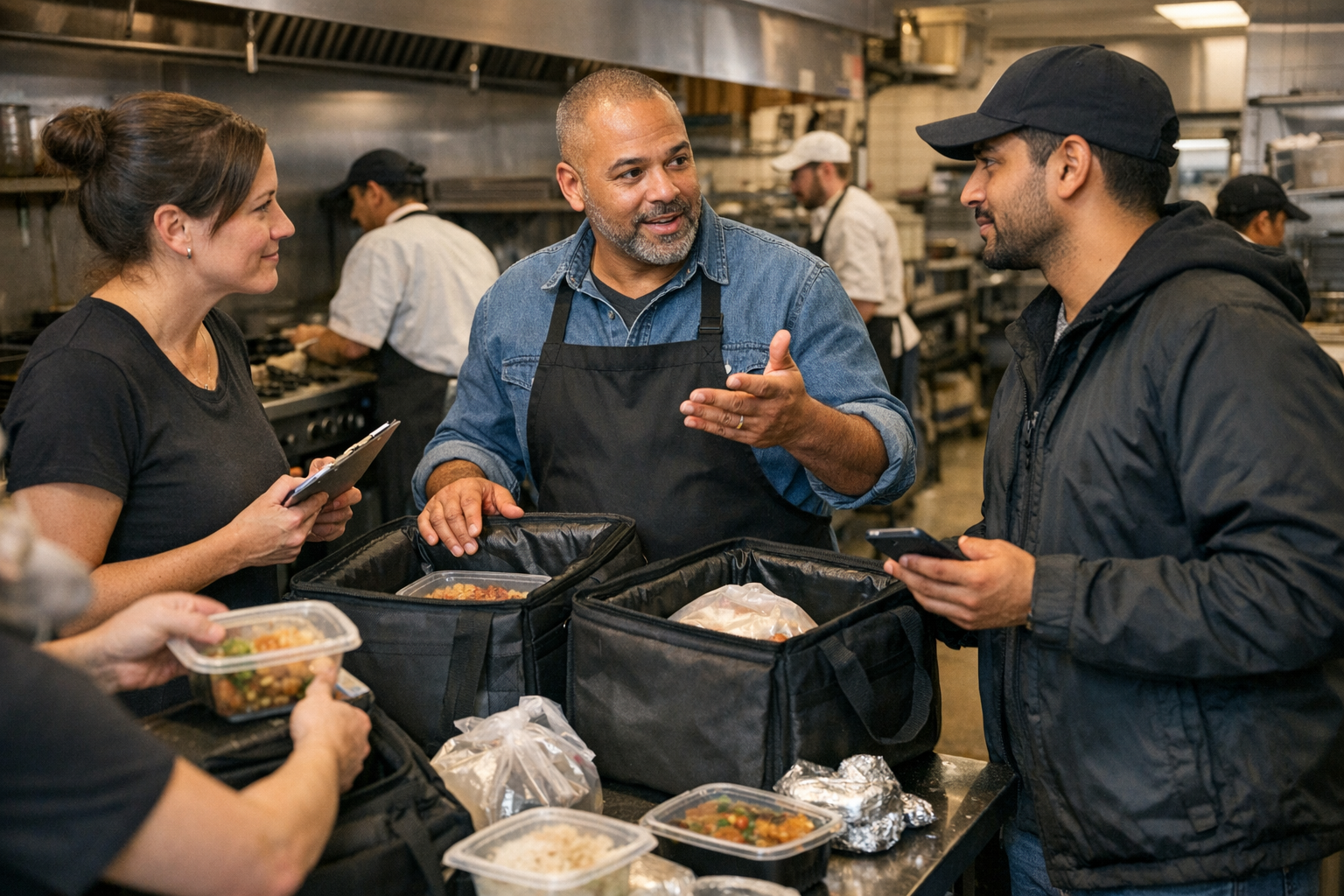
Restaurant Delivery Growth and Funding Impact: Maximizing Profits in a Competitive Market
The restaurant delivery landscape continues to evolve rapidly, with commission fees and operational costs creating significant challenges for business owners. Understanding the relationship between restaurant delivery growth and funding impact has become crucial for maintaining profitability in today's competitive environment.
Delivery platforms typically charge commission fees ranging from 25% to 35% of each order, which can severely impact profit margins that are already compressed by rising labor costs, rent, and packaging expenses. However, recent developments in the industry suggest that strategic approaches to managing these costs may help restaurants reclaim substantial portions of their revenue.
This comprehensive guide explores proven methods to optimize your delivery operations, reduce commission burdens, and create sustainable growth while managing the financial pressures that come with expanding your delivery services.
Essential Strategies to Reduce Commission Fees
Reducing commission fees requires a strategic approach that focuses on multiple areas of your delivery operations. These proven methods can help you cut commission costs while maintaining service quality.
- Negotiate directly with delivery platforms by demonstrating consistent order volumes and exploring volume-based pricing tiers that may offer reduced commission rates for high-performing restaurants.
- Implement minimum order thresholds to encourage larger transactions, which can help offset commission percentages and improve your average order value significantly.
- Develop your own delivery infrastructure when feasible, allowing you to bypass third-party platforms entirely for a portion of your orders and retain full control over customer relationships.
- Create loyalty programs that incentivize customers to order directly through your own channels, reducing dependency on high-commission platforms over time.
Understanding Commission Models and Fee Structures
Commission models are quietly changing across the delivery industry, creating new opportunities for restaurants to optimize restaurant delivery growth their fee structures and improve profitability.
- Platform fee variations differ significantly between services, with some offering tiered commission structures based on order volume, restaurant performance metrics, or exclusive partnership agreements.
- Hidden costs beyond base commissions include payment processing fees, marketing charges, and delivery fees that can add several percentage points to your total costs per order.
- Promotional fee structures may temporarily reduce commissions but often require restaurants to participate in discounting programs that can impact long-term profitability.
- Geographic pricing differences mean that commission rates may vary based on your location, market competition, and local demand patterns for delivery services.
Managing Packaging Costs and Compliance Requirements

Packaging costs represent a significant component of delivery operations that directly affects your restaurant delivery growth and funding impact calculations.
- Regulatory compliance updates for 2026 include new packaging laws that may require specific materials or labeling, potentially increasing costs but avoiding costly penalties for non-compliance.
- Bulk purchasing strategies can reduce per-unit packaging costs substantially, though this requires careful inventory management and storage space considerations for different container types.
- Sustainable packaging solutions may qualify for tax incentives or customer loyalty benefits, offsetting higher upfront costs through improved brand perception and repeat business.
- Right-sizing containers helps minimize waste and shipping costs while ensuring food quality during transport, which can reduce customer complaints and refund requests.
Leveraging Fee Waivers and Platform Incentives
Several delivery platforms are introducing fee waiver programs and incentives that can significantly reduce your commission burden when properly utilized.
- Large order promotions like fee waivers on orders over $50 can be leveraged by adjusting your menu pricing and bundling strategies to encourage customers toward higher-value transactions.
- Exclusive partnership benefits may include reduced commission rates in exchange for platform exclusivity or priority placement in search results, though these agreements require careful evaluation of trade-offs.
- Performance-based incentives reward restaurants with high ratings, fast preparation times, or low cancellation rates through reduced fees or enhanced visibility on platforms.
- Promotional calendar alignment helps you participate in platform-wide marketing campaigns that may temporarily reduce commission rates while driving increased order volume during peak periods.
Financial Planning for Delivery Growth and Funding Needs
Effective financial planning becomes essential when expanding delivery operations, as the relationship between restaurant delivery growth and funding impact requires careful management to maintain healthy cash flow.
- Cash flow forecasting must account for the delayed payment cycles common with delivery platforms, which may hold funds for 7-14 days, creating working capital challenges during growth phases.
- Equipment and infrastructure investments for delivery expansion might require additional funding, including packaging equipment, point-of-sale systems, or kitchen modifications to handle increased volume.
- Alternative financing options can provide the working capital needed to bridge payment delays and invest in growth opportunities without compromising daily operations or taking on traditional debt obligations.
- Profit margin analysis should include all delivery-related costs, from commissions and packaging to labor and utilities, to ensure that expansion efforts actually contribute to bottom-line growth rather than just revenue increases.
Successfully navigating restaurant delivery growth and funding impact requires a comprehensive approach that addresses commission fees, operational costs, and strategic financial planning. The strategies outlined in this guide can help you reduce commission fees significantly while building sustainable delivery operations.
Remember that the delivery landscape continues to evolve, with new opportunities emerging regularly for restaurants willing to adapt their strategies. By staying informed about commission model changes, leveraging platform incentives, and maintaining tight control over packaging and operational costs, you can optimize your delivery operations for long-term profitability.
The key to success lies in viewing delivery not just as an additional revenue stream, but as an integrated part of your business strategy that requires dedicated attention to financial management and operational efficiency. With the right approach, delivery can become a significant driver of growth rather than a drain on your resources.