
.png)
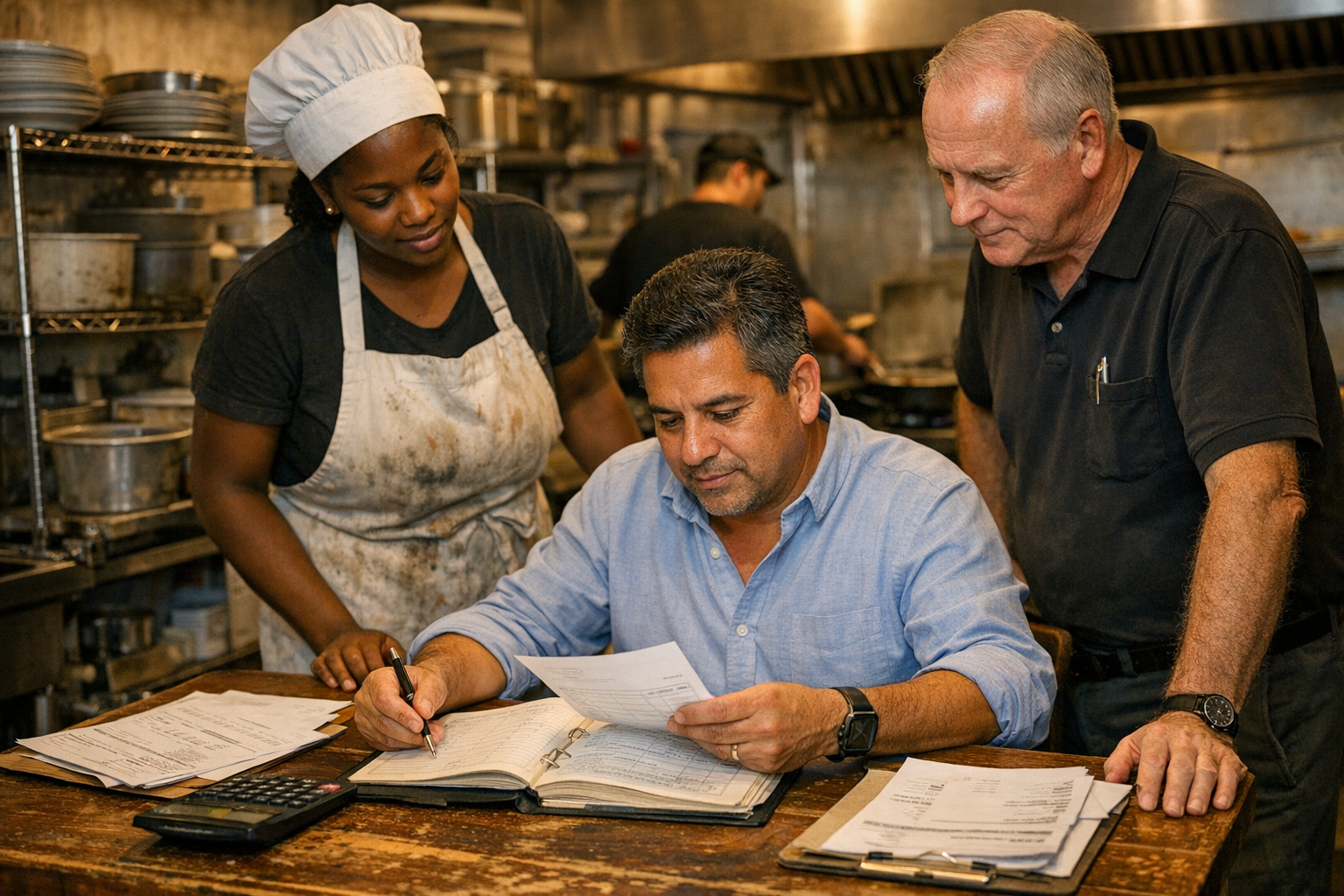
Running a restaurant might be one of the toughest businesses out there. Between fluctuating cash flow, seasonal dips, and unexpected expenses, many restaurant owners find themselves searching for the right funding solution. A restaurant funding case study breakdown can provide valuable insights into how successful establishments have navigated these challenges.
While specific case studies are limited in available research, the patterns that emerge from restaurant funding scenarios often tell similar stories. Cash flow issues typically drive the initial need for financing, but how that funding gets used and repaid varies significantly across different establishments.
Understanding these real-world applications could help restaurant owners make more informed decisions about their own funding needs. Let's explore the common themes and outcomes that tend to emerge when restaurants seek alternative financing solutions.
Common Cash Flow Challenges in Restaurant Funding
Cash flow challenges often serve as the primary catalyst for restaurant funding needs. These issues typically follow predictable patterns across the industry, though each establishment's specific circumstances may vary.
- Seasonal revenue fluctuations that create temporary shortfalls during slower months, requiring bridge financing to maintain operations
- Equipment breakdowns that demand immediate replacement or repair, often costing thousands of dollars when least expected
- Inventory management gaps where restaurants need upfront capital to stock supplies before busy periods or special events
- Payroll timing mismatches where staff payments come due before customer receipts arrive, creating temporary cash crunches
Strategic Funding Usage Patterns
How restaurants deploy their funding often determines the success of their financing decisions. Strategic funding usage tends to focus on areas that directly impact revenue generation or operational efficiency.
- Kitchen equipment upgrades that increase cooking capacity and reduce preparation time, enabling higher customer throughput
- Marketing and promotional campaigns designed to attract new customers during traditionally slow periods
- Staff training and retention programs that improve service quality and reduce costly employee turnover
- Technology implementations such as point-of-sale systems or delivery platforms that streamline operations and expand revenue channels
Revenue Growth Indicators After Funding
Measuring revenue growth after securing funding provides insight into the effectiveness of different financing approaches. While specific metrics may vary, certain indicators typically emerge in successful restaurant funding scenarios.
- Customer volume increases often become apparent within the first few months following strategic investments in equipment or marketing
- Average transaction values may rise when restaurants invest in menu expansion or service improvements
- Operational efficiency gains can reduce costs and improve profit margins, even if total revenue remains stable
- Market expansion opportunities might develop when restaurants use funding to explore catering, delivery, or special event services
Repayment Timeline Considerations
Understanding repayment timelines helps restaurant owners align their funding choices with their business cycles. Different financing options typically offer varying repayment structures that might suit different operational patterns.
- Daily or weekly repayments that align with consistent cash flow patterns, allowing restaurants to pay back funding as revenue comes in
- Seasonal adjustment capabilities that account for slower periods when restaurants might need more flexible payment terms
- Revenue-based structures where repayment amounts fluctuate based on actual business performance rather than fixed monthly amounts
- Short-term focus that allows restaurants to address immediate needs without long-term debt obligations
Key Success Factors in Restaurant Funding

Successful restaurant funding outcomes often depend on several critical factors that determine whether financing achieves its intended goals. These elements tend to separate positive outcomes from disappointing results.
- Clear funding purpose: Restaurants that define specific uses for their funding, such as equipment purchases or marketing campaigns, typically see better outcomes than those with vague plans.
- Realistic repayment planning: Understanding actual cash flow patterns and choosing repayment terms that align with revenue cycles helps prevent financial strain.
- Quick implementation: Moving rapidly from funding approval to actual deployment of the capital often maximizes the impact of the financing.
- Performance monitoring: Tracking key metrics like customer count, average ticket size, and operational efficiency helps restaurants assess whether their funding investment is working.
- Contingency preparation: Having backup plans for repayment during slower periods reduces stress and helps maintain positive lender relationships.
Common Pitfalls and How to Avoid Them
Restaurant funding scenarios that don't achieve their intended results often share certain characteristics. Learning from these patterns might help other restaurant owners avoid similar challenges.
- Overestimating immediate impact: Expecting instant revenue increases from funding investments can lead to disappointment, while realistic timelines allow for proper planning and execution.
- Ignoring seasonal variations: Failing to account for natural business cycles when planning repayments can create unnecessary financial pressure during slower months.
- Spreading funding too thin: Trying to address multiple issues simultaneously with limited funding often produces mediocre results across all areas rather than significant improvement in key areas.
- Inadequate cash flow monitoring: Not tracking the relationship between funding usage and revenue generation makes it difficult to assess success or make necessary adjustments.
Making Informed Funding Decisions
While each restaurant's situation is unique, understanding common patterns in funding outcomes can guide decision-making. The most successful restaurant funding case study breakdown examples typically show clear connections between specific funding uses and measurable business improvements. Whether you're dealing with equipment needs, cash flow gaps, or growth opportunities, taking time to plan your approach could make all the difference in your results.
Restaurant funding decisions carry significant weight for business owners trying to navigate an already challenging industry. While comprehensive case studies may be limited, the patterns that emerge from restaurant funding scenarios often provide valuable guidance for decision-making.
Success typically comes down to matching the right funding solution with specific business needs, implementing changes quickly, and maintaining realistic expectations about timelines and outcomes. Cash flow issues might drive the initial search for funding, but how that capital gets deployed usually determines whether the financing achieves its intended goals.
If you're considering funding options for your restaurant, taking time to define clear objectives and understand your repayment capacity could set the foundation for a positive outcome. Every establishment's journey is different, but learning from common patterns might help you make more informed choices for your business.