
.png)

Understanding Retail Funding: How Much Can You Realistically Borrow
When it comes to retail funding: how much can you realistically borrow often depends on several key factors that lenders carefully evaluate. Your business's revenue cycles, payment history, and profit margins play crucial roles in determining your borrowing capacity. Unlike traditional financing options that might require extensive collateral or perfect credit scores, many retail funding solutions focus on your actual sales performance and cash flow patterns.
The retail industry's unique characteristics, including seasonal fluctuations and varying customer payment behaviors, create specific challenges when seeking funding. Understanding these factors can help you set realistic expectations and choose the right financing option for your business needs.
Key Factors That Determine Your Borrowing Capacity
Several key factors determine your borrowing capacity when seeking retail funding, and understanding these elements can help you prepare a stronger application.
- Monthly Revenue Performance: Lenders typically examine your average monthly sales over the past 6-12 months to assess your business's earning potential and stability.
- Credit Card Processing Volume: For merchant cash advances, your daily credit card transactions often serve as the primary qualification metric, with some providers offering advances based on future sales.
- Time in Business: Most alternative lenders prefer businesses that have been operating for at least 6-12 months, though some may work with newer establishments that show strong early performance.
- Bank Account Activity: Regular deposits and healthy cash flow patterns in your business banking history demonstrate your ability to manage repayments effectively.
How Revenue Cycles Impact Your Funding Options
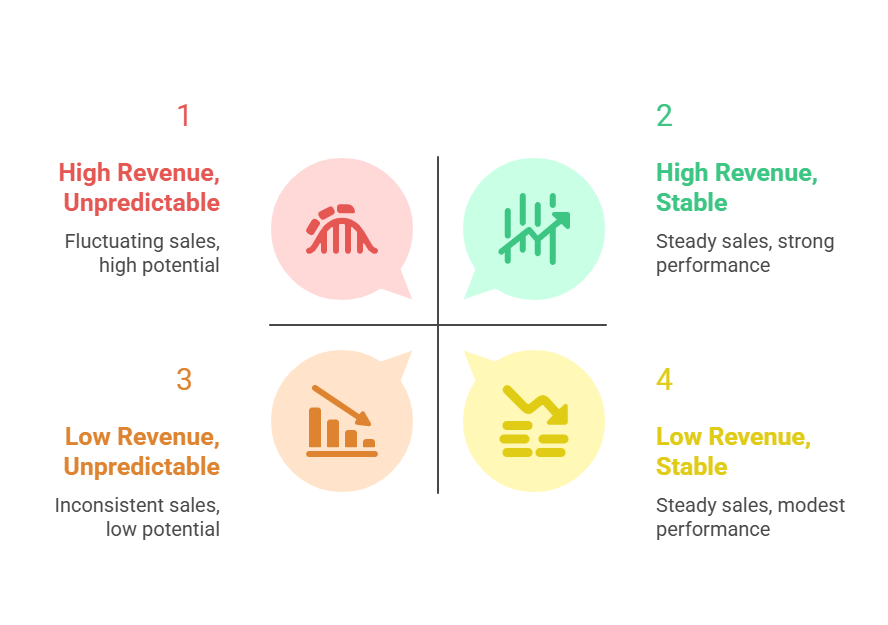
Revenue cycles significantly impact your funding options, particularly in retail businesses where sales patterns can vary dramatically throughout the year.
- Seasonal Variations: Retailers with strong holiday seasons might qualify for higher advance amounts during peak periods, while those with consistent year-round sales may receive more stable funding terms.
- Weekly Sales Patterns: Businesses with steady weekly performance often find it easier to secure funding compared to those with erratic sales cycles that make repayment scheduling challenging.
- Cash Flow Timing: The gap between inventory purchases and customer payments affects how lenders view your ability to handle daily or weekly repayments without straining operations.
- Growth Trends: Consistent upward revenue patterns over several months can help justify larger funding amounts, even if your current monthly volume seems modest.
The Role of Payment History in Funding Decisions
Your payment history serves as a crucial indicator of financial reliability, though alternative lenders may weigh this factor differently than traditional banks.
- Business Credit Profile: While some alternative lenders focus less on perfect credit scores, a history of timely business payments can significantly improve your borrowing capacity and terms.
- Previous Funding Experience: Successfully repaying earlier advances or financing arrangements demonstrates your ability to manage debt responsibly, potentially leading to larger future funding offers.
- Banking Relationship Stability: Consistent banking relationships without frequent overdrafts or returned payments indicate sound financial management practices that lenders value.
- Vendor Payment Patterns: Regular, timely payments to suppliers and service providers reflect your commitment to meeting financial obligations, even during challenging periods.
Understanding How Margins Affect Your Borrowing Power
Understanding how margins affect your borrowing power is essential for setting realistic funding expectations and choosing appropriate repayment terms.
- Calculate Your True Profit Margins: Lenders may evaluate your gross margins to ensure you can handle repayments while maintaining operations, particularly important for daily or weekly payment structures.
- Consider Seasonal Margin Variations: Retail businesses often experience margin fluctuations due to promotional periods, clearance sales, or seasonal pricing strategies that affect your overall profitability.
- Factor in Operating Expense Ratios: The relationship between your revenue and fixed costs helps determine how much of your income can realistically go toward funding repayments.
- Account for Inventory Turnover Impacts: Fast-moving inventory with quick turnover might support higher borrowing amounts compared to businesses with slower inventory cycles.
When considering retail funding: how much can you realistically borrow depends on a combination of factors unique to your business situation. Your revenue cycles, payment history, and profit margins work together to create a financial profile that lenders use to determine your borrowing capacity.
Rather than focusing solely on the maximum amount available, consider what level of funding aligns with your business's ability to repay comfortably while maintaining healthy operations. The goal should be securing enough capital to achieve your business objectives without creating unnecessary financial strain.
Before applying for any funding option, take time to analyze your monthly cash flow patterns, calculate your true profit margins, and honestly assess your repayment capacity. This preparation will help you approach lenders with realistic expectations and increase your chances of securing funding terms that support your business's long-term success.