
.png)
Scaling Your Fabrication Shop for Sustainable Growth
Running a successful fabrication shop requires more than just quality workmanship. Today's competitive landscape demands smart strategies that can help your business grow efficiently while maintaining profitability. The top 6 scalable strategies for fabrication shops focus on automation, workflow optimization, and strategic positioning that enables sustainable expansion. These approaches might transform how you operate, allowing you to handle increased demand without proportionally increasing costs or complexity.
Essential Automation Technologies for Growth

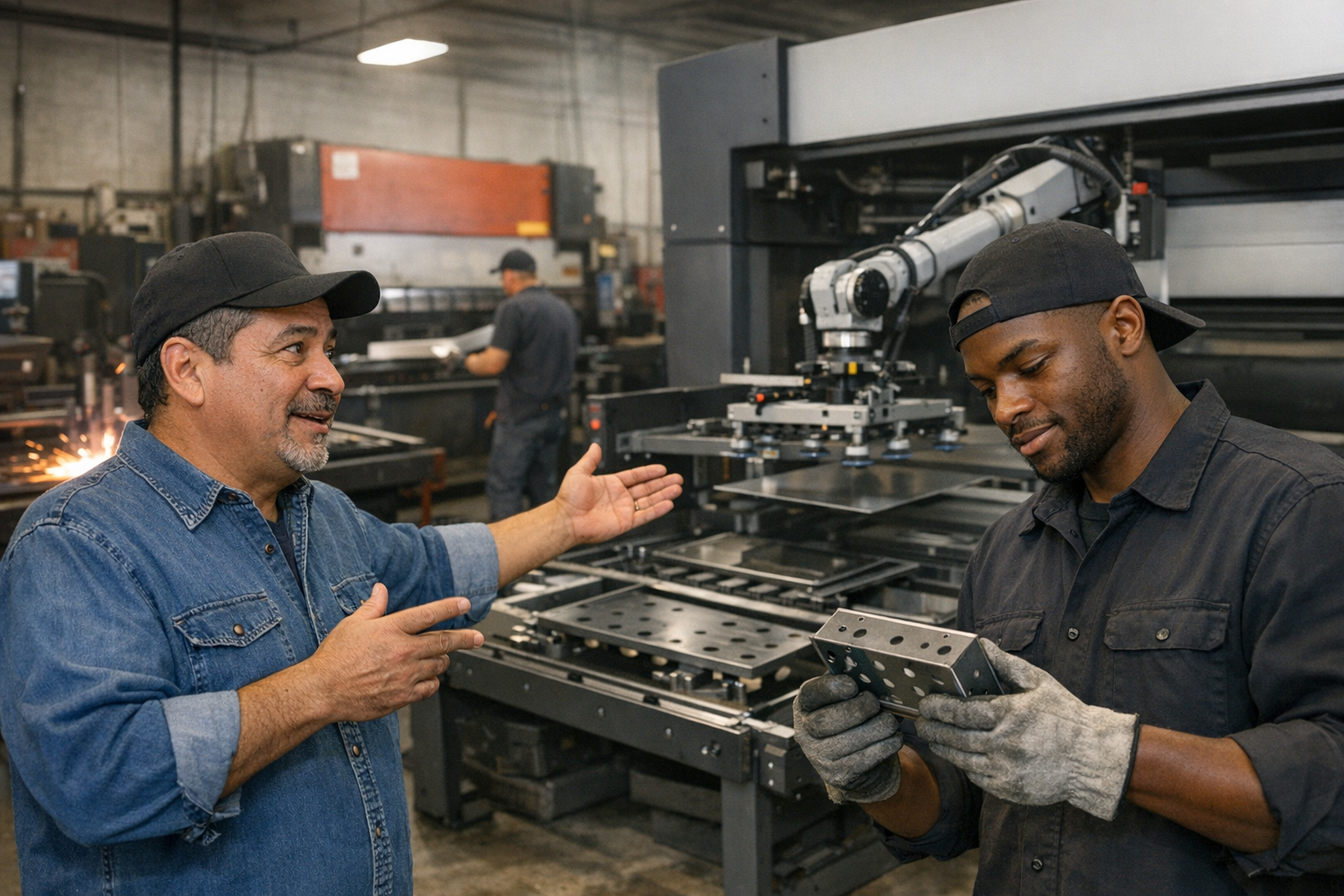
Essential automation technologies for growth represent one of the most impactful approaches fabrication shops can adopt. Automation is transforming metal fabrication by minimizing waste, reducing rework, and enabling around-the-clock production capabilities.
- Robotic welding systems that provide consistent quality while reducing labor costs and production time
- Smart technology integration that monitors equipment performance and predicts maintenance needs
- Automated material handling systems that streamline workflow and reduce manual labor requirements
- Quality control sensors that detect issues in real-time, preventing costly rework and material waste
Critical Workflow Redesign Elements
Critical workflow redesign elements focus on eliminating bottlenecks and optimizing production flow. Strategic workflow improvements can significantly enhance throughput while maintaining quality standards across all operations.
- Production scheduling optimization to minimize downtime and maximize equipment utilization
- Material flow analysis that identifies and eliminates unnecessary movement or storage steps
- Cross-training programs that create flexible staffing capabilities during peak demand periods
- Digital work order systems that provide real-time visibility into project status and resource allocation
Strategic Niche Specialization Approaches
Strategic niche specialization approaches allow fabrication shops to command higher margins while reducing direct competition. Focusing on specific industries or applications might provide better profit opportunities than general fabrication work.
- Industry-specific certifications that open doors to regulated markets with higher profit potential
- Specialized equipment investments like tube plasma cutting that enable unique service offerings
- Custom solution development that positions your shop as a problem-solving partner rather than commodity provider
- Technical expertise building in emerging materials or advanced manufacturing techniques
Step-by-Step Automation Implementation Process
Step-by-step automation implementation process ensures smooth integration without disrupting current operations. Implementing automation requires careful planning to maximize return on investment while minimizing operational disruption.
- Assess current operations to identify repetitive tasks and bottlenecks where automation could provide immediate benefits
- Calculate ROI potential for different automation options, considering both direct cost savings and productivity improvements
- Start with pilot projects that demonstrate value before making larger automation investments across the facility
- Train staff thoroughly on new systems to ensure proper operation and maintenance of automated equipment
- Monitor and optimize automated processes continuously to maximize efficiency gains and identify additional opportunities
Advanced Staffing Strategies for Scalability
Advanced staffing strategies for scalability help fabrication shops manage growth without compromising quality or efficiency. Smart staffing approaches can adapt to fluctuating demand while maintaining operational consistency.
- Develop multi-skilled technicians who can work across different processes and equipment types as demand shifts
- Create apprenticeship programs that build a pipeline of skilled workers while reducing long-term recruitment costs
- Implement flexible scheduling that can accommodate increased production during busy periods without permanent overhead increases
- Partner with staffing agencies that specialize in manufacturing to access qualified temporary workers when needed
- Invest in continuous training to keep staff current with new technologies and manufacturing techniques
Technology Integration and Digital Transformation
Technology integration and digital transformation enable fabrication shops to compete more effectively in modern markets. Adaptive welding technologies and other innovations can reduce costs while improving overall product quality.
- Implement ERP systems that provide comprehensive visibility into operations, inventory, and financial performance
- Adopt CAD/CAM integration that streamlines the transition from design to production with fewer errors
- Utilize predictive maintenance software that reduces unexpected equipment failures and extends machinery life
- Deploy quality management systems that track performance metrics and identify improvement opportunities
- Integrate customer portals that provide real-time project updates and increase efficiency
Key Takeaways for Fabrication Shop Success
Key takeaways for fabrication shop success center on strategic implementation of these scalable approaches. The most successful fabrication shops typically combine multiple strategies rather than relying on single solutions. Automation might provide the foundation for efficiency, while workflow redesign ensures optimal resource utilization. Niche specialization can differentiate your services in competitive markets, and advanced staffing strategies provide the flexibility needed for sustainable growth. Technology integration ties everything together, creating systems that support scalable operations. Remember that these strategies work best when implemented gradually, allowing your team to adapt and optimize each component before adding complexity.
Implementing these top 6 scalable strategies for fabrication shops requires careful planning and adequate funding to support growth initiatives. Whether you're investing in automation equipment, redesigning workflows, or expanding your specialized capabilities, having access to flexible financing can accelerate your transformation timeline. Consider how the right funding partner might help you implement these strategies more quickly, allowing you to capture market opportunities while competitors are still planning their next moves.