
.png)

Understanding When a Business Line of Credit Makes Sense
Smart business owners know that timing is everything, especially when it comes to financing decisions. A business line of credit can be a game-changer when deployed at the right moment, but knowing exactly when that moment arrives isn't always clear cut. With interest rates expected to improve in 2026 and lending conditions becoming more favorable, understanding when a business line of credit makes sense has never been more important for your company's financial strategy.
Unlike traditional financing options, a line of credit offers the flexibility to draw funds only when needed and pay interest solely on what you use. This unique structure makes it particularly valuable in specific business scenarios that many entrepreneurs face regularly.
Essential Tips for Managing Seasonal Revenue Gaps
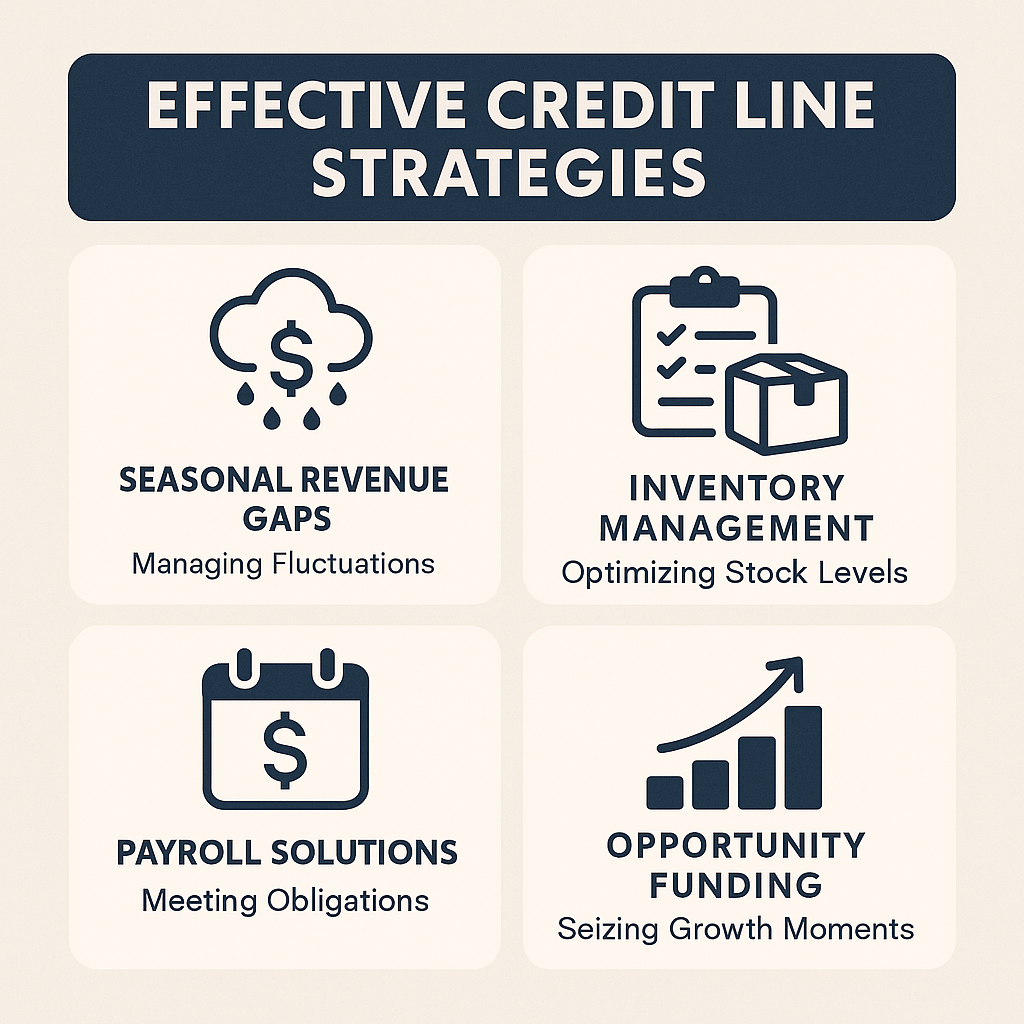
Managing seasonal revenue gaps becomes much more manageable with the right financing strategy. Many businesses experience predictable income fluctuations throughout the year, making it crucial to have access to flexible funding during slower periods.
- Plan ahead for predictable downturns: If your business typically sees reduced revenue during certain months, establish your line of credit during peak seasons when your financial position looks strongest. This proactive approach ensures you'll have access to funds when cash flow naturally dips.
- Bridge the gap between seasons: Use your credit line to maintain operations during transition periods, covering essential expenses like rent, utilities, and skeleton staff wages. This strategy keeps your business running smoothly until revenue picks up again.
- Prepare for unexpected seasonal shifts: Sometimes seasonal patterns change due to economic conditions or market trends. Having a line of credit ready means you can adapt quickly without scrambling for emergency funding when revenue doesn't materialize as expected.
Strategic Inventory Management Through Credit Lines
Strategic inventory management often requires significant upfront investment, especially when you need to stock up for busy periods or take advantage of bulk purchasing opportunities. A business line of credit can provide the working capital necessary to optimize your inventory cycles effectively.
- Stock up for high-demand periods: Whether you're preparing for holiday rushes or seasonal fluctuations, a credit line allows you to purchase inventory in advance without depleting your cash reserves. This approach helps you capture maximum sales during peak periods.
- Take advantage of supplier discounts: Many suppliers offer substantial discounts for bulk purchases or early payments. With a line of credit, you can capitalize on these savings opportunities even when your cash flow might otherwise prevent large upfront purchases.
- Maintain optimal stock levels: Avoid stockouts that cost you sales by using your credit line to reorder inventory quickly. This flexibility helps you respond to unexpected demand spikes or supply chain disruptions that might otherwise hurt your business.
Payroll Timing Solutions for Growing Teams
Payroll timing challenges can create serious headaches for business owners, particularly when invoice payments arrive later than expected or when you're scaling your team. A line of credit provides the safety net you need to meet payroll obligations consistently.
- Bridge invoice payment delays: Client payments don't always arrive on schedule, but your employees still need their paychecks on time. A credit line ensures you can maintain regular payroll schedules regardless of when your receivables actually come in, protecting your reputation as a reliable employer.
- Support team expansion phases: When you're hiring new employees or increasing hours for existing staff, the additional payroll expenses can strain your cash flow before the extra productivity translates into increased revenue. Credit lines help smooth this transition period.
- Handle unexpected payroll increases: Overtime pay, bonuses, or temporary staffing needs can create unplanned payroll expenses. Having access to a credit line means these situations won't force you to delay payments or scramble for emergency funding at the last minute.
Smart Approaches to Opportunity Funding
Smart approaches to opportunity funding require quick access to capital when time-sensitive chances arise. Business opportunities often come with tight deadlines, making a pre-established line of credit invaluable for seizing growth moments.
- Equipment purchases and upgrades: When essential equipment breaks down or when new technology becomes available that could boost your efficiency, you need funding fast. A credit line lets you make these investments immediately rather than losing productivity while waiting for financing approval.
- Expanding into new markets: Market expansion opportunities may require upfront investments in marketing, inventory, or additional staff. Having a credit line ready means you can move quickly to establish your presence before competitors do.
- Taking advantage of bulk deals: Suppliers sometimes offer limited-time deals on raw materials or products that could significantly reduce your costs. With a line of credit, you can jump on these opportunities even if the timing doesn't align perfectly with your cash flow cycle.
- Acquiring distressed assets: Sometimes valuable assets become available at below-market prices due to other businesses' financial difficulties. Quick access to funding through a credit line allows you to capitalize on these situations that could strengthen your competitive position.
Timing Your Credit Line Application Strategically
Timing your credit line application strategically can significantly impact both your approval odds and the terms you receive. With lending conditions expected to improve as interest rates may fall in 2026, business owners should consider their application timing carefully.
- Apply during strong financial periods: Lenders evaluate your current financial health when making approval decisions. Submit your application when your revenue is steady, your cash flow is positive, and your business metrics look their strongest.
- Plan before you actually need the funds: Don't wait until you're facing a cash crunch to apply for a line of credit. The approval process takes time, and lenders prefer working with businesses that plan ahead rather than those seeking emergency funding.
- Consider seasonal factors in your industry: If your business has predictable busy seasons, apply during or just after these peak periods when your financial statements reflect your highest performance levels.
- Monitor interest rate trends: With rates potentially declining in 2026, keep an eye on market conditions and consider timing your application to take advantage of more favorable borrowing costs that could reduce your overall financing expenses.
Common Scenarios Where Credit Lines Shine
Common scenarios where credit lines shine often involve situations that require flexible, readily available funding rather than large, one-time capital injections. Understanding these situations helps business owners recognize when this financing tool makes the most sense.
- Covering operational expenses during growth phases: When your business is expanding, revenue growth often lags behind increased expenses. A credit line helps bridge this gap, covering higher rent, additional staff costs, and increased utilities while your customer base catches up.
- Managing irregular cash flow patterns: Businesses with project-based revenue or clients who pay on extended terms benefit enormously from credit line flexibility. You can draw funds during lean periods and pay them back when large payments arrive.
- Handling emergency repairs and maintenance: Critical equipment failures or facility issues can't wait for financing approval. A pre-established credit line ensures you can address these urgent needs immediately, minimizing downtime and potential revenue loss.
- Supporting marketing and advertising campaigns: Effective marketing often requires upfront investment before you see returns. Credit lines allow you to fund advertising campaigns, trade show participation, or promotional activities that drive future sales growth.
Recognizing when a business line of credit makes sense for your company requires understanding your cash flow patterns, growth plans, and operational needs. Whether you're managing seasonal gaps, optimizing inventory cycles, ensuring smooth payroll timing, or funding new opportunities, a well-timed credit line can provide the financial flexibility that keeps your business running smoothly.
With lending conditions potentially improving in 2026, now might be an ideal time to explore your options and establish a credit line before you actually need it. Remember, the best time to secure financing is when you don't desperately need it, giving you the leverage to negotiate better terms and the peace of mind that comes with financial preparedness.
Consider your business's unique situation and timing needs, then take action to position yourself for success. A strategic approach to business credit lines can transform how you handle operational challenges and capitalize on growth opportunities.