.png)

Running a restaurant comes with unique financial challenges that can test even the most experienced owner's cash flow management skills. From unpredictable seasonal shifts to unexpected equipment breakdowns, the dining industry presents scenarios where traditional budgeting might fall short. Understanding when a business line of credit makes sense for restaurants can mean the difference between thriving through tough times and struggling to keep doors open.
A business line of credit offers restaurant owners flexible access to funds, allowing them to draw money as needed and pay interest only on what they use. This financing option can serve as a financial safety net during slower periods while providing the agility to seize opportunities when they arise. Let's explore the key situations where this funding solution becomes particularly valuable for restaurant operations.
Essential Tips for Timing Your Credit Line Application
Essential tips for timing your credit line application can help restaurant owners secure financing before they actually need it. The best time to apply for a business line of credit is typically when your restaurant is performing well financially, as lenders prefer to work with businesses that demonstrate strong cash flow and revenue patterns.
- Apply during peak seasons: When your restaurant shows consistent revenue streams, lenders view your application more favorably. This timing also allows you to prepare for upcoming slower periods with funding already in place.
- Plan ahead of known challenges: If you know certain months bring reduced foot traffic, applying 3-6 months in advance ensures you have access to funds when needed. This proactive approach prevents last-minute financial stress during tough periods.
- Consider your credit history timing: Apply when your business credit score is at its strongest and after you've built relationships with suppliers and vendors. Strong business relationships can serve as references and demonstrate operational stability to potential lenders.
Strategic Uses for Seasonal Revenue Management

Strategic uses for seasonal revenue management become crucial when restaurants face predictable dips in customer traffic throughout the year. Many dining establishments experience significant variations in revenue due to factors like weather, holidays, local events, or tourism patterns that can strain cash flow during slower months.
- Bridge income gaps during slow seasons: Use your credit line to maintain steady operations when customer volume drops, ensuring you can continue paying staff and covering essential expenses. This approach helps retain valuable employees who might otherwise seek work elsewhere during extended slow periods.
- Maintain marketing efforts year-round: Continue promotional activities and advertising campaigns even during slower months to build awareness for busier seasons ahead. Consistent marketing presence helps maintain brand visibility in your community when competitors might be cutting back on their outreach efforts.
- Prepare for peak season demands: Access funds before busy periods to stock up on inventory, hire additional staff, or upgrade equipment that will handle increased customer volume. This preparation ensures your restaurant can capitalize on high-demand periods without being caught short-staffed or under-supplied.
Managing Supplier Payments and Cash Flow
Managing supplier payments and cash flow represents one of the most practical applications of a business line of credit for restaurant operations. Food suppliers often require payment within specific timeframes, and maintaining good relationships with these vendors is essential for consistent operations and favorable pricing terms.
- Maintain vendor relationships: Use credit line funds to meet payment deadlines with key suppliers, preserving important business relationships that provide quality ingredients and reliable service. Strong vendor partnerships often lead to better pricing, priority service, and more flexible terms during challenging periods.
- Take advantage of early payment discounts: Many suppliers offer discounts for payments made within shorter timeframes, and accessing credit line funds can help capture these savings opportunities. These discounts can add up significantly over time, potentially offsetting some of the interest costs associated with using your credit line.
- Smooth out payment timing mismatches: When customer payments and supplier bills don't align perfectly, a credit line helps bridge these gaps without disrupting operations. This flexibility allows you to maintain consistent inventory levels and service quality regardless of temporary cash flow fluctuations.
Emergency Response Funding Strategies
Emergency response funding strategies help restaurants address unexpected challenges that could otherwise force temporary closures or service disruptions. The restaurant industry faces numerous potential emergencies, from equipment failures to sudden repairs, that require immediate financial attention to maintain operations.
- Equipment breakdown coverage: When critical kitchen equipment fails unexpectedly, having immediate access to funds allows for quick repairs or replacements without disrupting service for extended periods.
- Urgent facility repairs: Address structural issues, plumbing problems, or health department compliance requirements promptly to avoid forced closures that could damage your reputation and revenue stream.
- Staff emergency coverage: Handle situations where you need to quickly hire temporary staff or pay overtime during unexpected busy periods or when regular employees are unavailable due to illness or emergencies.
- Supply chain disruptions: Secure alternative suppliers or pay premium prices for essential ingredients when your regular vendors experience delays or shortages that could affect your menu offerings.
Operational Expansion and Growth Opportunities
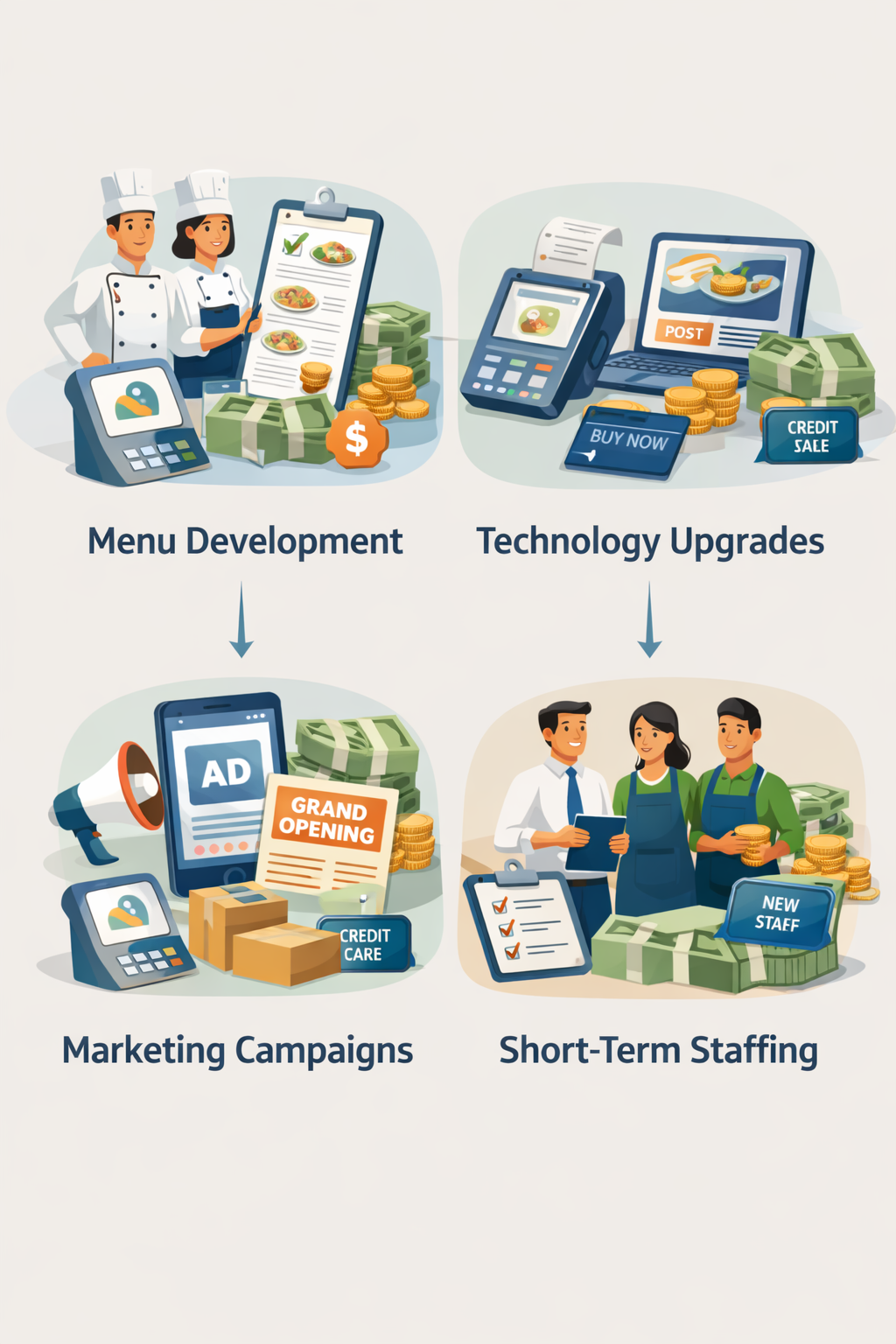
Operational expansion and growth opportunities often arise suddenly in the restaurant business, requiring quick access to capital to take advantage of time-sensitive situations. A business line of credit provides the flexibility to pursue these opportunities without lengthy approval processes that might cause you to miss valuable chances for growth.
- Menu development and testing: Fund the development of new menu items, seasonal specials, or catering services that could attract new customers and increase revenue streams without waiting for cash flow improvements.
- Technology upgrades: Implement point-of-sale systems, online ordering platforms, or kitchen technology that improves efficiency and customer experience, potentially providing competitive advantages in your market.
- Marketing campaign launches: Execute targeted advertising campaigns, grand reopening events, or promotional activities that drive customer traffic during specific periods or after implementing operational changes.
- Short-term staffing increases: Hire additional team members during trial periods for new services or extended hours, allowing you to test market demand before making permanent staffing commitments.
Key Factors That Determine Credit Line Success
Key factors that determine credit line success help restaurant owners evaluate whether this financing option aligns with their specific business situation and financial management capabilities. Understanding these elements can help you make informed decisions about when and how to use a business line of credit effectively.
- Consistent revenue patterns: Restaurants with established customer bases and predictable income streams typically qualify for better terms and higher credit limits, making this financing option more valuable for their operations.
- Strong financial management: Businesses that maintain accurate financial records, monitor cash flow regularly, and demonstrate responsible credit usage often receive more favorable rates and terms from lenders.
- Clear repayment strategy: Having a specific plan for how and when you'll repay borrowed funds shows lenders that you understand the responsibility involved and can manage the credit line effectively without overextending your business.
- Industry experience and stability: Restaurant owners with proven track records in the industry and stable operations may find better financing options and more flexible terms from lenders who understand their business model.
Determining when a business line of credit makes sense for restaurants requires careful consideration of your specific operational challenges and financial situation. This flexible financing tool can provide crucial support during seasonal dips, help manage supplier payments, and ensure you're prepared for emergency needs that could otherwise disrupt your business.
The key to success lies in understanding your restaurant's cash flow patterns and having a clear strategy for using and repaying the credit responsibly. When used strategically, a business line of credit becomes more than just emergency funding, it transforms into a powerful tool for maintaining operational stability and pursuing growth opportunities in the competitive restaurant industry.