.png)
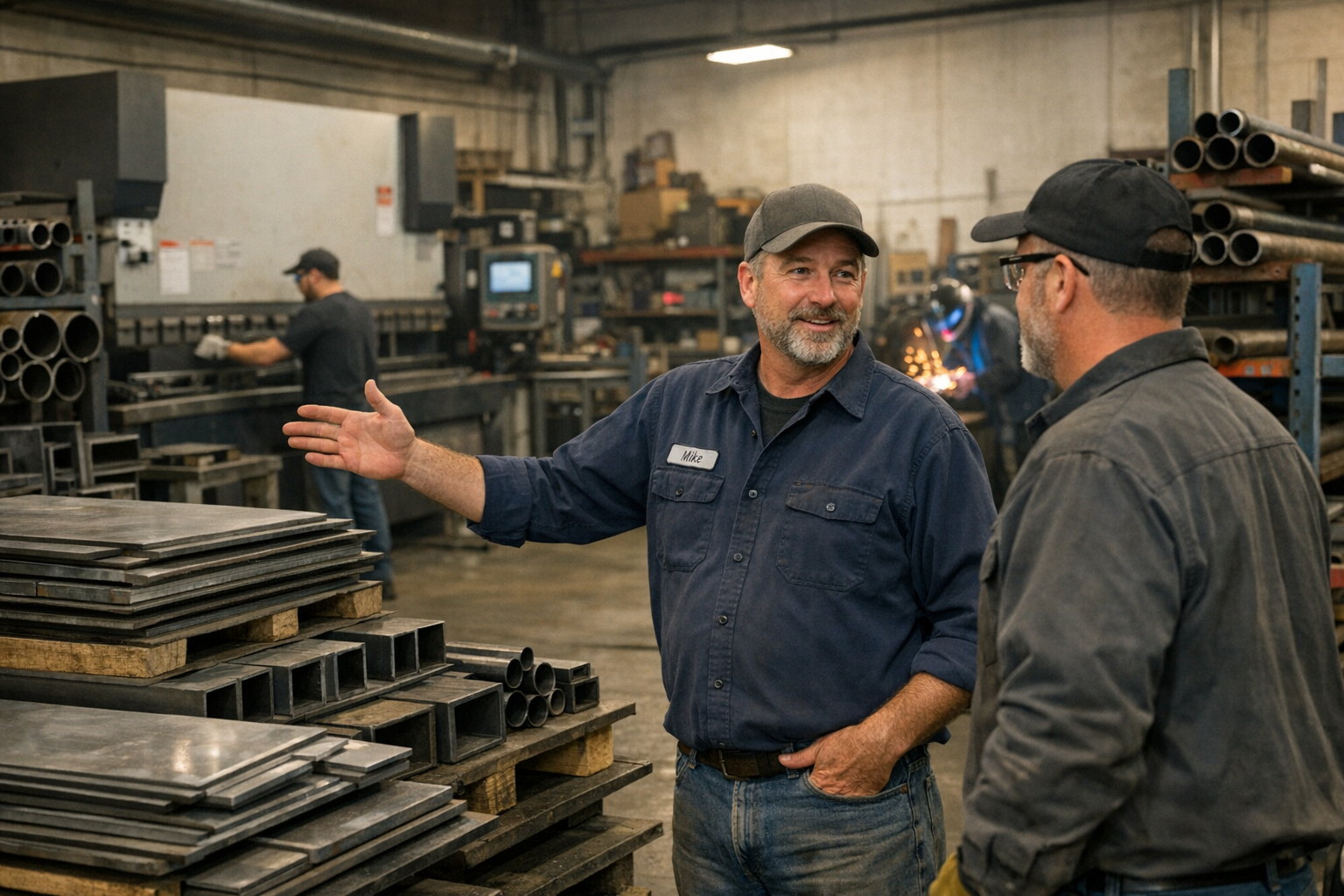
Managing cash flow in fabrication shops requires a solid understanding of working capital calculation for fabrication shops. Unlike other industries, fab shops face unique challenges with fluctuating metal costs, varying machine time requirements, and skilled labor expenses that can significantly impact daily operations. When you're running a fabrication business, knowing exactly how much working capital you need isn't just helpful, it's essential for survival and growth.
The fabrication industry operates on tight margins, and understanding your working capital needs can make the difference between thriving and merely surviving. Many shop owners struggle with cash flow issues because they don't properly calculate their working capital requirements, leading to situations where they can't purchase materials or pay workers when orders come in.
Key Components of Fabrication Shop Working Capital
Working capital calculation for fabrication shops involves understanding the specific components that affect your business daily. These elements work together to determine how much cash you need to keep operations running smoothly.
- Current Assets: This includes cash on hand, accounts receivable from completed projects, and inventory of raw materials like steel, aluminum, and specialized components
- Current Liabilities: Monthly expenses such as rent, utilities, insurance premiums, and accounts payable to material suppliers
- Work-in-Progress Inventory: The value of partially completed projects that tie up resources but haven't generated revenue yet
- Equipment Financing Payments: Monthly obligations for machinery, welding equipment, and specialized tools that keep your shop operational
Understanding Metal Costs Impact on Cash Flow
Metal costs represent one of the most volatile components in fabrication shop finances, and they directly influence your working capital needs. Understanding how these costs affect your cash flow helps you plan better for material purchases and project pricing.
- Price Volatility: Steel and aluminum prices can fluctuate significantly based on market conditions, affecting your material costs from week to week
- Bulk Purchasing Benefits: Buying materials in larger quantities might reduce per-unit costs but requires more working capital upfront
- Inventory Carrying Costs: Storing materials ties up cash and includes costs for warehousing, insurance, and potential waste from unused stock
- Supplier Payment Terms: Net 30 or net 60 payment arrangements with suppliers can help manage cash flow but may affect your pricing negotiations
Machine Time Calculations and Resource Planning
Accurately calculating machine time requirements helps fabrication shops determine working capital needs more precisely. This involves understanding both direct costs and the opportunity costs of equipment usage.
- Hourly Operating Costs: Include electricity, maintenance, tooling replacement, and depreciation for each piece of equipment in your shop
- Setup and Changeover Time: Factor in the time needed to configure machines for different jobs, which affects overall productivity and cash flow timing
- Capacity Utilization: Understanding your maximum production capacity helps determine when you might need additional working capital for expansion or outsourcing
- Equipment Downtime Costs: Plan for maintenance schedules and unexpected repairs that can disrupt cash flow and project timelines
Labor Cost Management in Working Capital Planning
Labor costs in fabrication shops often represent a significant portion of working capital requirements, and managing these expenses effectively is crucial for maintaining healthy cash flow.
- Skilled Worker Premiums: Certified welders and experienced fabricators command higher wages, affecting your labor cost calculations and working capital needs
- Benefits and Insurance Costs: Workers' compensation, health insurance, and other benefits can add 20-30% to base wage costs
- Overtime Considerations: Rush jobs may require overtime pay, which impacts both project profitability and immediate cash flow requirements
- Training and Development Costs: Investing in employee skills may require upfront working capital but can improve efficiency and reduce long-term costs
Step-by-Step Working Capital Calculation Method

Following a systematic approach to working capital calculation for fabrication shops ensures you don't miss important factors that could affect your business operations. This method helps you determine exactly how much cash you need to maintain smooth operations.
- Calculate Current Assets: Add up your cash, accounts receivable, raw material inventory, and work-in-progress at current market values
- Determine Current Liabilities: List all obligations due within 12 months, including supplier payments, loan payments, and operational expenses
- Apply the Basic Formula: Subtract current liabilities from current assets to get your net working capital position
- Factor in Seasonality: Adjust calculations for busy and slow periods that commonly affect fabrication shops throughout the year
- Add Safety Buffer: Include an additional 10-20% cushion for unexpected expenses or opportunities that might arise
Optimizing Working Capital Through Strategic Planning
Strategic planning can significantly improve how fabrication shops manage their working capital, leading to better cash flow and improved financial stability. Industry insights suggest that shops focusing on strategic financial management tend to perform better during challenging market conditions.
- Negotiate Better Payment Terms: Work with customers to receive deposits upfront or progress payments that improve cash flow timing
- Implement Inventory Management Systems: Track material usage patterns to optimize purchasing and reduce excess inventory that ties up working capital
- Diversify Revenue Streams: Balance large projects with smaller, quicker jobs that generate faster cash flow and reduce dependency on single clients
- Monitor Key Performance Indicators: Track metrics like days in accounts receivable and inventory turnover to identify areas for improvement
Building Financial Resilience for Future Growth
Creating a robust financial foundation through proper working capital management positions fabrication shops for sustainable growth and helps them navigate market uncertainties more effectively. As industry conditions continue to evolve, having adequate working capital becomes increasingly important for maintaining competitive advantage and operational flexibility.
Mastering working capital calculation for fabrication shops isn't just about crunching numbers, it's about understanding the unique dynamics of your business and planning accordingly. By carefully considering metal costs, machine time, and labor expenses, you can develop a clearer picture of your financial needs and make better decisions for your shop's future.
Remember that working capital management is an ongoing process, not a one-time calculation. Regular reviews and adjustments based on changing market conditions, project types, and business growth will help you maintain the financial flexibility needed to succeed in the competitive fabrication industry. When you have a solid grasp of your working capital needs, you're better positioned to take advantage of opportunities and weather unexpected challenges.