.png)
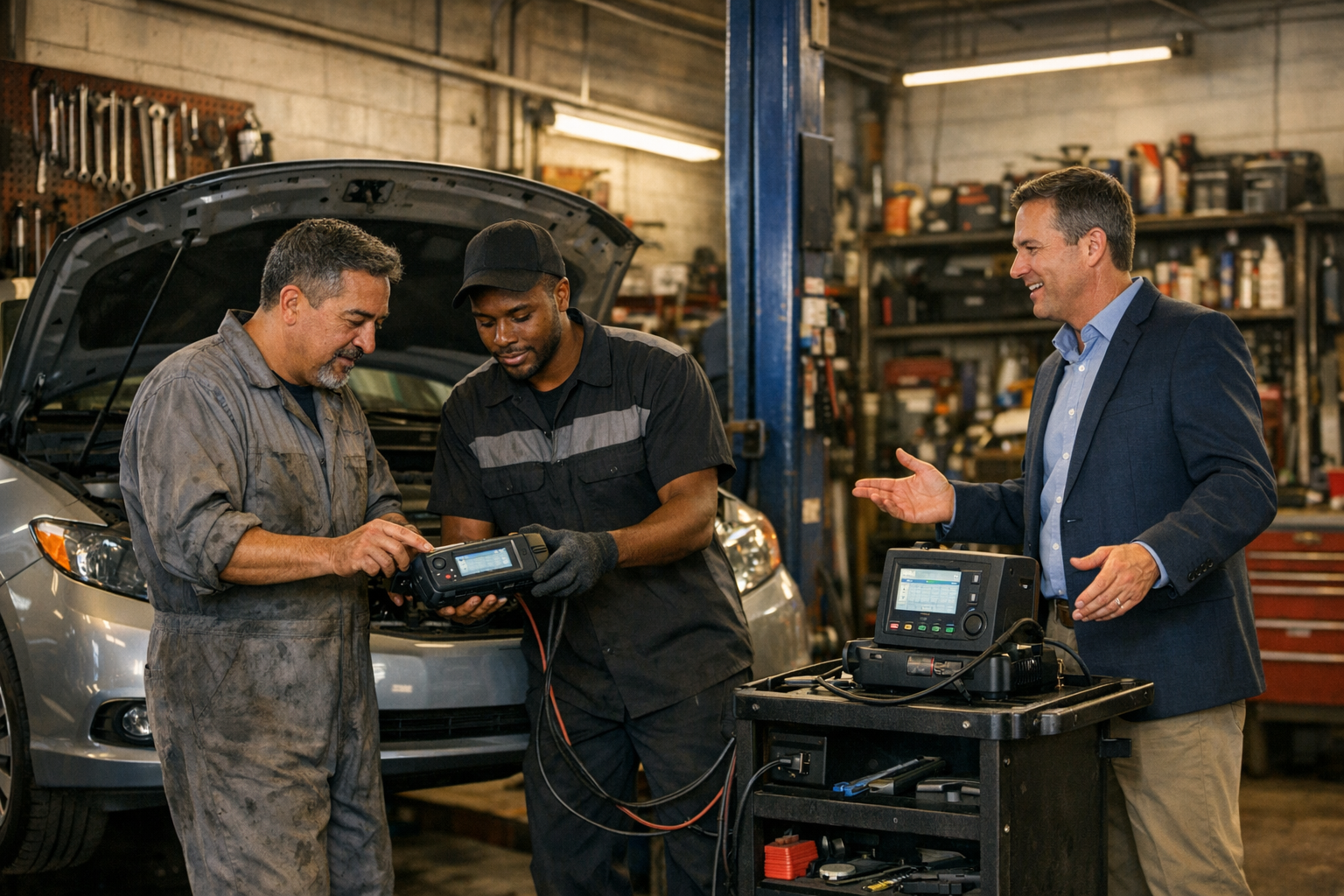
The automotive repair landscape has changed dramatically over the past decade. Modern vehicles are equipped with sophisticated computer systems, advanced sensors, and complex electrical networks that require specialized equipment to diagnose and repair. For shop owners, this shift presents both a challenge and an opportunity. Auto repair shop investing in diagnostic tools has become less of a luxury and more of a necessity for staying competitive in today's market.
According to industry insights, approximately 85% of workshops are now investing in advanced diagnostic tools to keep pace with vehicle complexities. This trend isn't just about keeping up with technology, it's about maintaining relevance, improving service efficiency, and meeting customer expectations. However, the financial implications can be significant, especially for independent shops operating on tight margins.
Understanding how to approach these investments strategically can make the difference between thriving and merely surviving. From evaluating equipment costs to exploring flexible funding decisions, shop owners have more options than ever before to modernize their operations without compromising their financial stability.
Do's When Investing in Diagnostic Equipment
When it comes to investing in diagnostic tools, smart decisions start with understanding what your shop truly needs. Auto repair shop investing in diagnostic tools requires careful planning and strategic thinking. By following proven best practices, you can maximize your return on investment while minimizing financial risk.

Making informed choices about diagnostic technology isn't just about buying the newest gadget on the market. It's about aligning your equipment purchases with your business goals, customer base, and service offerings. Here are essential practices to guide your investment strategy:
- Research your customer base: Analyze the types of vehicles you service most frequently. If you primarily work on domestic vehicles, your diagnostic needs will differ from a shop specializing in European imports. Understanding your market helps you avoid overspending on equipment you won't use regularly.
- Start with essential OBD-II scanners: These foundational tools are crucial for modern repair diagnostics and can identify issues quickly across most vehicle makes. Investing in quality OBD-II platforms provides the backbone for effective service delivery without requiring the most expensive options initially.
- Consider flexible financing options: Leasing diagnostic equipment can help manage upfront costs while still providing access to essential technology. This approach allows you to preserve working capital for other business needs while maintaining competitive service capabilities.
- Prioritize tools that improve service efficiency: Focus on equipment that reduces diagnostic time and increases repair accuracy. Tools that help technicians work faster and more precisely contribute directly to your bottom line by allowing you to service more vehicles effectively.
Don't Make These Common Mistakes
Just as important as knowing what to do is understanding what to avoid. Many shop owners make costly errors when investing in diagnostic technology, errors that can strain finances and fail to deliver the expected benefits. Learning from these common pitfalls can save you significant money and frustration.
The pressure to keep up with competitors or respond to every new technology release can lead to poor making funding decisions. By recognizing these potential mistakes before you make them, you can approach your diagnostic tool investments with greater confidence and better outcomes:
- Don't buy equipment without training: Even the most advanced diagnostic tools are worthless if your technicians don't know how to use them properly. Failing to budget for adequate training can result in underutilized equipment and missed diagnostic opportunities that hurt service efficiency.
- Don't ignore total cost of ownership: Equipment costs extend beyond the initial purchase price. Software subscriptions, updates, calibration, and maintenance all add up over time. Neglecting these ongoing expenses in your funding decisions can strain your budget unexpectedly.
- Don't invest in every new technology immediately: While staying current is important, being an early adopter of every innovation can be financially draining. Some technologies take time to prove their value, and waiting for market validation can prevent wasteful spending.
- Don't overlook compatibility issues: Purchasing diagnostic tools that don't integrate with your existing equipment or software systems creates inefficiencies. Always verify that new investments will work seamlessly with your current shop infrastructure before committing funds.
Understanding Equipment Costs and Budgeting
One of the biggest challenges in auto repair shop investing in diagnostic tools is understanding the true financial commitment involved. Equipment costs can vary dramatically depending on the sophistication of the technology and the range of vehicles it can service.
Diagnostic tools come with a wide price spectrum. A single OBD-II platform can range from $5,000 to $15,000, which represents a significant barrier for smaller independent shops. More specialized equipment for advanced driver assistance systems or electric vehicle diagnostics can push costs even higher. This financial reality requires careful budgeting and planning.
Here's a practical approach to managing equipment costs:
- Assess your current service capabilities: Before spending money, identify gaps in your diagnostic abilities. What vehicle issues are you currently unable to diagnose? What repairs are you turning away? This analysis helps prioritize which tools will generate the most immediate return.
- Create a phased investment plan: Rather than trying to acquire all necessary equipment at once, develop a timeline that spreads major purchases over several quarters or years. This approach makes equipment costs more manageable and allows you to align purchases with business growth.
- Calculate potential revenue impact: Estimate how much additional revenue each piece of equipment could generate. If a diagnostic tool allows you to service five additional vehicles per week at an average profit of $150 per service, that's $39,000 in annual revenue that can justify significant equipment costs.
Funding Decisions for Modern Diagnostic Technology
Making smart funding decisions is just as important as choosing the right equipment. How you finance your diagnostic tool investments can significantly impact your shop's cash flow and long-term financial health. Fortunately, shop owners have several options to consider when making these critical decisions.
Traditional outright purchases offer the benefit of ownership but require substantial upfront capital. This approach works well if you have strong cash reserves and want to avoid ongoing payments. However, for many independent shops, tying up large amounts of capital in equipment can limit flexibility for other business needs.
Alternative financing strategies have become increasingly popular in the auto repair industry:
- Equipment leasing arrangements: Leasing diagnostic equipment provides access to essential technology without large upfront investments. This option typically includes maintenance and upgrade provisions, ensuring your shop always has functional, current tools. Monthly payments are often tax-deductible and preserve working capital for daily operations.
- Revenue-based financing solutions: Some shops may benefit from funding options that align payments with business performance. These flexible arrangements can provide the capital needed for equipment purchases while adjusting repayment to match your shop's revenue patterns, making it easier to manage equipment costs during slower periods.
- Manufacturer financing programs: Many diagnostic equipment manufacturers offer their own financing plans, sometimes with promotional rates or deferred payment options. These programs can be competitive with traditional lending and may include bundled training or support services that add value beyond the equipment itself.
Improving Service Efficiency Through Strategic Investments
The ultimate goal of auto repair shop investing in diagnostic tools isn't just to own the latest technology, it's to improve service efficiency and deliver better results for customers. When implemented thoughtfully, diagnostic equipment can transform your shop's operational performance and competitive position.
Modern diagnostic tools enable technicians to identify vehicle issues quickly and accurately, reducing the time spent troubleshooting and minimizing costly misdiagnoses. This efficiency translates directly into the ability to service more vehicles, reduce customer wait times, and increase overall profitability. Shops equipped with appropriate diagnostic technology often experience better customer retention because they can solve problems other shops can't.
Here's how strategic diagnostic investments typically improve service efficiency:
- Reduced diagnostic time per vehicle: Advanced scanners can pull codes, review live data streams, and run system tests in minutes rather than hours. This speed allows technicians to move quickly from diagnosis to repair, increasing daily throughput without sacrificing accuracy.
- Enhanced repair accuracy and first-time fixes: Proper diagnostic tools minimize guesswork, leading to correct repairs the first time. This reduces comebacks, improves customer satisfaction, and protects your shop's reputation, all of which contribute to long-term business growth and stability.
- Expanded service offerings and market reach: Investing in specialized diagnostic equipment allows you to service vehicle types you previously couldn't handle. Whether it's hybrid systems, advanced electronics, or specific manufacturer protocols, broader capabilities attract new customers and increase revenue opportunities without requiring additional bay space.
Auto repair shop investing in diagnostic tools represents a critical decision that affects every aspect of your business, from service efficiency to competitive positioning. While equipment costs can seem daunting, especially for independent shops working with limited resources, the investment is increasingly necessary rather than optional.
The automotive industry continues to evolve rapidly, with vehicles becoming more complex and technologically sophisticated each model year. Shops that fail to keep pace with these changes risk losing customers to competitors who can diagnose and repair modern vehicles effectively. By approaching diagnostic tool investments strategically, you can modernize your capabilities without compromising financial stability.
Smart funding decisions, whether through leasing, financing, or phased purchasing, can make essential technology accessible while preserving cash flow for daily operations. The key is understanding your specific needs, evaluating your options carefully, and choosing solutions that align with your business goals and customer base.
Ultimately, investing in diagnostic equipment isn't just about buying tools, it's about investing in your shop's future. The right equipment, acquired through thoughtful planning and smart financing, can improve service efficiency, expand your market reach, and position your business for long-term success in an increasingly competitive industry.