.png)
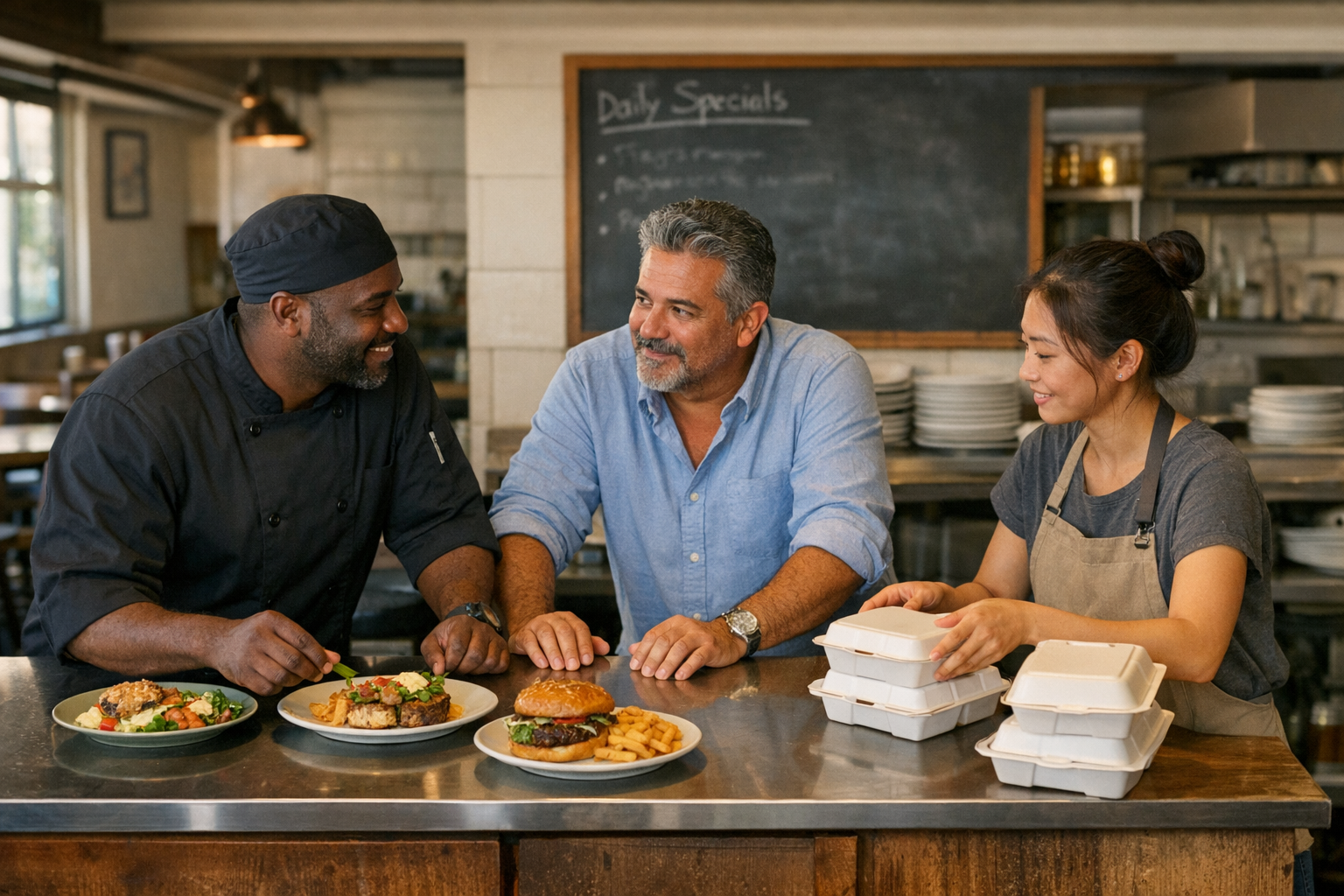
Every restaurant owner knows the challenge of seasonal fluctuations. Whether it's the post-holiday slump in January or the summer vacation exodus, slow seasons can put serious pressure on your cash flow. The best 5 strategies restaurants use during slow seasons aren't just about survival, they're about positioning your business to thrive when customers return.
Smart restaurant owners don't wait for slow periods to hit before taking action. They plan ahead, implement creative solutions, and maintain financial flexibility to navigate these challenging times successfully. Let's explore the proven strategies that can help your restaurant weather any slow season.
Strategic Revenue Boosting Through Smart Promotions

Strategic revenue boosting through smart promotions often makes the difference between restaurants that struggle and those that maintain steady income during slower periods. The key lies in creating promotions that attract customers without sacrificing your profit margins.
- Happy Hour Extensions: Many restaurants expand their happy hour offerings during slow seasons, extending the timeframe and adding food specials alongside drink promotions. This approach can help fill seats during traditionally quiet afternoon hours.
- Theme Night Events: Creating special theme nights like trivia, live music, or cultural food events can draw regular crowds during typically slow weekdays. These events build community engagement and encourage repeat visits.
- Bundle Deals and Prix Fixe Menus: Offering complete meal packages at attractive price points can increase average ticket sizes while providing clear value to budget-conscious diners during slower economic periods.
Operational Efficiency and Smart Cost Management
Operational efficiency and smart cost management become crucial when implementing cost cuts that don't compromise food quality or customer experience. Successful restaurants focus on strategic reductions rather than across-the-board slashing.
- Menu Optimization: Analyzing food costs and customer preferences allows restaurants to temporarily streamline menus, focusing on high-margin items that use common ingredients. This reduces waste and inventory costs while maintaining quality.
- Staff Scheduling Adjustments: Implementing flexible scheduling based on historical data and reservations helps maintain adequate service levels while controlling labor costs during predictably slower periods.
- Supplier Negotiations: Slow seasons provide opportunities to renegotiate supplier contracts, explore bulk purchasing options, or find alternative vendors that offer better terms without compromising quality.
Proactive Cash Planning and Financial Management
Proactive cash planning and financial management help restaurants maintain cash flow when revenue dips unexpectedly. Smart financial strategies prepare your business for seasonal variations before they impact operations.
- Seasonal Budget Creation: Developing separate budgets for high and low seasons allows for more accurate financial planning and helps identify potential cash flow gaps before they become problematic.
- Emergency Fund Building: Setting aside a percentage of profits during busy periods creates a financial cushion that can cover essential expenses during slower months without relying on external financing.
- Expense Timing Optimization: Scheduling major purchases, renovations, or equipment maintenance during slow periods can help maintain cash flow during busy seasons while taking advantage of potentially lower contractor rates.
Customer Retention and Relationship Building
Customer retention and relationship building strategies help restaurants maintain a loyal customer base that continues visiting even during challenging periods. Building strong relationships creates a foundation of reliable revenue.
- Loyalty Program Enhancement: Upgrading loyalty programs with bonus points, exclusive offers, or special member events during slow seasons can encourage more frequent visits from existing customers.
- Personalized Customer Service: Slower periods provide opportunities for staff to spend more time with each customer, creating memorable experiences that build long-term loyalty and positive word-of-mouth referrals.
- Community Engagement: Participating in local events, supporting community causes, or hosting private functions can strengthen ties with the local community and generate goodwill that translates into customer loyalty.
Accessing Flexible Funding When Cash Flow Tightens
Accessing flexible funding becomes essential when even the best planning can't completely offset seasonal revenue drops. Modern financing solutions offer restaurants various options to maintain operations during challenging periods.
- Revenue-Based Financing: This flexible funding option allows restaurants to access capital based on their sales volume, with repayments that automatically adjust during slower periods, making it ideal for seasonal businesses.
- Equipment Financing: Using slow seasons to upgrade kitchen equipment or dining room furniture through specialized equipment financing can improve efficiency while spreading costs over time.
- Working Capital Solutions: Short-term financing options can help cover essential expenses like payroll, rent, and inventory when cash flow temporarily decreases, ensuring smooth operations until revenue rebounds.
Successfully navigating slow seasons requires a combination of creativity, planning, and financial flexibility. The best 5 strategies restaurants use during slow seasons work together to create a comprehensive approach that maintains profitability while positioning your business for growth.
Remember that slow seasons are temporary, but the relationships you build with customers and the systems you put in place can benefit your restaurant year-round. By implementing smart promotions, managing costs effectively, planning your cash flow, building customer loyalty, and maintaining access to flexible funding, you'll be prepared to handle any seasonal challenges that come your way.