
.png)
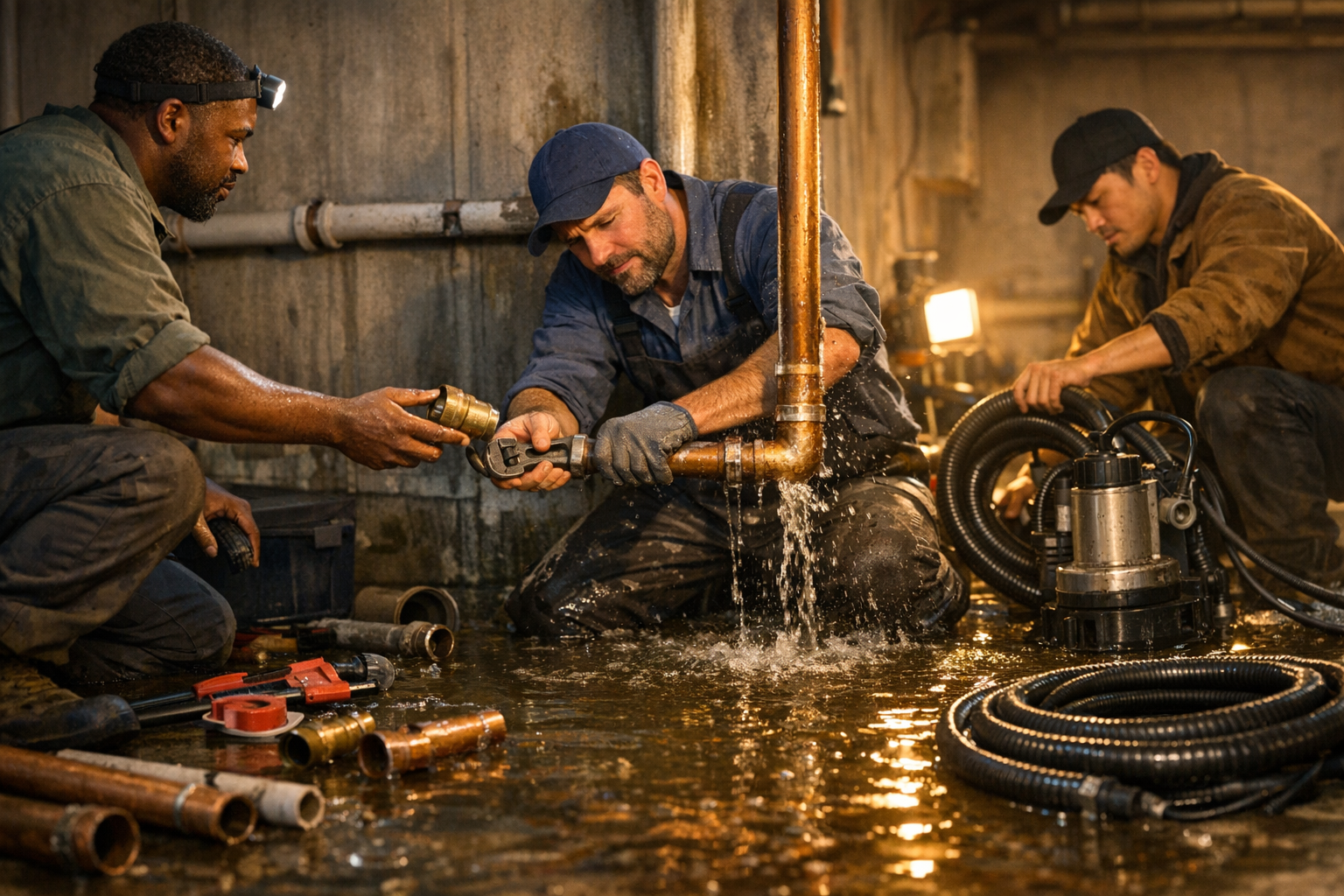
How Your Plumbing Business Can Master Emergency Job Demand
When a pipe bursts at midnight or a water heater fails on a holiday weekend, homeowners and businesses need help fast. For plumbing companies, these urgent situations represent both a challenge and an opportunity. A plumbing business handling emergency job demand effectively can tap into premium pricing, build lasting customer relationships, and secure a competitive edge in a crowded market.
Yet many plumbing contractors struggle with the logistics of after-hours calls, equipment readiness, and the financial flexibility needed to scale up quickly when demand spikes. The difference between businesses that thrive during emergencies and those that miss out often comes down to preparation, systems, and access to the right resources. This guide explores practical strategies to help your plumbing operation respond confidently to unexpected calls while maintaining the cash flow flexibility essential for growth.
Essential Steps for Equipment Readiness

A plumbing business handling emergency job demand must maintain equipment readiness at all times. When you receive an urgent call, arriving on-site without the right tools or parts can cost you the job and damage your reputation. Equipment readiness goes beyond simply owning quality tools; it involves strategic organization and proactive maintenance.
- Stock critical spare parts: Keep commonly needed components like washers, valves, fittings, and backup water heaters in your inventory. This allows technicians to complete most emergency repairs in a single visit rather than scheduling follow-up appointments.
- Maintain backup equipment: Essential tools like drain snakes, inspection cameras, and portable pumps should have backups ready. Equipment failure during an emergency call can lead to delayed service and lost revenue opportunities.
- Implement regular maintenance schedules: Service vehicles and tools on a consistent timeline to prevent breakdowns. A van that won't start or a hydro-jetter that malfunctions during a crisis undermines your ability to respond effectively to unexpected calls.
- Use organized inventory systems: Label storage areas clearly and track parts usage digitally. When technicians can quickly locate what they need, response times improve and customer satisfaction tends to increase.
Building Financial Flexibility for Demand Spikes
Building financial flexibility for demand spikes is crucial when your plumbing business handling emergency job demand experiences sudden growth. Emergency situations often arrive in clusters during severe weather events, holiday periods, or seasonal transitions. Without adequate cash flow flexibility, you might struggle to purchase inventory, fuel vehicles, or cover payroll for extended shifts.
- Establish working capital reserves: Set aside funds specifically for scaling operations during busy periods. This buffer allows you to accept more emergency jobs without worrying about immediate cash shortages.
- Explore flexible financing options: Consider funding solutions designed for businesses with variable revenue patterns. These financial tools can help bridge gaps between completing jobs and receiving payment, especially when dealing with insurance claims or large commercial accounts.
- Negotiate supplier terms: Build relationships with parts suppliers that might offer payment terms or bulk discounts. Better purchasing arrangements improve your ability to stock up before anticipated demand increases.
- Monitor cash flow patterns: Track which months or events typically generate emergency call surges. Understanding these patterns helps you prepare financially and operationally for predictable demand fluctuations.
Communication Systems That Capture Unexpected Calls
Communication systems that capture unexpected calls can make or break your plumbing business handling emergency job demand. When potential customers face plumbing crises, they typically contact multiple companies and hire whichever responds first. Missing calls or delaying responses often means losing jobs to competitors who answer immediately.
- Implement call forwarding and routing: Set up systems that automatically redirect calls to available technicians or answering services when office lines are busy. This ensures every caller reaches someone who can help, regardless of time or day.
- Use customer relationship management tools: Digital platforms can log calls, track customer history, and help prioritize urgent requests. These systems also document communication, which proves valuable for follow-up and quality assurance.
- Train staff on emergency protocols: Everyone who answers phones should know how to assess urgency, provide realistic arrival estimates, and communicate professionally under pressure. Consistent, calm responses during stressful situations build trust with customers.
- Monitor response metrics: Track how quickly your team answers calls and arrives on-site. Data on response times helps identify bottlenecks and opportunities to improve service delivery for unexpected calls.
Steps to Implement Around-the-Clock Service
Steps to implement around-the-clock service require careful planning, but research suggests that plumbing companies offering 24/7 emergency response may significantly increase their revenue. Premium pricing for after-hours work and the ability to serve customers when competitors are unavailable create compelling advantages. However, launching this service model demands operational adjustments.
- Assess current capacity and resources: Evaluate whether you have sufficient technicians, vehicles, and equipment to support extended hours without compromising quality. Start with limited after-hours availability if necessary, then expand as demand justifies additional resources.
- Develop on-call rotation schedules: Create fair, sustainable schedules that prevent technician burnout while ensuring coverage. Consider compensation structures that reward team members for availability and emergency response work.
- Market your emergency availability: Update your website, social media profiles, and online listings to highlight 24/7 service. Customers searching for emergency plumbers during off-hours need to find this information immediately and clearly.
- Set premium pricing structures: Establish rates for after-hours, weekend, and holiday service that reflect the added value and operational costs. Most customers understand and accept higher prices for emergency availability.
- Create emergency response protocols: Document step-by-step procedures for common urgent situations. Clear protocols help technicians work efficiently under pressure and maintain consistent service quality regardless of when calls arrive.
Strategies for Scaling Your Workforce
Strategies for scaling your workforce become essential as your plumbing business handling emergency job demand grows. Consistent market demand for plumbing services, driven by both new construction and maintenance needs, typically provides stable opportunities for expansion. Yet hiring and training qualified technicians takes time, and workforce shortages in skilled trades can complicate growth plans.
- Develop apprenticeship programs: Partner with trade schools or create in-house training initiatives to build your pipeline of skilled workers. Investing in apprentices might cost more upfront but could provide long-term staffing stability as your business expands.
- Offer competitive compensation and benefits: Research what other local plumbing companies pay and aim to match or exceed those rates. Attractive compensation packages help recruit experienced technicians and reduce turnover among existing staff.
- Build a network of qualified contractors: Establish relationships with reliable independent plumbers who can handle overflow work during demand spikes. This flexible capacity allows you to accept more jobs without immediately expanding full-time payroll.
- Invest in ongoing training: Regular skills development keeps your team current with new technologies and techniques. Well-trained technicians complete jobs more efficiently and deliver higher-quality service that tends to generate positive reviews and referrals.
- Plan hiring timelines strategically: Recruit and train new technicians before peak seasons rather than scrambling to hire during demand surges. Proactive workforce planning helps maintain service quality even when unexpected calls increase suddenly.
Why Speed Matters in Emergency Response
Why speed matters in emergency response goes beyond simple customer convenience. When homeowners or business owners face plumbing emergencies, swift response might be the key differentiator for securing jobs in a competitive market. Research indicates that plumbing businesses able to quickly respond to emergencies often have a higher chance of winning the work, as most customers contact multiple companies and typically hire whoever arrives first.
Fast response times also contribute to customer retention and reputation building. A plumbing business handling emergency job demand efficiently earns trust and generates word-of-mouth referrals that prove invaluable for long-term growth. When customers know they can count on your company during crises, they're more likely to call you first for routine maintenance and planned projects too.
Speed requires preparation across multiple areas: communication systems that capture calls immediately, dispatch processes that connect customers with available technicians quickly, equipment readiness that eliminates delays from missing tools or parts, and sufficient workforce capacity to handle multiple simultaneous emergencies. Companies that optimize all these elements typically find themselves capturing a larger share of emergency work in their service area.
Successfully managing emergency demand separates thriving plumbing businesses from those that struggle to grow. A plumbing business handling emergency job demand with strategic planning, equipment readiness, and cash flow flexibility positions itself to capture premium revenue opportunities while building a reputation for reliability. The steps outlined here, from implementing communication systems that never miss unexpected calls to developing workforce scaling strategies, create a foundation for sustainable growth.
Remember that building emergency response capabilities takes time and investment. Start with the areas that address your most pressing challenges, whether that's improving equipment organization, establishing financial reserves, or expanding service hours. As you implement these strategies, track your results and adjust based on what works best for your specific market and customer base.
The plumbing industry's consistent demand provides stable opportunities for businesses ready to meet customer needs during critical moments. By preparing systematically and maintaining the flexibility to scale when demand spikes, your company can turn emergencies into growth opportunities while delivering the reliable service that customers desperately need.