.png)
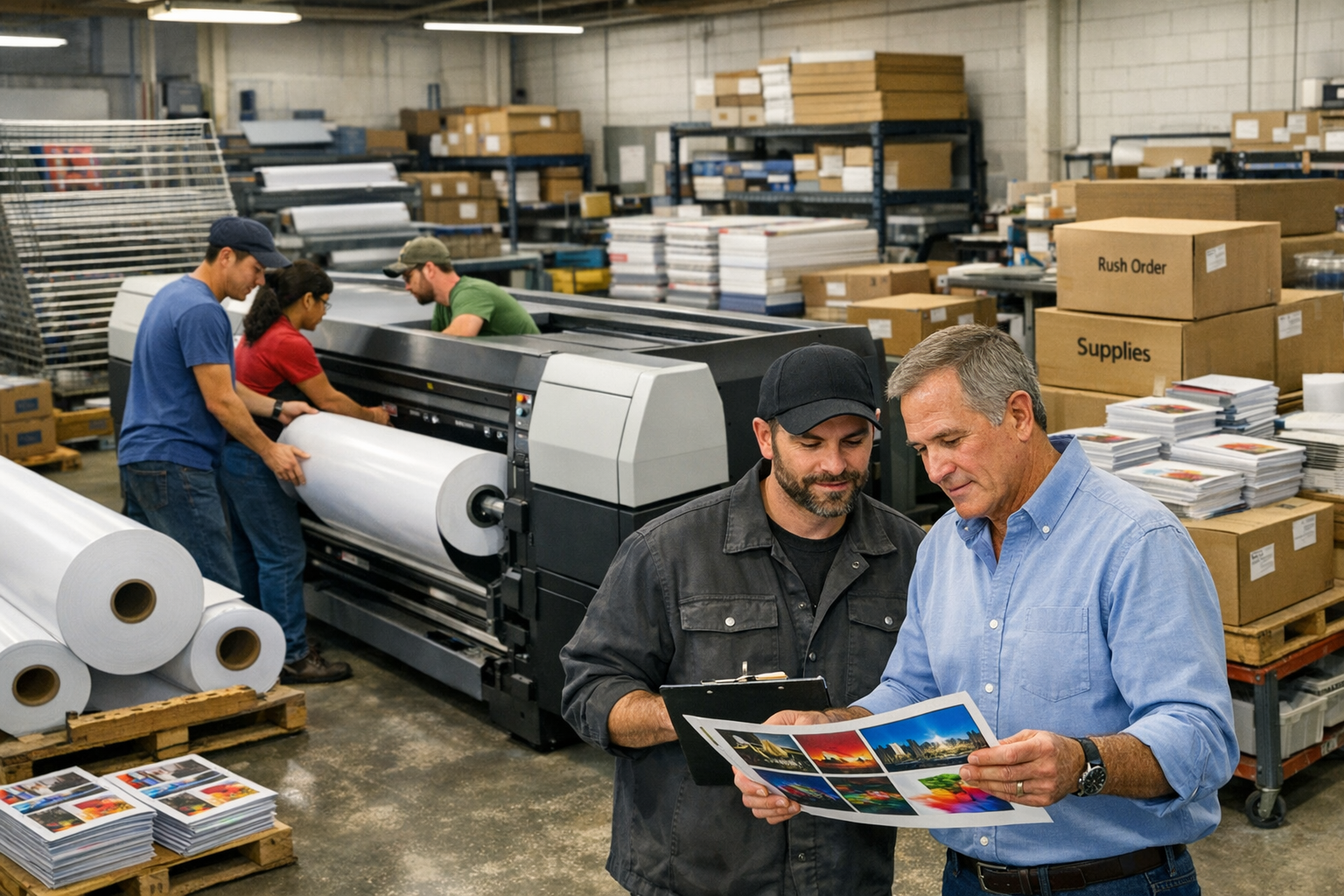
Running a printing business means juggling multiple financial demands at once. When large volume orders come through the door, they bring both opportunity and challenge. You've got to purchase raw materials upfront, ensure your equipment can handle the workload, and meet strict client deadlines, all while keeping your cash flow healthy. For many print shop owners, securing the right printing business funding for large volume orders can make the difference between seizing growth opportunities and turning them away.
The printing industry operates on tight margins, and big orders often require significant upfront investment before you see a dime in revenue. Whether it's restocking paper and ink, upgrading to commercial-grade printers, or covering payroll during peak seasons, having access to flexible financing options can help you manage these demands confidently. Let's explore practical funding solutions tailored specifically for print businesses handling high-volume client work.
Essential Funding Features for Print Shops
Essential funding features for print shops start with understanding what your business actually needs when those large orders arrive. Not all financing options are created equal, and print businesses have unique requirements that general funding products might not address effectively.
- Quick access to capital: Large volume orders typically come with tight turnaround times. Funding that takes weeks to process won't help when clients expect delivery in days. Look for options that provide fast approval and funding timelines.
- Flexible repayment structures: Print shop revenue can fluctuate seasonally or based on project completion. Financing with adaptable payment schedules may align better with your actual cash flow patterns than rigid monthly installments.
- Scalable funding amounts: Your capital needs might range from covering a few thousand dollars in materials for one order to investing hundreds of thousands in equipment upgrades. The right funding partner should accommodate both small and large requests.
- No restrictions on fund usage: Whether you need to purchase specialty paper, pay overtime wages, or lease additional printing equipment, unrestricted funding gives you the freedom to allocate resources where they're needed most.
Managing Material Costs and Equipment Usage
Managing material costs and equipment usage becomes critical when you're handling printing business funding for large volume orders. These two expense categories often represent the biggest financial hurdles for print shops taking on substantial projects.
- Bulk material purchasing: Large orders require buying materials in significant quantities. Financing can help you take advantage of bulk pricing discounts while spreading the cost over time, improving your profit margins on each job.
- Equipment maintenance and upgrades: High-volume printing puts stress on machinery. Having funds available for regular maintenance prevents costly breakdowns mid-project, while equipment financing options may enable you to upgrade to professional-grade systems that increase output capacity.
- Inventory management: Keeping adequate stock of commonly used materials without tying up too much cash requires balance. Working capital financing can help maintain optimal inventory levels so you're always ready when large orders arrive.
Overcoming Cash Flow Gaps During Peak Seasons
Overcoming cash flow gaps during peak seasons is where many print businesses find themselves in a bind. You've landed the big contract, but the client won't pay until completion, and your bills are due now. This timing mismatch creates what's known as a cash flow gap.
- Invoice factoring solutions: This funding type allows you to convert outstanding invoices into immediate cash. Instead of waiting 30, 60, or 90 days for client payment, you can access funds quickly to cover operational expenses and take on additional work.
- Seasonal working capital: During busy periods like back-to-school season or holiday rushes, your staffing and material needs spike. Seasonal financing options can help you ramp up operations without depleting your cash reserves.
- Bridge financing for projects: When you're between the start of a large project and payment upon completion, bridge financing can cover the gap, ensuring you can pay suppliers and employees on schedule regardless of client payment terms.
Steps to Secure Funding for Large Print Orders

Steps to secure funding for large print orders typically follow a logical sequence that prepares your business for the application process and positions you for approval. Being organized can speed up the entire process considerably.
- Calculate your exact funding needs: Determine precisely how much capital you'll need by adding up material costs, labor expenses, equipment usage or lease payments, and a buffer for unexpected expenses. Having a specific number shows lenders you've done your homework.
- Gather financial documentation: Most funding sources will want to see bank statements, tax returns, profit and loss statements, and potentially accounts receivable aging reports. Having these ready in advance streamlines the application process.
- Research appropriate funding types: Different financing products serve different purposes. Equipment financing works best for machinery purchases, while invoice factoring might better address immediate cash flow needs. Match the funding type to your specific situation.
- Compare terms from multiple sources: Don't settle for the first offer. Interest rates, repayment terms, fees, and qualification requirements vary widely. Shopping around helps you find the most favorable terms for your circumstances.
- Submit applications and follow up: Once you've selected your top choices, complete applications promptly and respond quickly to any requests for additional information. Responsiveness can often speed up approval timelines.
Financing Options by Business Size and Need
Financing options by business size and need vary considerably across the printing industry. What works for a small local print shop handling community projects might not fit a mid-sized operation serving commercial clients with complex requirements.
- Smaller operations: Print shops with modest funding needs, typically ranging from a few thousand to around fifty thousand dollars, might find success with business credit cards, short-term advances, or equipment financing for specific machinery purchases.
- Growing businesses: As your operation expands and order volumes increase, you may need access to larger amounts, potentially in the six-figure range. Traditional term financing, lines of credit, or invoice factoring can provide the flexibility to handle multiple large projects simultaneously.
- Established enterprises: Larger printing businesses managing substantial client contracts and operating multiple facilities may require financing solutions that extend into the millions. These operations might explore asset-based financing, equipment leasing programs, or comprehensive working capital facilities.
- Seasonal operations: If your print business experiences predictable busy periods, seasonal financing that allows you to draw funds when needed and pay down during slower months can align perfectly with your revenue patterns.
Meeting Client Deadlines With Adequate Resources
Meeting client deadlines with adequate resources is non-negotiable in the printing business. Late deliveries damage your reputation and cost you future business, regardless of the reason. Having printing business funding for large volume orders in place before you need it helps ensure you're never caught short.
- Maintain equipment in peak condition: Regular maintenance funded through ongoing cash flow or dedicated equipment financing keeps your printers running reliably. Unexpected breakdowns during critical projects can derail timelines and client relationships.
- Stock essential materials proactively: Running out of commonly used paper stocks or ink colors mid-project causes delays. Working capital funding allows you to maintain adequate inventory without over-extending your operating budget.
- Scale staffing appropriately: Large orders often require additional labor, whether full-time hires, part-time workers, or overtime for existing staff. Payroll financing or working capital advances ensure you can bring on the help you need when orders spike.
- Invest in capacity expansion: When order volumes consistently exceed your current capabilities, financing equipment upgrades or facility expansions positions your business to accept larger contracts without quality or timeline compromises.
Building Financial Resilience in Your Print Business
Building financial resilience in your print business means establishing systems and relationships that support growth while protecting against unexpected challenges. Access to appropriate financing is just one component of a healthy financial foundation. By understanding your cash flow patterns, maintaining relationships with multiple funding sources, and planning for both growth opportunities and seasonal fluctuations, you position your printing operation to confidently accept large volume orders whenever they arrive. The right funding strategy doesn't just solve immediate needs, it creates long-term stability that allows you to focus on what you do best: delivering quality printed products that keep clients coming back.
Managing a successful printing business in today's competitive market requires more than just technical expertise and quality output. It demands smart financial planning and access to flexible funding that aligns with your operational realities. Whether you're covering upfront material costs, upgrading essential equipment, or bridging the gap between project completion and client payment, the right financing options can transform large volume orders from financial stressors into profitable growth opportunities.
The key is understanding which funding types best match your specific needs and business stage. From invoice factoring that addresses immediate cash flow gaps to equipment financing that builds your production capacity, each option serves a distinct purpose. By preparing your financial documentation, calculating exact funding requirements, and comparing terms across multiple sources, you can secure the capital needed to meet client deadlines consistently while maintaining healthy cash flow.
Remember, financial resilience isn't built overnight. It comes from establishing relationships with funding partners before you're in crisis mode, maintaining equipment proactively rather than reactively, and creating systems that support both daily operations and strategic growth. With the right approach to printing business funding for large volume orders, your shop can confidently pursue the contracts that drive your business forward.