
.png)
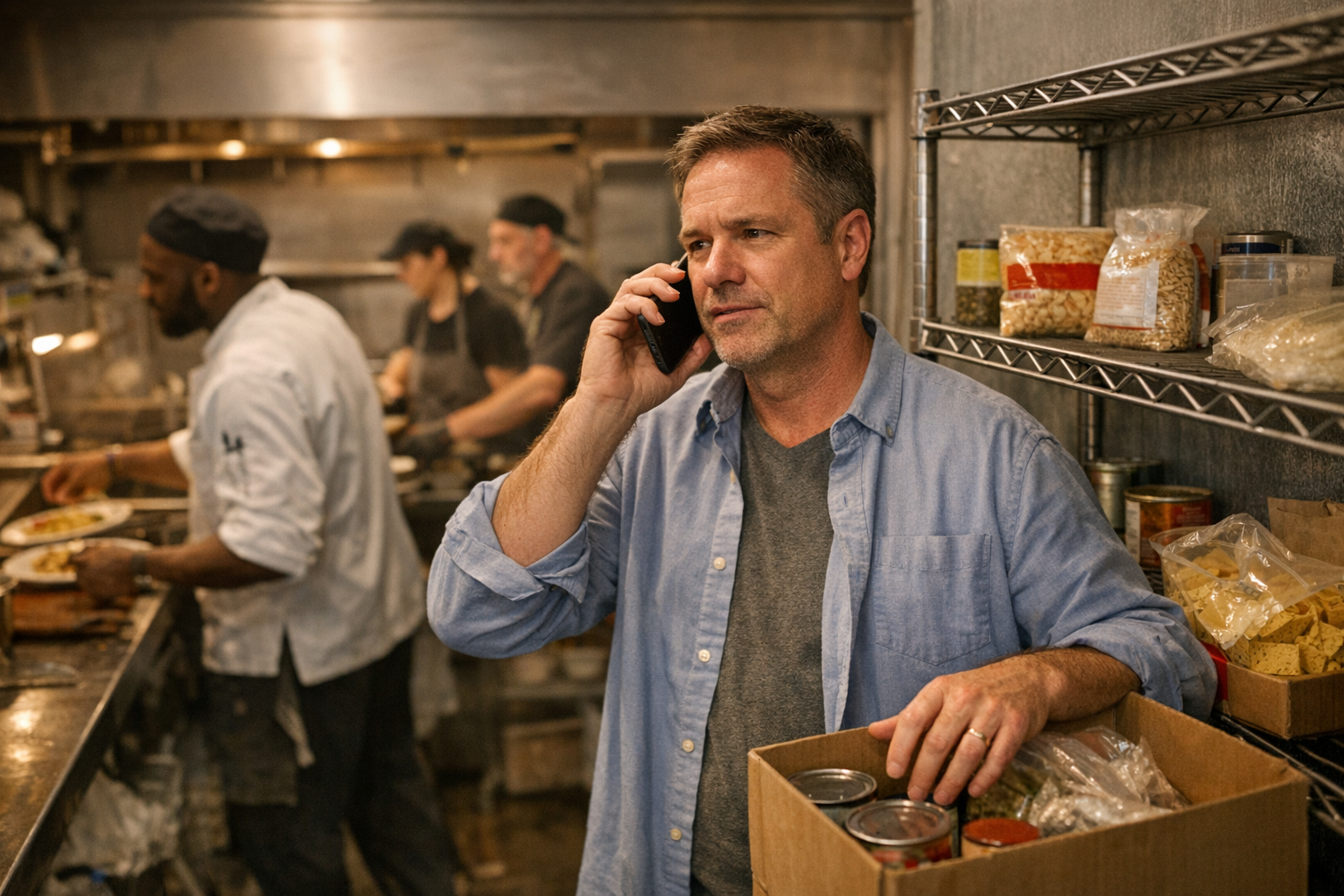
Restaurant owners face a unique set of challenges when it comes to keeping their kitchens stocked and their doors open. From unpredictable supplier delays to unexpected stock gaps, managing inventory has become increasingly complex. When these issues collide with tight cash flow, the pressure can feel overwhelming. Restaurant inventory shortages and funding solutions have become essential topics for operators who want to maintain service quality while navigating financial constraints.
The reality is that most restaurants operate on thin profit margins, making them especially vulnerable to disruptions. A delayed shipment of fresh produce or a sudden spike in ingredient costs can quickly throw off your entire operation. Meanwhile, your bills keep coming, your staff expects paychecks, and your customers demand the same great experience they've come to expect. That's where understanding both inventory management and flexible funding options becomes crucial.
This guide explores practical strategies that restaurant owners can use to address stock gaps, manage supplier delays, and access working capital support when needed. By combining smart inventory practices with the right funding approach, you can create a buffer against disruptions and maintain the cash flow balance your business needs to thrive.
Common Financial Challenges Facing Restaurant Operators
Common financial challenges facing restaurant operators often stem from the unique nature of the industry itself. Unlike many businesses, restaurants deal with perishable inventory, fluctuating customer demand, and razor-thin margins that leave little room for error. Understanding these challenges is the first step toward building resilience.
- Cash flow volatility: Revenue might swing dramatically based on the day of the week, season, or local events. This unpredictability makes it tough to plan expenses, especially when you need to pay suppliers upfront while waiting for customer payments to come in.
- Inventory waste and spoilage: Restaurants must balance having enough stock to meet demand without over-ordering items that might expire. When supplier delays force you to over-purchase once products arrive, you risk waste that eats directly into your profits.
- Seasonal fluctuations: Many restaurants experience slower periods during certain months, yet fixed costs like rent and utilities remain constant. These seasonal dips can strain working capital and make it harder to cover regular expenses.
- Rising operating costs: From labor expenses to ingredient prices, costs tend to climb over time. When supplier delays force you to source from alternative, more expensive vendors, your margins shrink even further.
- Limited access to traditional financing: Banks often view restaurants as high-risk businesses, making it difficult to secure traditional funding when you need it most. This challenge becomes especially acute during inventory shortages when quick access to capital could prevent service disruptions.
These obstacles don't exist in isolation. They often create a domino effect where one problem amplifies another. For instance, a supplier delay might force you to purchase expensive last-minute alternatives, straining your cash flow just as you enter a slower seasonal period. Recognizing these interconnected challenges helps you develop more comprehensive solutions.
Smart Inventory Management Practices to Reduce Stock Gaps
Smart inventory management practices to reduce stock gaps can significantly improve your restaurant's financial health and operational efficiency. While you can't always control supplier delays, you can implement systems that minimize their impact and help you make better purchasing decisions.
- Track inventory consistently: Regular counting and recording of stock levels helps you identify patterns in usage and spot potential shortages before they become critical. This practice might seem time-consuming, but it typically pays off by reducing over-ordering and waste.
- Establish par levels for key items: Setting minimum stock quantities for essential ingredients ensures you reorder before running out. These par levels should account for lead times from suppliers and typical usage rates during different periods.
- Build relationships with multiple suppliers: Relying on a single source for critical ingredients leaves you vulnerable to their specific delays or shortages. Having backup suppliers can help you pivot quickly when your primary vendor faces disruptions.
- Implement first-in, first-out rotation: This simple practice ensures older stock gets used before newer deliveries, reducing spoilage and waste. Proper rotation becomes especially important when supplier delays force you to accept larger-than-usual shipments.
- Analyze menu performance data: Understanding which dishes sell consistently versus those that sit can help you adjust ingredient orders accordingly. This analysis might reveal opportunities to streamline your menu during periods of inventory uncertainty.
When combined with reliable forecasting, these practices can help you maintain better cash flow balance. You'll spend less on emergency purchases, reduce waste from over-ordering, and create more predictable expenses. Many restaurant owners find that improving inventory management reveals opportunities to optimize their entire operation, from menu design to staffing levels.
Working Capital Support Options for Restaurant Inventory Shortages and Funding Solutions

Working capital support options for restaurant inventory shortages and funding solutions come in various forms, each designed to address different financial needs. When inventory issues threaten to disrupt your operations, having access to the right type of funding can keep your business running smoothly.
- Business lines of credit: These flexible arrangements allow you to borrow up to a certain limit and pay interest only on what you use. Lines of credit can be particularly useful for managing supplier delays, as you can draw funds when needed without committing to a large, fixed payment schedule.
- Revenue-based financing: This option ties repayment to your daily sales, meaning you pay more when business is strong and less during slower periods. For restaurants dealing with seasonal fluctuations and stock gaps, this flexibility can ease the pressure on cash flow.
- Equipment financing: If inventory shortages stem from equipment failures or inefficiencies, specialized financing for kitchen equipment might help you upgrade without depleting working capital. This approach keeps your cash reserves available for inventory purchases.
- Invoice factoring: For restaurants that handle catering or corporate accounts with payment terms, factoring allows you to receive immediate cash for outstanding invoices rather than waiting for customers to pay. This strategy can free up capital for urgent inventory needs.
- Short-term working capital advances: When you need funds quickly to take advantage of a supplier opportunity or cover an unexpected shortage, rapid funding options can provide cash within days. The approval process for these alternatives tends to be faster than traditional banking channels.
The key is matching the funding type to your specific situation. If you're dealing with a temporary gap caused by supplier delays, a short-term solution might make sense. For ongoing cash flow challenges related to seasonal business patterns, a line of credit could provide ongoing flexibility. Many restaurant owners find that having multiple options available allows them to respond quickly when inventory issues arise.
Strategies to Manage Supplier Delays and Maintain Operations
Strategies to manage supplier delays and maintain operations require both proactive planning and quick thinking when problems arise. While you might not prevent every delay, you can certainly reduce their impact on your restaurant's service and financial stability.
- Communicate regularly with suppliers: Building strong relationships with your vendors often means getting early warning about potential delays or shortages. When suppliers view you as a valued partner, they may prioritize your orders or suggest alternative solutions during difficult periods.
- Create contingency menu options: Developing backup dishes that use different ingredients gives you flexibility when primary items become unavailable. This approach allows you to maintain service quality even when facing stock gaps without scrambling for expensive last-minute alternatives.
- Adjust ordering schedules strategically: If you know certain seasons or periods tend to bring supplier delays, you might order critical items further in advance. This buffer can prevent emergencies, though you'll need to balance it against storage capacity and product shelf life.
- Monitor industry trends and warnings: Staying informed about supply chain issues affecting the restaurant industry can help you anticipate problems before they hit your business. When you see warnings about specific ingredient shortages, you can adjust menus or increase orders proactively.
- Maintain adequate working capital reserves: Having cash available specifically for handling supplier delays gives you options when problems occur. Whether you need to source from a premium vendor or purchase larger quantities when products become available, working capital solutions provides the flexibility to act quickly.
These strategies work best when implemented together as part of a comprehensive approach. For example, strong supplier relationships combined with menu flexibility and adequate working capital create multiple layers of protection against disruptions. When one strategy falls short, the others can fill the gap and keep your operation stable.
Balancing Cash Flow During Periods of Inventory Uncertainty
Balancing cash flow during periods of inventory uncertainty requires careful attention to both incoming revenue and outgoing expenses. When supplier delays and stock gaps create unpredictability, maintaining liquidity becomes essential for covering daily operations while addressing inventory needs.
- Accelerate receivables when possible: If your restaurant handles any accounts with payment terms, consider offering small discounts for early payment or tightening those terms during uncertain periods. Faster incoming cash helps you respond to inventory opportunities without relying entirely on external funding.
- Negotiate flexible payment terms with suppliers: During challenging periods, some suppliers might extend payment deadlines or offer installment options, especially if you have a strong relationship with them. These arrangements can ease immediate cash pressure while you work through inventory shortages.
- Prioritize high-margin items: When working capital is tight, focus inventory purchases on menu items that generate the best profit margins. This strategy ensures that every dollar spent on inventory contributes maximally to your bottom line and helps rebuild cash reserves.
- Consider strategic price adjustments: While you need to remain competitive, modest price increases on select items during supply constraints can help offset higher costs from alternative suppliers. Many customers understand that ingredient availability affects pricing.
- Use funding solutions strategically: Rather than viewing working capital support as a last resort, consider it a tool for maintaining cash flow balance. Strategic use of revenue-based financing or a business line of credit during inventory shortages can prevent the worse alternative of service disruptions or missed opportunities.
Cash flow balance isn't about having unlimited funds. It's about timing your expenses and revenue so you always have enough liquidity to operate effectively. During inventory uncertainty, this balance becomes harder to maintain naturally, which is why having access to flexible funding options provides an important safety net. The goal is to bridge temporary gaps without creating long-term financial strain.
Managing restaurant inventory shortages and funding solutions effectively requires a combination of operational excellence and financial flexibility. The restaurants that weather supply chain disruptions most successfully are typically those that have implemented sound inventory practices while maintaining access to working capital when unexpected challenges arise.
By tracking inventory carefully, building strong supplier relationships, and understanding your cash flow patterns, you create a foundation of operational stability. When you add strategic funding options into the mix, you gain the flexibility to respond quickly to supplier delays without compromising service quality or exhausting your cash reserves.
Remember that every restaurant faces these challenges differently based on concept, location, and customer base. The strategies that work best for your operation might differ from those that help another restaurant. The key is to start with solid inventory management practices, then layer in appropriate funding solutions that match your specific needs and cash flow patterns.
Stock gaps and supplier delays will likely remain part of the restaurant landscape for the foreseeable future. However, with the right combination of planning, management, and working capital support, you can minimize their impact on your business. Taking action now to strengthen both your inventory systems and your financial flexibility will position your restaurant to handle whatever challenges come next while continuing to serve your customers well.