
.png)
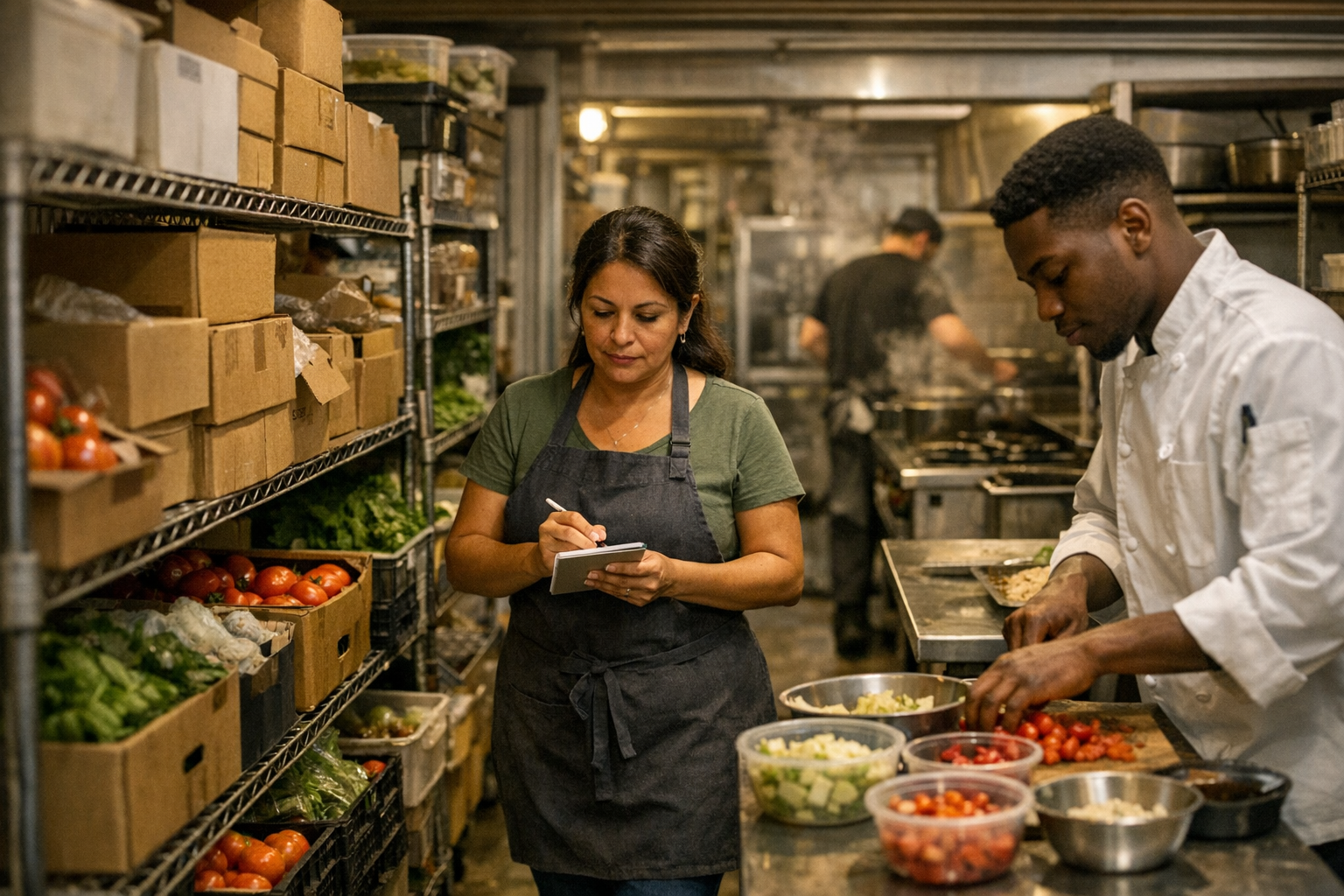
Running a successful restaurant requires more than great food and excellent service. Behind every thriving establishment lies a crucial financial foundation: working capital. Restaurant working capital needs explained simply means having enough cash on hand to cover daily operations, handle unexpected expenses, and bridge gaps between revenue and costs. This financial cushion can make the difference between weathering tough times and closing your doors permanently.
The restaurant industry presents unique challenges when it comes to cash flow management. Unlike many other businesses, restaurants often face unpredictable revenue fluctuations, seasonal variations, and the constant pressure of managing perishable inventory. Understanding your working capital requirements isn't just about survival, it's about positioning your restaurant for sustainable growth and long-term success.
Essential Components of Restaurant Working Capital

Food costs now sit more than 35% above pre-pandemic levels, and only 42% of U.S. restaurants were profitable in 2024. These numbers make clear why working capital is not just a cushion for restaurants, it is the difference between staying open and closing.
The average restaurant net profit margin ranges from just 2% to 6%, with food costs typically running 28% to 35% of revenue and labor costs accounting for another 25% to 35%. That leaves very little room for error when an unexpected expense hits or revenue dips for even a few weeks.
The four core components of restaurant working capital are:
- Cash reserves for daily operations. This covers unexpected equipment repairs, emergency supply purchases, and the kind of unplanned expenses that hit every restaurant at the worst possible time.
- Inventory management funds. Perishable food inventory turns over quickly but has to be purchased upfront, creating a constant cycle of cash going out before revenue comes in.
- Staff compensation reserves. Full-service restaurant labor costs represented a median of 36.5% of sales in 2024, one of the highest burdens operators have faced in recent years. Payroll does not pause during a slow week.
- Vendor payment buffers. Maintaining timely payments with suppliers protects your pricing, your access to quality ingredients, and the relationships that keep your kitchen running.
Managing Inventory Cycles and Cash Flow
Inventory is where restaurant cash flow gets most complicated. You are buying perishables daily or weekly, pricing them based on current costs, and collecting revenue after the fact. When food costs spike, that gap between purchase and collection widens fast.
- Seasonal purchasing strategies. Plan inventory purchases around seasonal price changes and menu engineering. Aligning your menu with what is cheapest and most available at a given time of year reduces costs and spoilage simultaneously.
- Vendor relationship management. Strong supplier relationships often translate into flexible payment terms, bulk discounts, and priority access during supply shortages. These advantages compound over time and directly affect your working capital position.
- Waste reduction systems. Food waste is one of the most direct drains on restaurant working capital. Proper inventory tracking, FIFO systems, and portion control can meaningfully reduce waste without affecting the guest experience.
- Menu engineering alignment. A restaurant's prime cost, the combined total of food and labor, typically runs 55% to 65% of revenue in a well-managed operation. Designing your menu around ingredients with favorable cost ratios and high turnover keeps that number in check.
When a seasonal spike or supplier price increase strains your inventory budget, a merchant cash advance can cover the gap quickly without disrupting your purchasing cycle. See what you qualify for →
Strategies for Covering Supplier Payments
Supplier payments are non-negotiable. Missing or delaying them risks your pricing agreements, your delivery schedule, and in some cases your ability to source key ingredients at all. Managing this well requires both planning and the right financing tools.
- Payment term negotiations. Many suppliers will negotiate payment terms, especially with restaurants that have a consistent order history. Net-15 or net-30 terms give you time to collect revenue before the invoice is due.
- Multiple vendor diversification. Relying on a single supplier for critical ingredients creates risk. Maintaining relationships with backup suppliers protects you during shortages and gives you pricing leverage.
- Early payment incentives. When cash flow allows, taking advantage of early payment discounts reduces overall costs and builds goodwill with suppliers that can pay off during tight periods.
- Consolidated ordering systems. Streamlining orders through fewer, larger purchases often qualifies for volume discounts and reduces the administrative overhead of managing multiple smaller orders each week.
Top Methods to Bridge Payroll Gaps
Payroll is the one expense that cannot be delayed. Your staff expects to be paid regardless of what happened with revenue last week, and even a single missed payroll can destroy team morale and trigger immediate turnover.
- Establish emergency payroll reserves. Set aside a fixed percentage of revenue during strong weeks specifically for payroll. Keep this in a dedicated account that is not touched for any other purpose.
- Implement flexible staffing models. Cross-training employees and using part-time or on-call staff during slower periods reduces labor costs without sacrificing service quality during busy shifts.
- Monitor labor cost ratios weekly. Full-service operators who reported a pre-tax profit in 2024 kept labor costs at a median of 34.2% of sales, more than two percentage points below the overall industry median. Tracking this weekly gives you time to adjust staffing before the damage shows up on your P&L.
- Use short-term financing for payroll gaps. When a slow period or unexpected expense creates a gap, a merchant cash advance can bridge it fast. Repayment is tied to your daily revenue, so you are not locked into a fixed payment during the period you are already cash-constrained. Check your eligibility →
Working Capital Financing Options for Restaurants
About 20 to 30% of restaurants fail in their first year, and 50% close within five years. Access to the right financing at the right time is one of the biggest factors separating restaurants that survive these critical periods from those that do not.
- Merchant cash advances. Fast approval, no collateral required, and repayment tied to daily sales volume make MCAs particularly well-suited for restaurants. When revenue dips, so does the repayment amount, which helps during slow seasons.
- Revenue-based financing. Similar to an MCA in structure, revenue-based financing provides capital upfront with repayment as a percentage of future sales. Good for restaurants with consistent but seasonal revenue patterns.
- Equipment financing. Kitchen equipment is expensive and has a long useful life. Equipment financing lets you preserve working capital for operations while spreading the cost of a major purchase over time.
- SBA loans. For larger capital needs like renovations or expansion, SBA loans offer longer repayment terms and competitive rates. The tradeoff is time: approval typically takes 30 to 90 days, so they are not a solution for immediate cash needs.
Building Long-term Financial Stability
Long-term financial stability in a restaurant comes from treating working capital as infrastructure rather than a backup plan. The restaurants that weather slow seasons, supplier price increases, and unexpected repairs without crisis are the ones that have built systems around liquidity from day one.
The most resilient restaurants do not treat working capital as a backup plan. They treat it as infrastructure. Liquidity supports staffing decisions, menu development, supplier negotiations, and guest experience. When capital is built into the operating system, the restaurant runs smoother and adapts faster.
Practically, this means maintaining three to six months of operating expenses in reserve, monitoring your prime cost weekly, and knowing your financing options before you need them. A restaurant that has already qualified for an MCA and understands its terms is in a fundamentally stronger position than one scrambling to find capital in the middle of a cash crisis. See your funding options at Trulo Capital →
Understanding your restaurant's working capital needs through practical strategies and real-world applications empowers you to make more informed financial decisions. The key lies in recognizing that working capital management is an ongoing process that requires constant attention to inventory cycles, supplier payments, and payroll gaps.
Success in restaurant financial management comes from implementing comprehensive strategies that address both immediate operational needs and long-term stability goals. Whether you are managing daily cash flow challenges or planning for future growth, having adequate working capital provides the foundation for sustained success in the competitive restaurant industry.
Remember that every restaurant's working capital needs are unique, influenced by factors like location, cuisine type, and business model. The most effective approach combines careful planning, strategic financing when appropriate, and continuous monitoring of your financial position to ensure your restaurant remains profitable and positioned for growth.
.svg)