
.png)
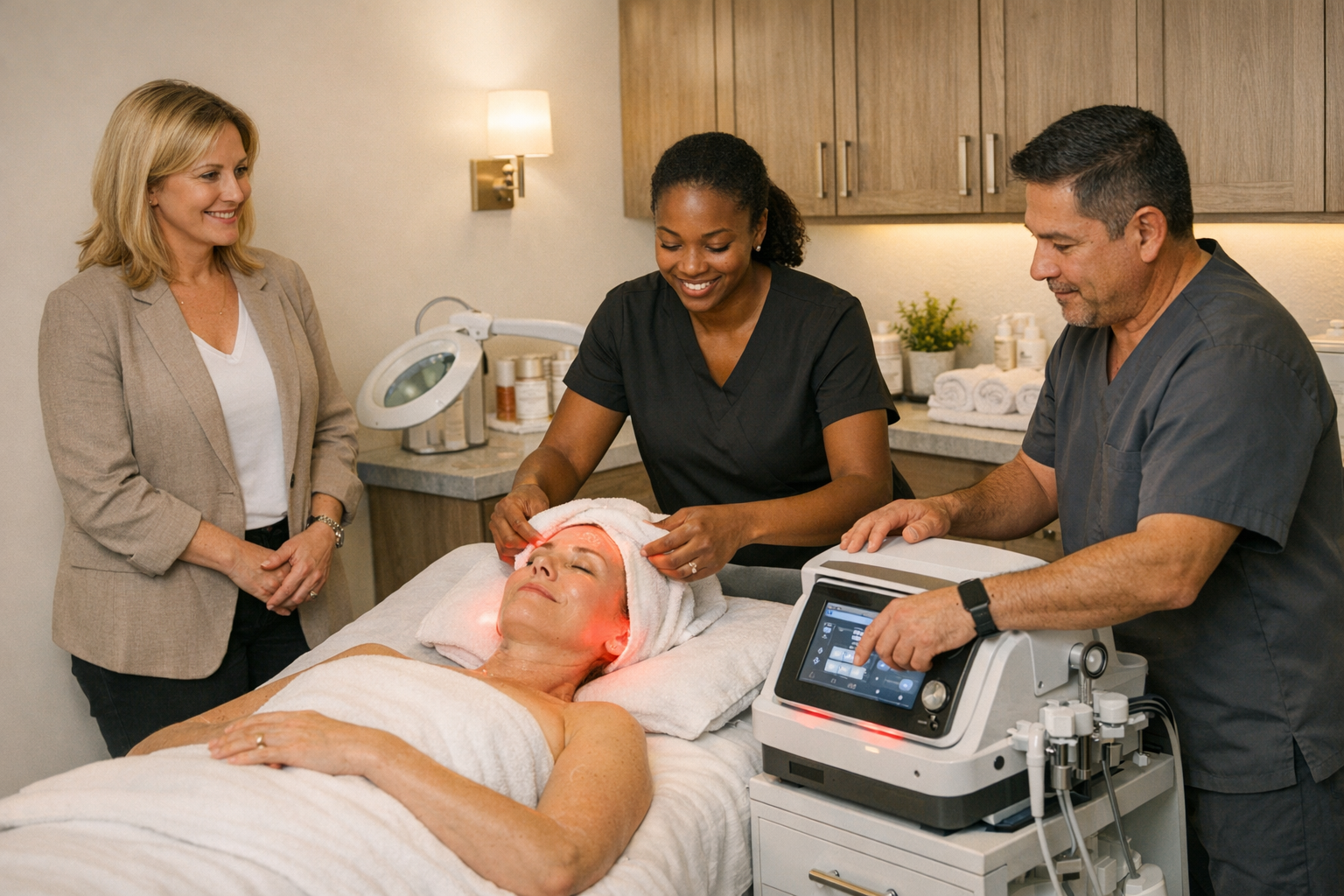
The spa industry has experienced remarkable growth in recent years, creating both opportunities and challenges for business owners. As consumer expectations evolve and competition intensifies, many spa owners find themselves at a crossroads: expand and innovate, or risk falling behind. However, spa service expansion funding planning requires more than just ambition. It demands careful financial strategy, market assessment, and a clear understanding of the resources available to support sustainable growth.
Whether you're considering adding new treatments to your service menu, investing in state-of-the-art equipment, or enhancing your customer experience through facility upgrades, the financial foundation you build today will determine your success tomorrow. This guide explores practical funding approaches designed specifically for spa owners who want to grow thoughtfully while maintaining financial health.
Essential Tips for Planning Your Spa Expansion Budget
When it comes to spa service expansion funding planning, laying the groundwork properly can make the difference between a profitable investment and a financial misstep. The following tips can help you approach your expansion with confidence and clarity.
- Assess Your Current Market Position: Before committing resources to expansion, take time to evaluate where your spa stands in the local market. Understanding your competitive advantages, customer demographics, and growth potential helps you identify which services or upgrades will deliver the strongest return. This assessment might reveal untapped opportunities or areas where your current offerings already excel.
- Calculate True Expansion Costs: Many spa owners underestimate the full scope of expansion expenses. Beyond equipment purchases and facility renovations, consider installation fees, permit costs, insurance adjustments, and operational changes. Creating a comprehensive budget that accounts for both obvious and hidden expenses will prevent unpleasant surprises down the road.
- Build in a Financial Buffer: Even the most carefully planned expansions can encounter unexpected costs or slower-than-anticipated adoption rates. Setting aside a contingency fund of 15-20% of your total expansion budget provides breathing room to address challenges without derailing your entire project or straining your cash flow.
Strategic Funding Options for Service Menu Expansion
Strategic funding options for service menu expansion can help spa owners access the capital they need without compromising their operational stability. Different financial solutions serve different needs, and understanding your options is key to making informed decisions.
- Revenue-Based Financing: This flexible funding option allows spa owners to access capital based on their monthly revenue streams. Repayment adjusts according to your business performance, which can be particularly helpful during seasonal fluctuations common in the spa industry. This approach may offer faster approval processes compared to traditional financing routes.
- Equipment Financing: If your expansion centers on purchasing advanced treatment devices or upgrading existing technology, equipment-specific financing could be a practical choice. This type of funding often uses the equipment itself as collateral, which might simplify the approval process and align payment schedules with the productive lifespan of your new assets.
- Business Lines of Credit: For spa owners planning phased expansions or multiple smaller upgrades over time, a business line of credit provides ongoing access to capital as needed. You only pay interest on the amount you actually use, making this option cost-effective for projects that unfold gradually or require flexibility in timing.
- Short-Term Business Financing: When opportunities arise quickly or when you need to capitalize on seasonal demand, short-term funding options can provide rapid access to capital. These solutions typically feature faster application and approval processes, helping you move forward without missing critical timing windows.
Key Tips for Investing in Advanced Equipment

Equipment investment represents one of the most significant components of spa service expansion funding planning. Making smart choices about which technologies to adopt and how to finance them can significantly impact your return on investment.
- Prioritize Equipment That Serves Multiple Functions: When budget constraints exist, versatile equipment that can deliver several different treatments offers better value than specialized devices with limited applications. Multi-function platforms might cost more upfront but can expand your spa services menu more efficiently and appeal to a broader client base, potentially improving utilization rates and revenue generation.
- Consider Maintenance and Operating Costs: The purchase price tells only part of the equipment investment story. Factor in ongoing expenses like maintenance contracts, consumable supplies, energy consumption, and replacement parts. Some advanced equipment requires specialized servicing or proprietary products that can add substantially to long-term costs, so understanding the total cost of ownership helps you make more accurate financial projections.
- Research Training Requirements Thoroughly: New equipment is only valuable if your staff can operate it safely and effectively. Allocating approximately 10-15% of equipment expansion costs specifically for training and certification ensures your team develops the confidence and competence needed to deliver excellent results. This investment in education protects both your clients and your reputation while maximizing the return on your equipment purchase.
Planning Customer Experience Upgrades
Planning customer experience upgrades as part of your spa service expansion funding planning creates opportunities to differentiate your business and build lasting client loyalty. The physical environment and service quality directly influence client satisfaction and retention.
- Update Reception and Waiting Areas: First impressions matter tremendously in the spa industry. Refreshing your reception area with comfortable seating, calming design elements, and thoughtful amenities sets the tone for the entire client experience. These upgrades might include improved lighting, soothing color schemes, or enhanced privacy features that help clients begin relaxing the moment they arrive.
- Enhance Treatment Room Ambiance: The treatment room environment significantly affects how clients perceive service quality. Consider upgrades like improved sound systems for relaxation music, adjustable lighting that creates the perfect atmosphere, temperature control systems for client comfort, and premium linens that convey luxury. These details may seem small individually but collectively create memorable experiences that encourage repeat visits.
- Invest in Technology for Convenience: Modern clients appreciate conveniences like online booking systems, automated appointment reminders, digital intake forms, and contactless payment options. These technological improvements streamline operations while meeting contemporary expectations for efficiency and ease of use.
- Create Specialized Treatment Spaces: If your expansion includes new service categories, consider whether dedicated spaces would enhance delivery and results. For example, separate areas for quiet treatments versus social services, or specialized rooms with unique equipment or ambiance requirements, can improve both operational flow and client satisfaction.
Financial Planning for New Treatment Additions
Financial planning for new treatment additions requires balancing investment costs against revenue potential and market demand. Smart spa service expansion funding planning considers both immediate expenses and long-term profitability.
- Research Market Demand Thoroughly: Before investing in new services, investigate what your target clientele actually wants. Client surveys, competitor analysis, and industry trend research help you identify which new treatments are most likely to succeed in your specific market. This groundwork reduces the risk of investing in services that generate insufficient demand to justify their costs.
- Calculate Break-Even Points: For each new treatment you're considering, determine how many sessions you'll need to sell to recover your initial investment. This calculation should include equipment costs, training expenses, marketing spend, product inventory, and the allocated portion of any facility modifications. Understanding these numbers helps you set realistic expectations and pricing strategies.
- Develop Phased Implementation Plans: Rather than launching multiple new treatments simultaneously, consider a staggered approach that spreads costs over time and allows you to learn from each addition before making the next investment. This strategy reduces financial strain and provides opportunities to refine your approach based on real-world feedback and performance data.
- Plan Marketing Budgets Appropriately: New treatments require promotion to build awareness and drive trial among your existing clients and attract new ones. Setting aside adequate marketing funds as part of your expansion budget ensures you can effectively communicate your enhanced offerings and generate the appointment volume needed to make your investment worthwhile.
Managing Cash Flow During Expansion
Managing cash flow during expansion periods can be challenging, as you're simultaneously investing significant capital while maintaining regular operations. Effective spa service expansion funding planning addresses both growth investments and ongoing financial stability.
- Maintain Operational Reserves: Even as you allocate funds toward expansion, keep sufficient working capital available to cover regular expenses like payroll, rent, utilities, and inventory. Running too lean during expansion periods can create stress and potentially compromise service quality if unexpected expenses arise or if new services take longer to gain traction than anticipated.
- Monitor Revenue Cycles Closely: Expansion periods often create temporary disruptions to normal revenue patterns. Perhaps certain treatment rooms are offline during renovations, or staff time is divided between existing clients and training for new services. Tracking these patterns carefully helps you anticipate and plan for potential cash flow gaps before they become problematic.
- Consider Gradual Implementation: If possible, structure your expansion so that some new revenue streams begin flowing before all expansion costs are incurred. This approach might involve launching less capital-intensive services first, using those revenues to help fund subsequent phases, creating a more self-sustaining growth cycle.
- Communicate Transparently with Funding Partners: If you're working with lenders or other financial partners, maintaining open communication about your expansion progress, challenges, and successes builds trust and may provide flexibility if you need to adjust payment schedules or access additional capital. Most funding partners appreciate proactive communication and may offer solutions you hadn't considered.
Thoughtful spa service expansion funding planning represents an investment in your business's future and your clients' satisfaction. By carefully assessing your market position, exploring appropriate funding options, and strategically allocating resources toward new treatments, equipment investment, and customer experience upgrades, you can grow your spa in ways that enhance both profitability and reputation.
Remember that successful expansion isn't about implementing every possible improvement at once. Instead, it's about identifying the specific enhancements that align with your business goals, meet genuine market demand, and fit within a sustainable financial framework. Taking time to plan thoroughly, budget realistically, and choose funding solutions that match your circumstances typically leads to smoother implementation and stronger long-term results.
As the spa industry continues evolving and client expectations grow more sophisticated, staying competitive often requires periodic reinvestment in your facilities, services, and team capabilities. With smart planning and strategic funding, you can navigate these growth opportunities confidently, positioning your spa for continued success in an increasingly dynamic marketplace.