
.png)
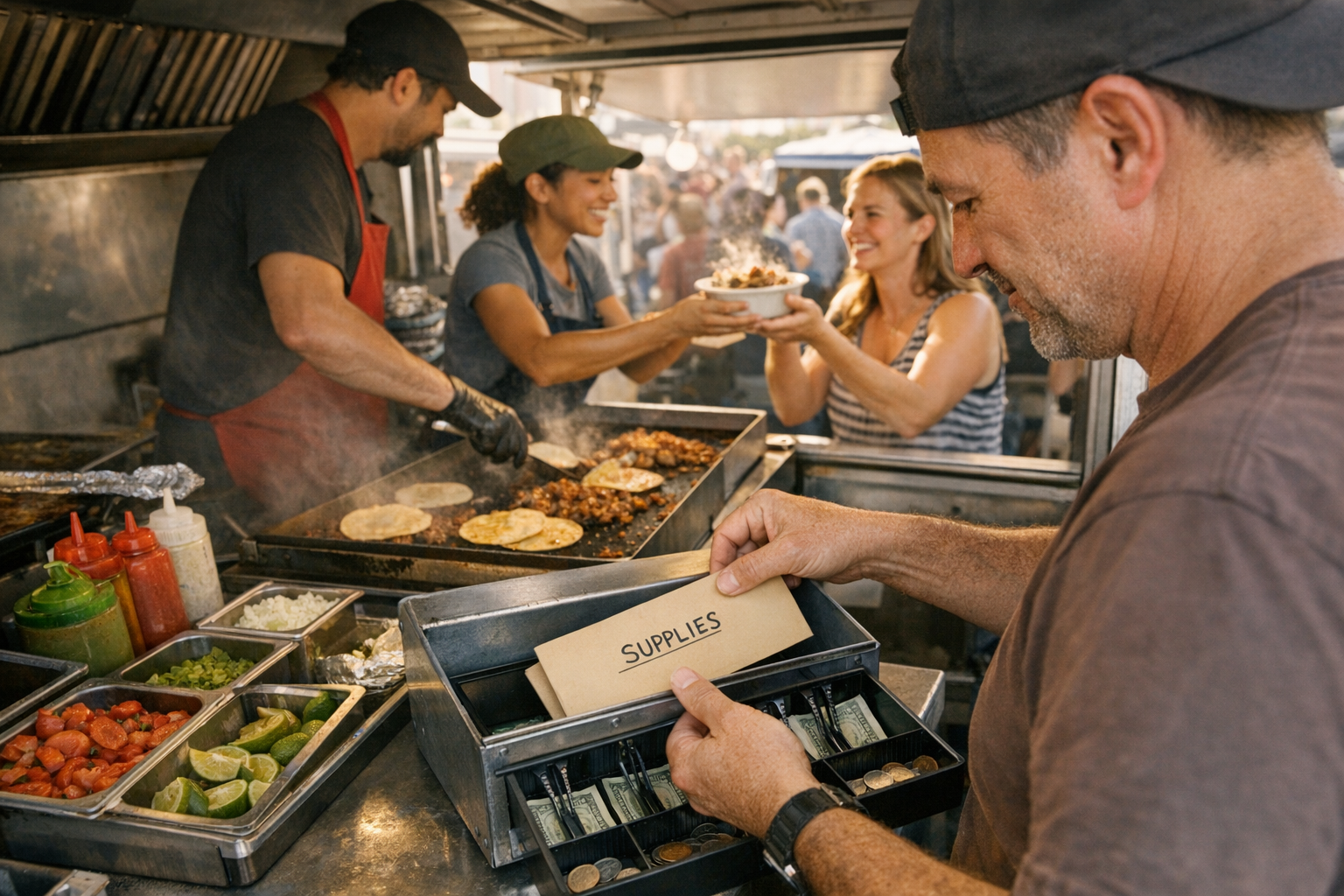
Running a food truck business might seem like a dream come true, but the reality often includes navigating significant financial challenges. The top 5 cash flow gaps food trucks face can make or break even the most passionate culinary entrepreneurs. From unexpected equipment repairs to seasonal revenue fluctuations, these mobile food businesses must constantly juggle various financial pressures that traditional restaurants don't typically encounter.
Understanding these common cash flow obstacles is the first step toward building a more resilient food truck operation. While the industry continues to evolve with new trends and technologies, the fundamental financial challenges remain consistent across most mobile food ventures.
Event Deposit Requirements and Upfront Costs
Event deposit requirements and upfront costs represent one of the most significant cash flow challenges food truck operators encounter. Many high-revenue events require substantial deposits weeks or months before the actual event takes place.
- Festival participation fees: Large food festivals often require deposits ranging from hundreds to thousands of dollars
- Permit and licensing costs: Various locations may demand upfront payments for operating permits
- Vendor booth reservations: Popular events typically require early booking with full payment
- Equipment rental deposits: Special events might necessitate additional equipment with security deposits
These upfront expenses can strain cash flow, especially for newer food truck businesses that haven't yet built substantial financial reserves. The challenge becomes even more pronounced when event organizers require payment months in advance, creating a significant gap between cash outflow and revenue generation.
Fuel Costs and Transportation Expenses
Fuel costs and transportation expenses create ongoing financial pressure that distinguishes food trucks from stationary restaurants. Unlike traditional food service businesses, mobile operations must factor in substantial transportation costs as part of their daily operations.
- Daily fuel consumption: Moving between locations requires consistent fuel expenditure
- Route planning inefficiencies: Poor route management can significantly increase fuel costs
- Vehicle maintenance: Regular upkeep becomes essential for reliable operation
- Emergency transportation costs: Unexpected breakdowns can result in costly towing services
These transportation-related expenses can fluctuate dramatically based on fuel prices, seasonal demand, and operational efficiency. Food truck operators often find themselves caught between rising fuel costs and the need to maintain competitive pricing for their menu items.
Prep Supplies and Inventory Management

Prep supplies and inventory management present unique challenges for food truck operations due to limited storage space and the need for fresh ingredients. Managing inventory effectively while maintaining cash flow requires careful planning and execution.
- Fresh ingredient procurement: Daily or frequent purchasing requirements tie up working capital
- Waste minimization efforts: Limited storage space increases risk of spoilage and waste
- Supplier payment terms: Many suppliers require immediate payment rather than extended terms
- Emergency ingredient purchases: Unexpected demand can force costly last-minute shopping trips
- Seasonal ingredient pricing: Fluctuating costs affect menu pricing and profit margins
The compact nature of food truck operations means inventory turnover must be precisely managed to avoid tying up excessive capital in supplies while ensuring adequate stock for customer demand.
Seasonal Revenue Fluctuations
Seasonal revenue fluctuations represent one of the most predictable yet challenging aspects of food truck cash flow management. Understanding and preparing for these seasonal shifts can help operators maintain financial stability throughout the year.
- Weather dependency: Rain, snow, and extreme temperatures directly impact customer traffic and sales
- Event calendar variations: Summer festivals and outdoor events generate higher revenue than winter months
- Tourist season impacts: Areas dependent on tourism experience significant revenue swings
- School schedule effects: Food trucks serving school areas face reduced income during breaks
- Holiday period changes: Customer spending patterns shift during various holiday seasons
These seasonal variations require food truck operators to build cash reserves during peak periods to sustain operations through slower months. Planning for these fluctuations becomes essential for long-term business viability.
Equipment Repairs and Maintenance
Equipment repairs and maintenance create unpredictable cash flow challenges that can significantly impact food truck profitability. The mobile nature of these businesses puts additional stress on equipment, leading to more frequent repair needs.
- Generator maintenance: Power systems require regular servicing and occasional major repairs
- Refrigeration failures: Critical cooling systems can fail unexpectedly, requiring immediate attention
- Cooking equipment issues: Grills, fryers, and other appliances face heavy use in compact spaces
- Vehicle maintenance: The truck itself requires regular mechanical upkeep
- Emergency repair costs: Breakdowns during peak business times result in lost revenue plus repair expenses
The combination of lost revenue during downtime and unexpected repair costs can create significant financial strain. Many food truck operators struggle to balance the need for immediate repairs with limited cash reserves.
Building Financial Resilience
Building financial resilience becomes crucial for food truck operators who want to navigate the top 5 cash flow gaps food trucks face successfully. While these challenges may seem overwhelming, implementing strategic financial planning can help create stability and growth opportunities. Monitoring key performance indicators, as suggested in industry research, can help operators achieve quicker breakeven points and better manage their financial health. Creating detailed business plans that emphasize funding strategies and financial planning can also provide the foundation needed to secure additional financing when cash flow gaps become too challenging to manage independently. The food truck industry continues evolving, and operators who adapt their financial strategies accordingly tend to achieve better long-term success.
The top 5 cash flow gaps food trucks face represent significant but manageable challenges for determined operators. From event deposits and fuel costs to prep supplies, seasonal shifts, and equipment repairs, these financial hurdles require proactive planning and strategic thinking.
Success in the food truck industry often depends on anticipating these cash flow challenges and developing systems to address them before they become critical. Whether through better financial planning, strategic partnerships, or alternative financing options, food truck operators have various tools available to smooth out these inevitable cash flow gaps.
Understanding these challenges is the first step toward building a more resilient and profitable food truck business that can weather the financial storms inherent in mobile food service operations.