.png)
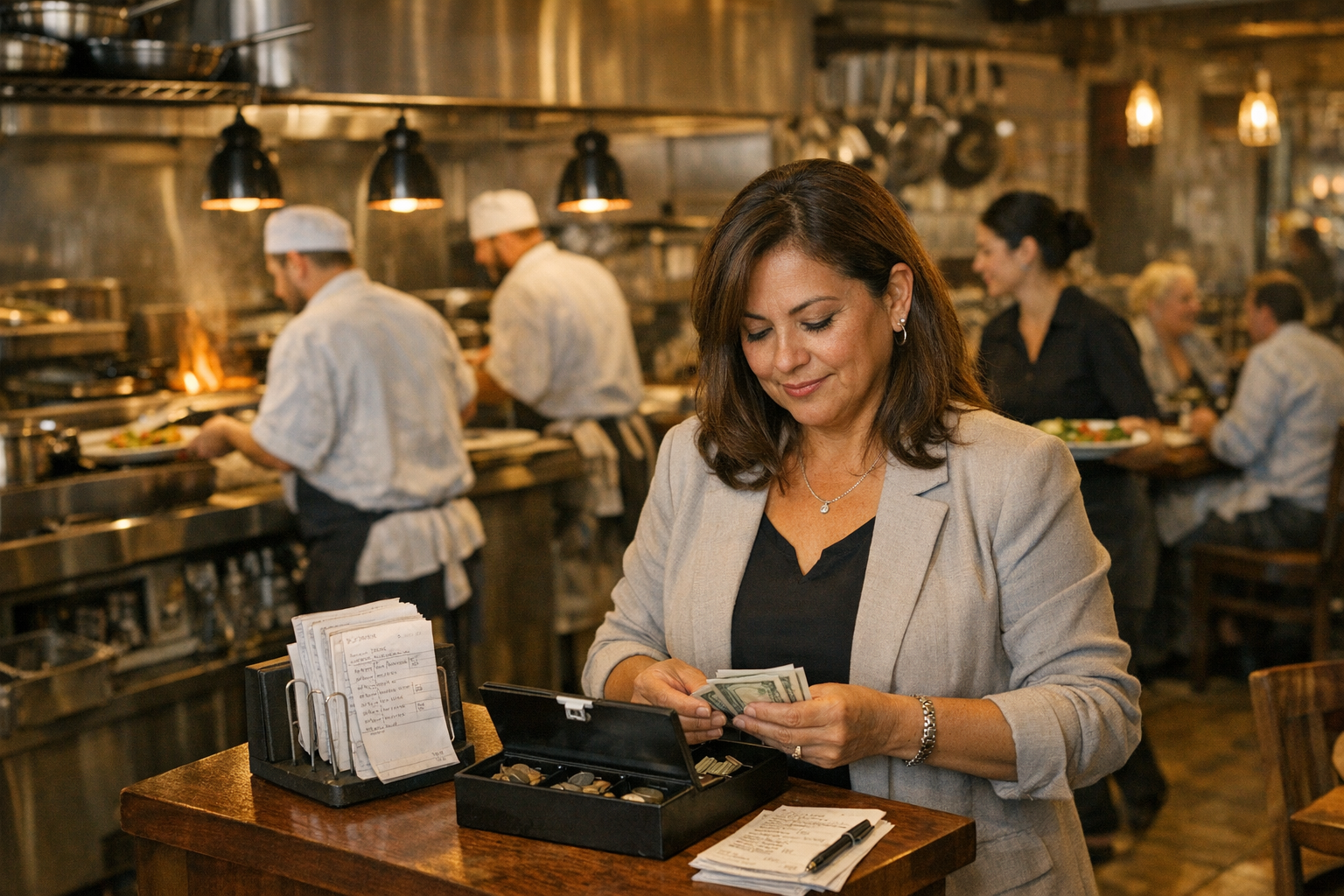
Financial Mastery: What Sets Successful Restaurants Apart
Running a profitable restaurant in today's challenging market requires more than great food and excellent service. The top 5 financial habits successful restaurant owners share form the foundation of sustainable business operations. With rising labor costs, supply chain pressures, and evolving consumer demands, restaurant owners who master these financial disciplines often find themselves ahead of the competition.
These habits aren't just theoretical concepts, they're practical strategies that restaurant leaders are actively using to navigate economic uncertainties and protect their bottom lines. From meticulous cash tracking to strategic planning ahead, these financial practices might mean the difference between thriving and merely surviving in the competitive restaurant landscape.
Strategic Cash Flow Management and Tracking Systems

Strategic cash flow management and tracking systems represent the cornerstone of restaurant financial success. Successful restaurant owners understand that proactive cash flow tracking may prevent financial shortfalls and ensures smooth operations throughout challenging periods.
- Mapping major monthly expenses including payroll, supplier payments, and rent to anticipate cash needs
- Implementing tracking systems that monitor daily cash positions and identify potential shortages before they occur
- Maintaining sufficient cash reserves to cover essential liabilities during slower business periods
- Creating detailed expense categorization systems that provide clear visibility into spending patterns
The importance of cash tracking cannot be overstated, particularly for restaurants operating within tight margins. Owners who excel at this habit typically use structured approaches to monitor their cash flow, which allows them to make informed decisions about spending and investments. This level of financial awareness often helps restaurant owners avoid the cash shortages that can cripple operations during unexpected downturns or seasonal fluctuations.
Disciplined Cost Control and Prime Cost Management
Disciplined cost control and prime cost management separate successful restaurant owners from those who struggle to maintain profitability. This financial habit involves implementing systematic approaches to monitor and control the two largest expense categories in restaurant operations.
- Establishing clear budgets for food costs and labor expenses with regular monitoring systems
- Implementing portion control measures and inventory management protocols to minimize waste
- Analyzing supplier costs regularly and negotiating better terms when possible
- Tracking prime costs as a percentage of revenue to maintain optimal profit margins
Restaurant leaders who practice effective cost discipline often find they can weather economic storms more successfully than their competitors. This approach requires consistent attention to detail and the willingness to make tough decisions when costs begin to creep upward. The habit of maintaining strict cost control typically extends beyond just watching numbers, it involves creating systems and processes that support efficient operations throughout the organization.
Proactive Financial Planning and Budget Development
Proactive financial planning and budget development represent essential habits that successful restaurant owners use to navigate uncertain economic conditions. Planning ahead allows restaurant operators to adapt their strategies before challenges become critical issues.
- Developing comprehensive annual budgets that account for seasonal fluctuations and anticipated cost increases
- Creating contingency plans for various economic scenarios including minimum wage increases and supply cost changes
- Setting aside funds for equipment maintenance, renovations, and unexpected expenses
- Establishing clear financial goals and milestones to measure progress throughout the year
The practice of planning ahead might provide restaurant owners with significant advantages when facing industry challenges. Those who invest time in developing structured financial plans often find themselves better positioned to handle unexpected costs or market changes. This habit requires restaurant owners to think beyond daily operations and consider the longer-term financial health of their businesses, which can lead to more strategic decision-making overall.
Advanced Expense Tracking and Financial Technology Integration
Advanced expense tracking and financial technology integration have become crucial habits for restaurant owners seeking to optimize their financial operations. Modern tracking techniques and technologies can enhance cash flow management and support better financial decision-making.
- Utilizing digital expense tracking systems that categorize spending automatically and provide real-time insights
- Implementing integrated point-of-sale systems that connect sales data with expense tracking for comprehensive reporting
- Adopting mobile apps and cloud-based platforms that allow for expense monitoring from anywhere
- Creating automated alerts for unusual spending patterns or budget overages
Restaurant owners who embrace efficient expense tracking often discover opportunities for cost savings that might otherwise go unnoticed. These systems can provide valuable data for tax planning and help identify trends that inform strategic decisions. The integration of technology into financial tracking processes typically leads to more accurate record-keeping and can significantly reduce the time spent on manual bookkeeping tasks.
Essential Steps to Implement These Financial Habits
Essential steps to implement these financial habits require a systematic approach that builds sustainable practices over time. Restaurant owners can start developing these habits by taking concrete actions that gradually improve their financial management capabilities.
- Begin with a comprehensive financial assessment of your current cash flow patterns and expense categories to establish baseline measurements
- Implement daily cash tracking procedures using either digital tools or simple spreadsheet systems to monitor financial position consistently
- Develop monthly budget reviews that compare actual performance against planned targets and identify areas for improvement
- Create standardized procedures for expense approval and tracking that all staff members can follow to maintain consistency
- Schedule quarterly planning sessions to review financial goals and adjust strategies based on performance and market conditions
The process of developing strong financial habits typically takes time and consistent effort. Restaurant owners who commit to implementing these practices systematically often see improvements in their financial stability and operational efficiency. Success in building these habits may depend on starting with manageable changes and gradually expanding the scope of financial management activities as systems become more established.
The top 5 financial habits successful restaurant owners share provide a roadmap for building sustainable, profitable operations in an increasingly challenging industry. From implementing robust cash tracking systems to embracing advanced expense monitoring technologies, these practices form the foundation of financial success in restaurant management.
Restaurant owners who consistently apply these habits often find themselves better equipped to handle economic uncertainties and operational challenges. The combination of strategic planning, disciplined cost control, and proactive cash management creates a strong financial foundation that can support long-term business growth.
At Trulo Capital, we understand the financial challenges restaurant owners face and the importance of maintaining healthy cash flow. Whether you're looking to implement better financial tracking systems or need additional working capital to support your operations, we're here to help successful restaurant owners achieve their financial goals.