.png)
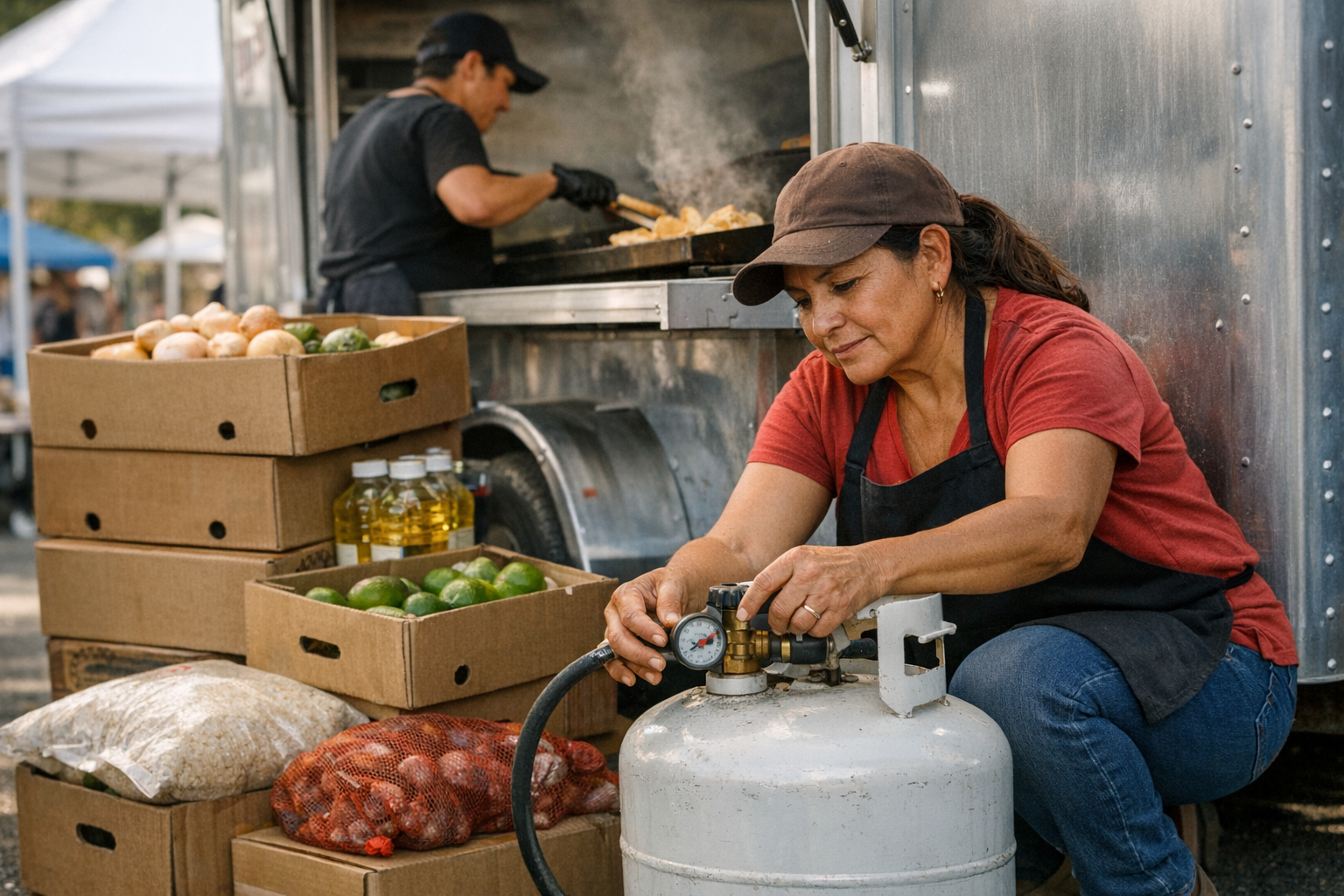
Running a successful food truck requires careful attention to every dollar spent, especially when it comes to food truck managing fuel and supply costs. These two expense categories can make or break your profit margins, particularly when prices fluctuate unpredictably. Smart operators know that controlling these costs isn't just about finding cheaper options, it's about implementing strategic systems that create long-term savings. With the right approach, you can maintain quality while protecting your bottom line from volatile market conditions.
Common Questions About Food Truck Cost Management
Food truck managing fuel and supply costs raises several important questions for operators looking to optimize their expenses.
Q: What percentage of revenue should fuel costs represent?
Fuel costs typically range from 10-15% of total operating expenses for most food trucks, though this can vary based on your route frequency and cooking fuel needs. Monitoring this ratio helps identify when costs are getting out of control.
Q: How often should I review supplier contracts?
Most successful operators review their supply agreements quarterly to ensure they're getting competitive pricing. Market conditions change frequently, and regular reviews may reveal better opportunities or highlight areas where costs have crept up without notice.
Essential Equipment for Cost Control

The right equipment investments can significantly reduce your ongoing operating expenses by improving efficiency and reducing waste.
- Energy-efficient appliances that consume less propane and electricity, directly cutting your fuel costs while maintaining cooking performance
- Route planning software that optimizes your daily travel patterns to minimize unnecessary fuel consumption and maximize profitable stops
- Inventory management systems that track supply usage patterns and help prevent over-ordering or waste from spoilage
- Fuel monitoring devices that track both vehicle and cooking fuel consumption to identify inefficiencies before they impact your budget
Smart Purchasing Strategies
Strategic purchasing approaches can dramatically reduce your supply costs without compromising food quality or service standards.
- Bulk buying cooperatives where multiple food trucks pool orders to achieve volume discounts on frequently used ingredients and supplies
- Seasonal menu planning that takes advantage of ingredient price cycles and availability to reduce costs during peak pricing periods
- Local supplier relationships that may offer better pricing and reduced transportation costs compared to large distributor networks
- Alternative product sourcing that identifies comparable ingredients or supplies at lower costs without affecting your menu quality
Route Planning for Maximum Efficiency
Effective route planning serves as one of the most powerful tools for controlling fuel expenses while potentially increasing revenue opportunities.
- Technology-driven optimization that calculates the most fuel-efficient paths between profitable locations and reduces unnecessary mileage
- Customer density mapping that helps identify high-traffic areas where you can serve more customers per mile traveled
- Time-based scheduling that aligns your location changes with peak demand periods to maximize sales while minimizing fuel costs
Building Effective Supplier Relationships
Strong supplier partnerships often lead to better pricing, more flexible terms, and advance notice of price changes that could affect your budget.
- Establish payment reliability by consistently meeting payment terms, which may qualify you for early payment discounts or preferred customer pricing
- Communicate volume projections to help suppliers plan their inventory and potentially offer better rates for predictable orders
- Develop backup supplier relationships to maintain leverage in negotiations and ensure supply continuity during market disruptions
- Request transparent pricing that breaks down costs so you understand what drives price changes and can plan accordingly
Monitoring and Adjusting Your Approach
Regular monitoring of your cost management strategies ensures they continue delivering results as market conditions and your business needs evolve.
- Track key performance indicators like cost per mile, food cost percentage, and fuel efficiency to identify trends before they become problems
- Compare actual costs to budgets monthly to catch deviations early and adjust strategies before they significantly impact profitability
- Analyze seasonal patterns in both fuel and supply costs to better predict and prepare for predictable expense fluctuations
- Document successful strategies that work well so you can replicate them consistently and share best practices with your team
Successfully managing fuel and supply costs requires ongoing attention and strategic thinking, but the payoff in improved profitability makes the effort worthwhile. By implementing energy-efficient equipment, optimizing your routes, building strong supplier relationships, and monitoring your progress regularly, you can create a sustainable cost structure that withstands market volatility. Remember that small improvements in multiple areas often add up to significant savings over time. When your cost management strategies need funding support, consider exploring financing options that provide the funding flexibility to invest in efficiency improvements without straining your cash flow.