.png)
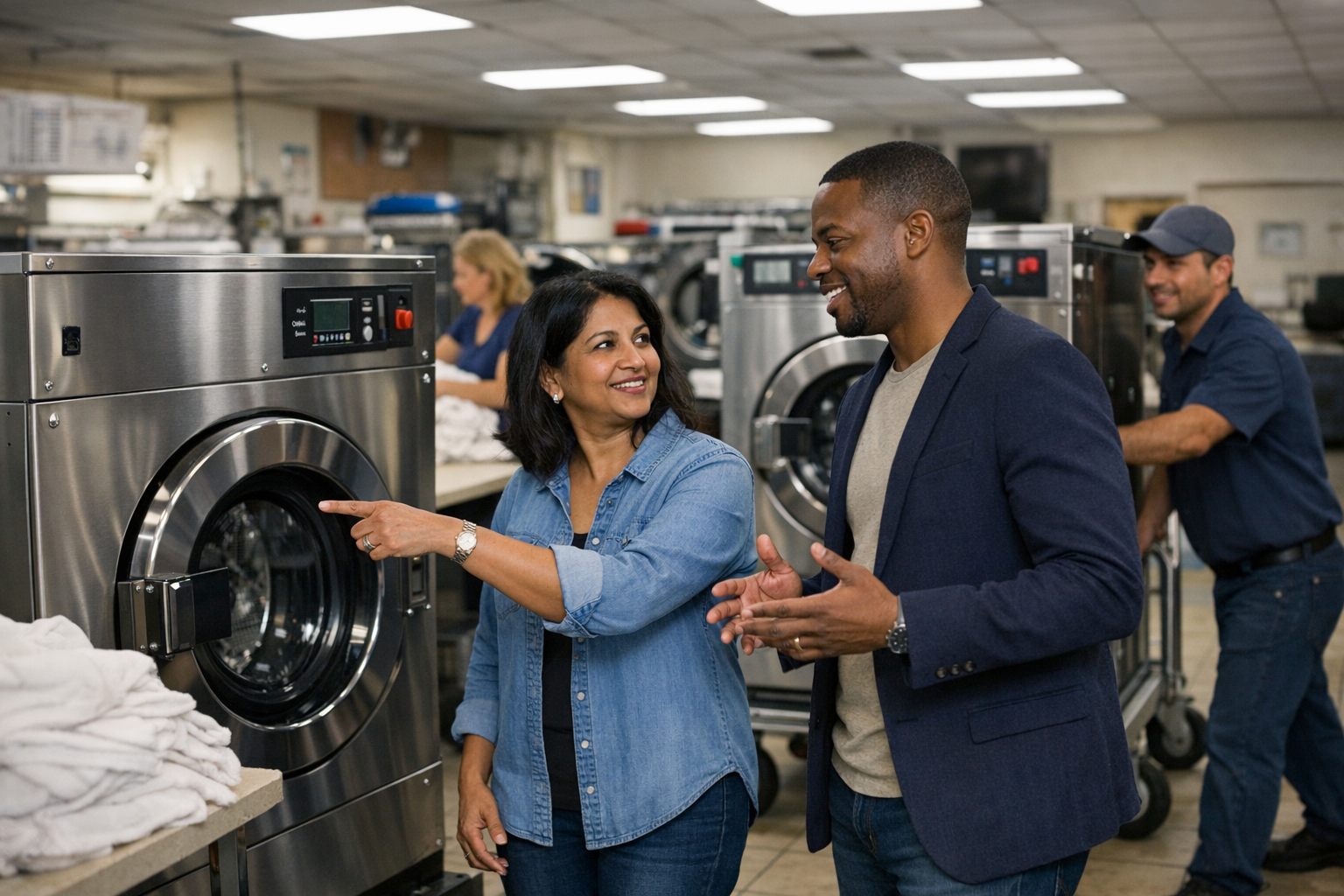
Growing a laundry business isn't just about adding more machines or opening new doors. It's about smart planning, understanding your market, and making strategic investments that pay off. When you're ready to take your operation to the next level, a thoughtful approach to laundry business expanding service capacity can make all the difference between strained resources and profitable growth.
Whether you're considering machine additions at your current site or exploring location growth opportunities, the decisions you make today will shape your business for years to come. Many successful laundry operators have learned that expansion requires more than capital. It demands a clear vision, practical funding planning, and a willingness to adapt services to meet evolving customer needs.
This guide walks you through essential strategies for scaling your laundry operation effectively, drawing on proven methods that help businesses grow sustainably while maintaining service quality and customer satisfaction.
Strategic Planning for Service Capacity Growth
Before jumping into machine purchases or signing lease agreements for new locations, strategic planning for service capacity growth lays the foundation for success. A well-thought-out expansion plan helps you avoid costly mistakes and ensures your investment delivers returns.
- Assess Your Current Operations: Take a close look at your existing capacity utilization. Are your machines running at full capacity during peak hours? Understanding your current bottlenecks helps identify where additional capacity would make the most impact, whether that's more washers, dryers, or even specialized equipment for commercial clients.
- Research Your Market: Location growth works best when you understand local demand. Study demographics, competition, and customer preferences in potential new areas. A neighborhood with young families might benefit from wash-and-fold services, while areas with businesses could support commercial contracts.
- Create a Phased Approach: Rapid expansion can strain finances and operations. Many successful operators grow in stages, adding machines first, then expanding hours or services, and finally considering additional locations once systems are proven and profitable.
- Develop Clear Financial Projections: Map out expected costs for equipment, installation, permits, and operational expenses. Compare these against realistic revenue projections based on your research. This financial roadmap becomes essential when you're ready to secure funding for your expansion.
Having a comprehensive checklist for your expansion ensures you don't overlook critical elements like permits, utility requirements, or layout considerations. These foundational elements might seem mundane, but they're crucial for avoiding delays and ensuring your expanded operations run smoothly from day one.
Machine Additions and Equipment Considerations
When it comes to laundry business expanding service capacity, machine additions often provide the most direct path to increased revenue. However, choosing the right equipment requires careful consideration beyond just buying more of what you already have.
- Match Equipment to Customer Needs: Different machines serve different purposes. High-capacity commercial washers might attract customers with bulky items like comforters, while smaller, efficient units could serve the everyday laundry crowd. Understanding your customer base helps you invest in equipment that actually gets used.
- Consider Energy Efficiency: Newer machines typically consume less water and energy, which can significantly impact your operating costs as you scale. While the upfront investment might be higher, efficient equipment can improve your bottom line over time, especially as utility bills multiply across multiple locations.
- Plan for Ancillary Equipment: Expansion isn't just about washers and dryers. Folding tables, seating areas, vending machines for detergent and snacks, and even ATMs can enhance the customer experience. These additions may seem minor, but they contribute to customer convenience and can generate additional revenue streams.
- Factor in Maintenance and Repairs: More machines mean more potential maintenance issues. As you add capacity, consider whether you have reliable service providers and whether you'll need backup equipment to maintain operations when repairs are needed. Some operators find that having one extra machine as a backup is worth the investment.
The right equipment mix varies by location and customer base. What works perfectly in one neighborhood might underperform in another. That's why successful expansion typically involves testing and adjusting your equipment lineup based on actual usage patterns and customer feedback.
Diversifying Services to Maximize Capacity
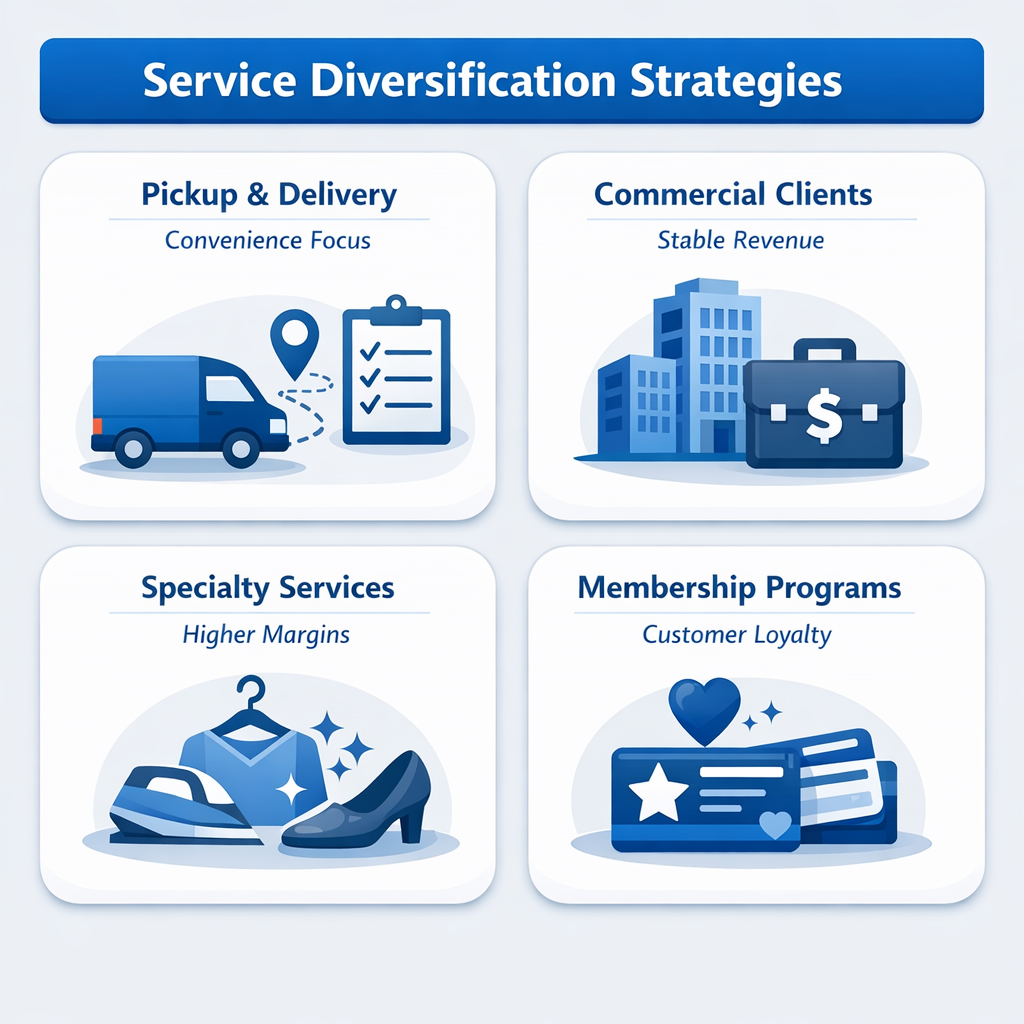
Adding machines and locations increases capacity, but diversifying services to maximize capacity can dramatically improve profitability without necessarily requiring massive capital investments. Smart service expansion helps you serve more customers and generate revenue from underutilized hours.
- Implement Pickup and Delivery Options: This service can tap into a customer segment that values convenience over cost savings. Busy professionals, elderly customers, and families with limited time often appreciate the option to have laundry handled for them. This service typically commands premium pricing and can keep your machines running during traditionally slower periods.
- Target Commercial Clients: Restaurants, salons, gyms, and medical offices need regular laundry services. Commercial contracts provide predictable revenue and can fill capacity during weekday business hours when residential customers are at work. These relationships often prove more stable than individual customer traffic.
- Offer Specialty Services: Dry cleaning, alterations, or specialized cleaning for items like wedding dresses or delicate fabrics can differentiate your business. While these services might require additional training or equipment, they attract customers who might not otherwise visit a laundromat and can command higher margins.
- Create Membership Programs: Subscription models or loyalty programs encourage repeat business and help predict revenue. Customers might pay a monthly fee for unlimited washing or receive discounts after a certain number of visits. These programs build customer loyalty while smoothing out revenue fluctuations.
The key to successful service diversification is understanding what your specific market wants and what you can deliver consistently. Not every service fits every location, and trying to do too much can dilute your brand and overwhelm your operations.
Location Growth and Multi-Site Operations
Opening additional locations represents a significant step in laundry business expanding service capacity. While location expansion can multiply revenue, it also introduces operational complexity that requires careful management and planning.
- Choose Locations Strategically: Successful sites typically feature high visibility, adequate parking, and proximity to residential areas or apartment complexes. Traffic patterns, local competition, and neighborhood demographics all play crucial roles. A location that works in theory might fail in practice if customers find it inconvenient or unsafe.
- Standardize Operations Across Sites: As you grow beyond a single location, consistency becomes essential. Standardized pricing, service offerings, and operational procedures help maintain your brand identity and make management more efficient. However, some flexibility might be needed to address unique local market conditions.
- Invest in Management Systems: Multi-site operations benefit greatly from centralized management tools that track performance, monitor equipment status, and manage finances across locations. These systems help you identify which sites perform well and which might need operational adjustments or marketing support.
- Build a Reliable Team: You can't be everywhere at once. Location growth requires hiring trustworthy managers and staff who can maintain service quality when you're not physically present. Training programs and clear operational guidelines help ensure consistent customer experiences across all your sites.
Many operators find that their second location teaches them more than their first. The lessons learned from managing multiple sites, coordinating supplies, and maintaining quality across different neighborhoods shape how they approach future expansion. Patience during this learning phase can prevent costly mistakes down the road.
Funding Planning for Sustainable Expansion
Smart funding planning separates successful expansion from financial strain. Understanding your financing options and creating a realistic budget ensures your growth doesn't compromise your existing operations or personal finances. Here's a step-by-step approach to funding planning for your laundry business expansion:
- Calculate Total Investment Needs: Start by documenting every expense associated with your expansion. Include equipment purchases, installation costs, lease deposits, permits and licenses, initial inventory of supplies, signage, and a cash reserve for the first few months of operation. Many operators underestimate these costs and find themselves stretched thin during the critical early months.
- Evaluate Your Current Financial Position: Review your existing cash flow, profitability, and any outstanding debts. Lenders and funding sources will want to see that your current operation is financially healthy before supporting expansion. Strong current performance demonstrates your ability to manage growth effectively.
- Compare Financing Options: Traditional bank financing might offer lower rates but often requires extensive documentation and collateral. Alternative financing options, such as equipment financing or revenue-based funding, might provide faster access to capital with less stringent requirements. Each option has trade-offs in terms of cost, approval time, and repayment terms.
- Project Cash Flow Impact: Model how debt payments will affect your cash flow. Can your existing location support loan payments while a new site ramps up? Building conservative projections that account for slower-than-expected growth helps ensure you don't overextend yourself financially.
- Plan for Contingencies: Expansion rarely goes exactly as planned. Equipment might cost more than quoted, renovations might uncover unexpected issues, or customer adoption might be slower than projected. Successful operators build contingency funds into their financing plans, typically adding 10-20% to their projected costs as a buffer.
The right funding approach depends on your specific situation, growth timeline, and risk tolerance. Some operators prefer conservative growth funded largely from profits, while others leverage financing to grow more quickly. Neither approach is inherently better, what matters is choosing a path that aligns with your goals and financial capacity while supporting sustainable growth.
Expanding your laundry business service capacity represents an exciting opportunity to grow revenue and serve more customers. Whether you're adding machines to your current location, opening new sites, or diversifying your services, success comes from thoughtful planning and strategic execution.
The most successful expansions share common traits: they're based on solid market research, supported by realistic financial planning, and implemented in manageable phases. By understanding your customers' needs, choosing equipment wisely, and securing appropriate funding, you position your business for sustainable growth rather than risky overextension.
Remember that expansion is a journey, not a destination. Each step teaches valuable lessons that inform future decisions. Stay flexible, monitor your results closely, and be willing to adjust your approach based on what the market tells you. With careful planning and strategic investments, your laundry business can grow its service capacity while maintaining the quality and customer service that built your reputation in the first place.