
.png)

Managing your business finances can feel like juggling multiple balls at once. You've got daily operations to fund, payroll to meet, inventory to stock, and unexpected expenses that pop up when you least expect them. That's where working capital comes in. It's the lifeblood that keeps your business running smoothly day after day.
Working capital represents the funds available to cover your short-term obligations and keep operations moving forward. When used efficiently, it can be the difference between a business that thrives and one that struggles to keep its doors open. The best 6 ways to use working capital efficiently aren't complicated, but they do require intentional planning and consistent execution.
In this guide, we'll walk through practical strategies that small business owners can implement right away to optimize their working capital. These approaches may help you maintain better cash flow, reduce financial stress, and position your business for sustainable growth.
Optimize Your Payment Terms and Accounts Payable
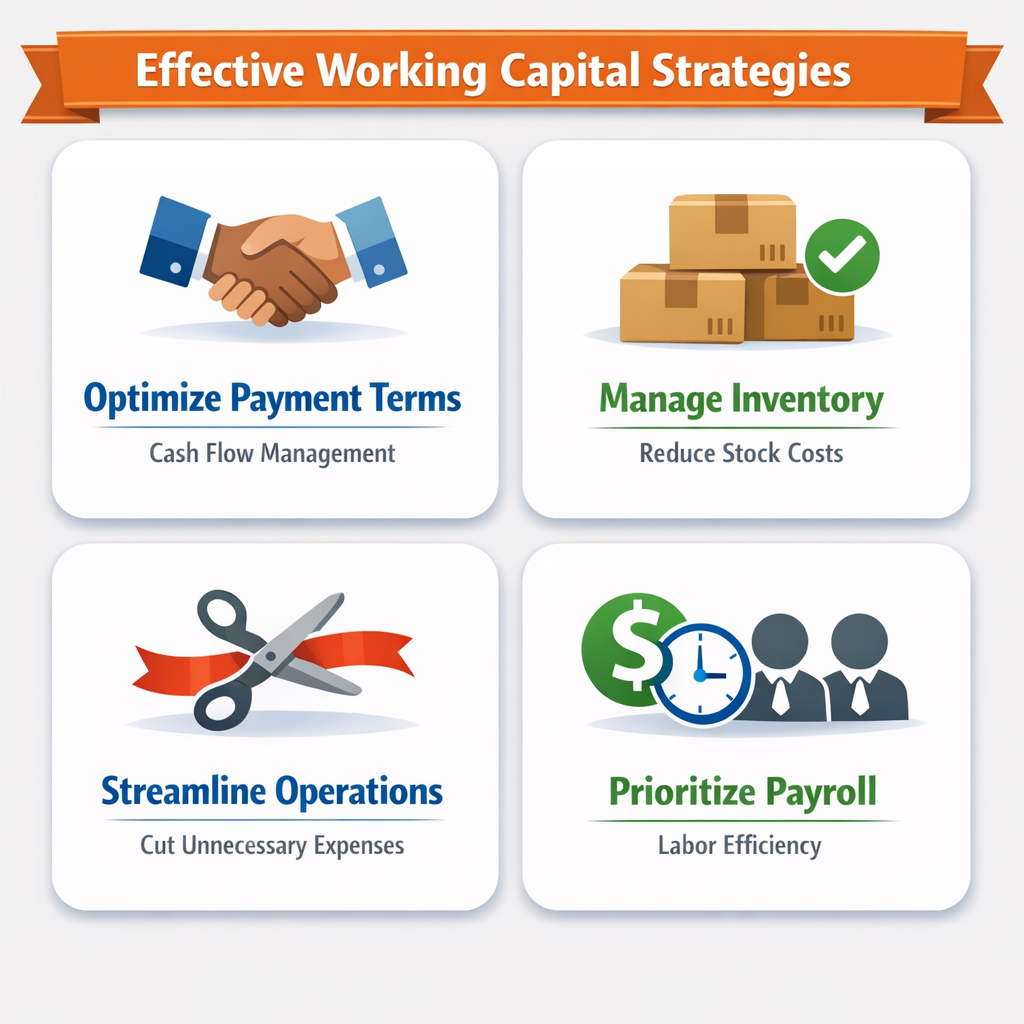
One of the best 6 ways to use working capital efficiently starts with how you manage what you owe. Optimizing your payment terms and accounts payable can significantly impact your cash flow without requiring additional funding.
- Negotiate Extended Payment Terms: Reach out to your suppliers and vendors to discuss extending payment deadlines from 30 to 45 or even 60 days. This approach may give you more breathing room to collect receivables before payments come due, improving your cash position.
- Take Advantage of Early Payment Discounts: Some vendors offer discounts if you pay invoices early. When your working capital allows, these discounts can add up to substantial savings over time, effectively reducing your cost of goods sold.
- Schedule Payments Strategically: Instead of paying all bills as soon as they arrive, create a payment schedule aligned with your cash inflows. This method helps smooth out expenses and prevents unnecessary cash crunches during slower periods.
- Centralize Accounts Payable Management: By having one person or system oversee all outgoing payments, you can better track due dates, avoid duplicate payments, and maintain clearer visibility into your cash position at any given moment.
These strategies work together to ensure you're holding onto your working capital longer while still meeting obligations on time. It's all about timing and communication with the people you do business with.
Manage Inventory Levels with Precision
Inventory often ties up a significant portion of working capital for businesses that sell physical products. Managing inventory levels with precision is one of the best 6 ways to use working capital efficiently because it frees up cash that would otherwise sit on shelves.
- Implement Just-in-Time Inventory Practices: Order inventory based on actual demand rather than projections. This approach typically reduces the amount of capital locked in unsold stock and minimizes storage costs while ensuring you have what customers need when they need it.
- Conduct Regular Inventory Audits: Regularly reviewing what's in stock helps identify slow-moving items that can be discounted or bundled to generate cash. It also prevents over-ordering products that don't sell quickly.
- Use Inventory Management Software: Technology can help track inventory turnover rates, reorder points, and sales trends. These insights enable smarter purchasing decisions that align with actual customer demand rather than guesswork.
- Negotiate Consignment or Drop-Shipping Arrangements: When possible, explore arrangements where you don't pay for inventory until it sells, or where suppliers ship directly to customers. These models can dramatically reduce the working capital required for inventory.
By keeping inventory lean and responsive to demand, you can redirect working capital toward other critical areas like marketing, payroll, or daily operations that directly drive revenue.
Streamline Daily Operations and Cut Unnecessary Costs
Efficient daily operations preserve working capital by reducing waste and ensuring every dollar spent contributes to business growth. Streamlining operations and cutting unnecessary costs ranks among the best 6 ways to use working capital efficiently.
- Adopt Zero-Based Budgeting: This budgeting method requires justifying every expense from scratch each period rather than simply adjusting last year's budget. It may help identify costs that have crept in over time but no longer serve your business goals.
- Automate Routine Tasks: Investing in automation tools for accounting, customer communications, and inventory management can reduce labor costs and minimize errors. The upfront cost often pays for itself through improved efficiency and accuracy.
- Review Subscriptions and Recurring Expenses: Many businesses accumulate software subscriptions, memberships, and services they no longer use. A quarterly review of recurring charges can uncover opportunities to eliminate waste and redirect those funds to more productive uses.
- Negotiate Service Contracts: Whether it's utilities, insurance, or professional services, regularly shopping around and negotiating can lower your fixed costs. Even small reductions in monthly expenses add up to significant working capital savings over a year.
These operational improvements don't just free up cash. They also create a leaner, more responsive business that can adapt quickly to market changes without draining resources unnecessarily.
Prioritize Payroll Management and Labor Efficiency
Payroll typically represents one of the largest expenses for small businesses, making it a critical area for working capital efficiency. Prioritizing payroll management and labor efficiency is among the best 6 ways to use working capital efficiently while maintaining a motivated team.
- Align Staffing Levels with Demand: Avoid overstaffing during slow periods by using flexible scheduling, part-time workers, or contractors who can scale up or down based on actual business needs. This approach helps control labor costs without compromising service quality.
- Cross-Train Employees: When team members can perform multiple roles, you gain flexibility to cover absences without hiring additional staff or paying overtime. Cross-training also tends to increase employee engagement and job satisfaction.
- Use Payroll Financing When Needed: During periods when receivables are delayed or seasonal fluctuations affect cash flow, payroll financing options can help you meet obligations without depleting working capital reserves. This ensures you can pay your team on time while maintaining operational funds.
- Monitor Labor Productivity: Track output per employee or per labor hour to identify areas where efficiency can improve. Sometimes small process changes or better tools can significantly boost productivity without increasing headcount or hours.
Managing payroll efficiently doesn't mean cutting corners on compensation. It means being strategic about how you deploy your workforce to get the best results while preserving the working capital needed for other business functions.
Key Steps to Implement Working Capital Strategies
Understanding the best 6 ways to use working capital efficiently is one thing, but putting these strategies into action requires a systematic approach. Here are key steps to implement working capital strategies effectively in your business.
- Assess Your Current Working Capital Position: Start by calculating your current working capital by subtracting current liabilities from current assets. This baseline helps you understand how much liquidity you have to work with and where improvements might be most impactful.
- Set Specific Financial Targets: Establish clear goals for each area, whether that's reducing inventory holding periods by 15 days, extending payables by 10 days, or cutting operating expenses by a specific percentage. Measurable targets make it easier to track progress and stay accountable.
- Create a Cash Flow Forecast: Develop a rolling 12-week cash flow projection that accounts for expected inflows and outflows. This tool helps you anticipate tight periods and make proactive decisions about expense smoothing and resource allocation before problems arise.
- Review and Adjust Regularly: Working capital management isn't a set-it-and-forget-it activity. Schedule monthly reviews to assess what's working, what needs adjustment, and where new opportunities might exist to improve efficiency further.
- Communicate with Your Team: Make sure key employees understand the importance of working capital and how their actions impact cash flow. When everyone from purchasing to sales understands the connection, better decisions happen naturally throughout the organization.
These implementation steps provide structure around the strategies we've discussed. They transform good intentions into concrete actions that can measurably improve your business's financial health and operational resilience.
Working capital efficiency isn't about hoarding cash or cutting every possible expense. It's about making smart decisions that keep your business running smoothly while preserving the financial flexibility you need to seize opportunities and weather challenges.
The best 6 ways to use working capital efficiently, from optimizing payment terms to managing inventory, streamlining daily operations, and prioritizing payroll efficiency, all work together to create a more resilient business. When you implement these strategies consistently, you may find that cash flow becomes less of a daily worry and more of a strategic tool.
Remember, every business is different. What works perfectly for one company might need adjustment for another based on industry, size, and specific circumstances. The key is to start with one or two strategies that make the most sense for your situation, measure the results, and build from there.
At Trulo Capital, we understand that managing working capital can be challenging, especially during growth phases or seasonal fluctuations. If you're looking for flexible financing options to support your working capital needs while you implement these efficiency strategies, we're here to help. Smart funding combined with efficient capital management can position your business for sustainable success.