.png)

The restaurant industry presents unique challenges and opportunities for growth, particularly when it comes to securing the right financing and executing strategic expansion plans. Understanding how successful restaurant owners have navigated from funding to growth through real case study insights can provide valuable guidance for operators looking to scale their businesses effectively.
These success stories reveal common patterns in capital strategy development, execution steps, and the achievement of long-term results. By examining proven approaches, restaurant owners can better understand how to leverage funding opportunities and implement growth strategies that deliver measurable outcomes even during challenging economic conditions.
Strategic Capital Planning Approaches
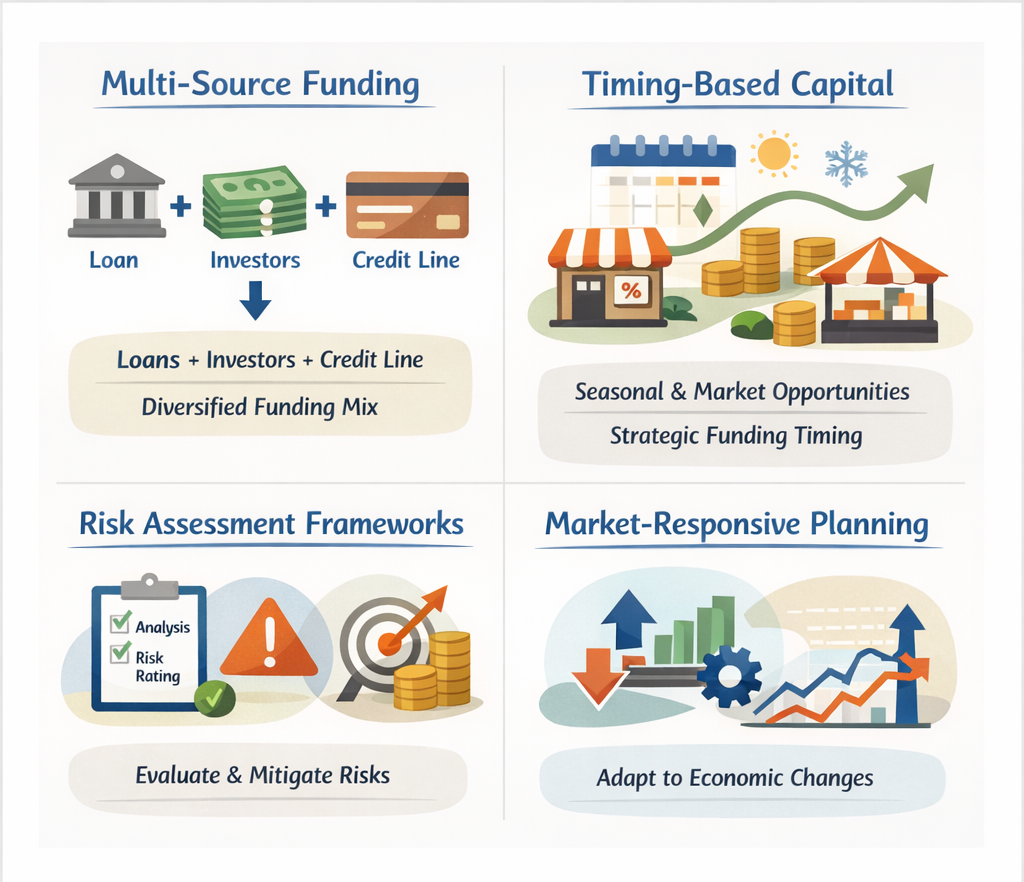
Strategic capital planning approaches form the foundation of successful restaurant expansion, as demonstrated in multiple case studies where operators carefully evaluated their strategic funding decisions before making critical growth decisions.
- Multi-source funding strategies: Successful restaurants often combine different financing options rather than relying on a single capital source, creating more flexibility and reducing risk exposure.
- Timing-based capital deployment: Case studies show that operators who align their funding acquisition with seasonal trends and market opportunities tend to achieve better results.
- Risk assessment frameworks: Restaurants that implement systematic approaches to evaluating funding decisions demonstrate higher success rates in achieving their growth objectives.
- Market-responsive planning: Adaptable capital strategies that can adjust to changing economic conditions help restaurants maintain growth trajectories during uncertain times.
Execution Methods for Restaurant Expansion
Execution methods for restaurant expansion vary significantly across case studies, but successful operators consistently demonstrate disciplined approaches to implementing their growth plans after securing appropriate funding.
- Phased expansion models: Many successful cases involve gradual scaling approaches that allow for learning and adjustment rather than aggressive rapid expansion.
- Operational systems development: Restaurants that invest in standardizing their processes and training programs before expanding typically achieve more consistent results across locations.
- Technology integration planning: Modern case studies highlight the importance of incorporating technology solutions early in the expansion process to support scalable operations.
- Staff development initiatives: Successful expansions often include comprehensive plans for recruiting, training, and retaining quality personnel across growing operations.
Crisis Management and Resilient Growth
Crisis management and resilient growth strategies have become increasingly important considerations for restaurant operators, as demonstrated by case studies of businesses that maintained stability during economic downturns.
- Flexible funding arrangements: Restaurants that secured financing options with adjustable terms were better positioned to weather unexpected challenges while maintaining growth momentum.
- Diversified revenue streams: Case studies show that operators who developed multiple income sources, such as catering or delivery services, demonstrated greater resilience during difficult periods.
- Cost management protocols: Successful restaurants implemented systematic approaches to monitoring and controlling expenses while preserving their ability to serve customers effectively.
- Adaptation strategies: The ability to quickly modify business models and service delivery methods proved crucial for maintaining operations during crisis situations.
Performance Measurement and Success Indicators
Performance measurement and success indicators help restaurant operators track their progress and make informed decisions about ongoing growth strategies, as evidenced in case studies that demonstrate measurable outcomes.
- Revenue growth tracking: Successful case studies typically include clear documentation of revenue increases following strategic funding and expansion initiatives.
- Market share expansion: Restaurants that effectively utilize their funding often demonstrate measurable improvements in their competitive positioning within local markets.
- Operational efficiency metrics: Case studies reveal that successful operators consistently monitor key performance indicators related to cost management and service quality.
- Customer satisfaction measurements: Long-term success stories often include evidence of maintained or improved customer experience levels throughout the growth process.
Step-by-Step Implementation Framework
A step-by-step implementation framework emerges from analyzing successful restaurant case studies, providing a structured approach that operators can adapt to their specific circumstances and growth objectives.
- Initial assessment and planning: Conduct comprehensive evaluation of current operations, market opportunities, and funding requirements before pursuing expansion initiatives.
- Capital acquisition and structuring: Secure appropriate financing arrangements that align with business goals and provide sufficient flexibility for implementation needs.
- Operational preparation and setup: Establish necessary systems, processes, and personnel structures to support expanded operations effectively.
- Launch and monitoring phases: Execute expansion plans while maintaining close oversight of performance metrics and making adjustments as needed.
- Optimization and scaling: Refine operations based on initial results and prepare for potential additional growth opportunities in the future.
Long-Term Results and Sustainability
Long-term results and sustainability considerations represent the ultimate measures of success in restaurant case studies, demonstrating how effective funding strategies translate into enduring business improvements.
- Enterprise value enhancement: Case studies show that strategic funding and expansion decisions often result in significant increases in overall business valuation and market positioning.
- Market resilience development: Restaurants that successfully navigate growth phases typically demonstrate improved ability to withstand future economic challenges and competitive pressures.
- Operational maturity achievement: Long-term success stories reveal the development of sophisticated business practices that support continued growth and profitability.
- Competitive advantage establishment: Successful case studies often result in restaurants achieving distinctive market positions that provide ongoing benefits and growth opportunities.
The journey from funding to growth represents a critical pathway for restaurant success, and these case study insights demonstrate that strategic planning, careful execution, and adaptive management can lead to meaningful long-term results. Restaurant operators who study these proven approaches and adapt them to their unique circumstances may find valuable guidance for their own expansion efforts.
Understanding the connection between capital strategy, execution steps, and sustainable outcomes can help restaurant owners make more informed decisions about their funding options and growth plans. While each business faces unique challenges and opportunities, these case study insights provide a foundation for developing effective approaches to restaurant expansion and success.