
.png)

Running a successful restaurant involves juggling countless variables, from fluctuating customer demand to seasonal ingredient costs. Many restaurant owners find themselves seeking flexible financial solutions that can adapt to their unique operational needs. Understanding the top 7 reasons restaurants choose a line of credit can help business owners make informed decisions about their financing options. A line of credit offers the flexibility and quick access to funds that restaurants need to maintain smooth operations while addressing unexpected challenges or opportunities.
Immediate Access to Working Capital
Immediate access to working capital represents one of the most compelling reasons restaurant owners turn to lines of credit. This financing option provides quick financial assistance without the lengthy approval processes typically associated with traditional financing methods.
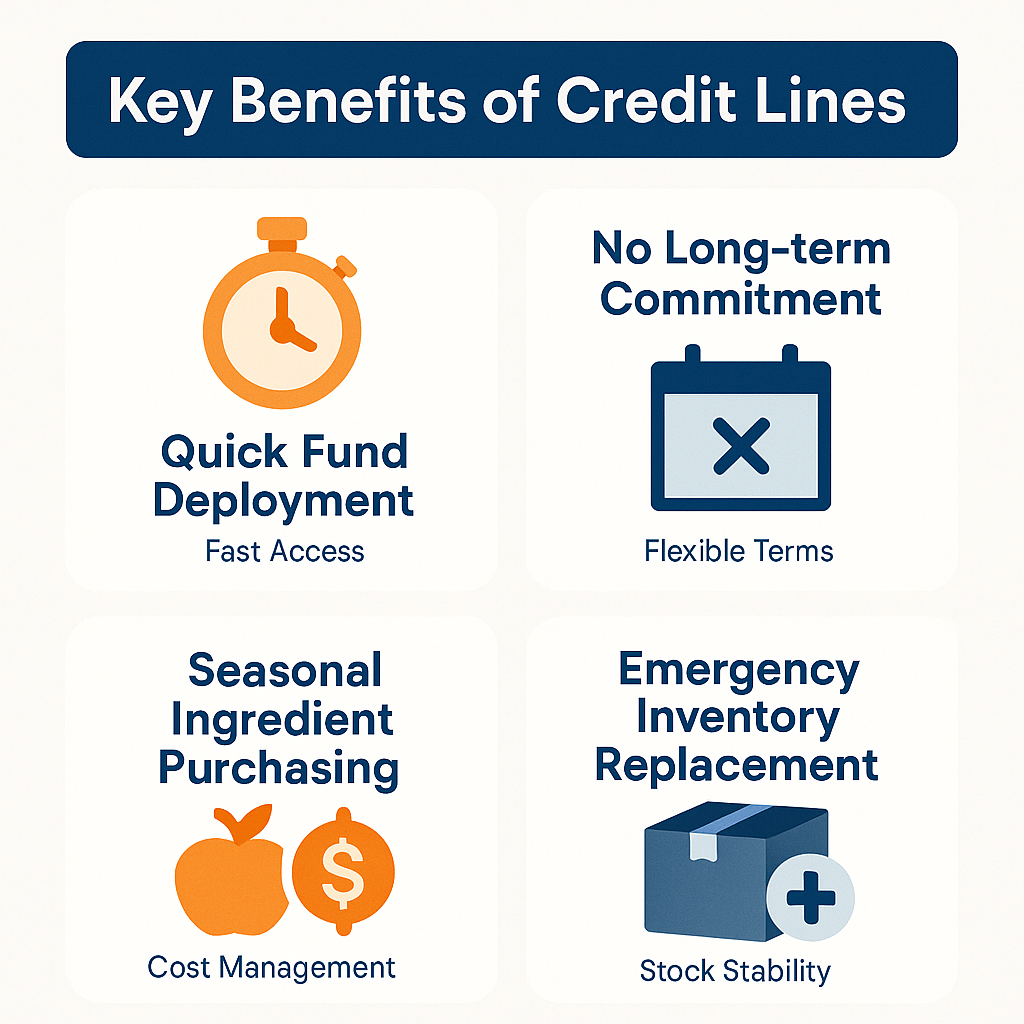
- Quick Fund Deployment: Restaurant owners can access funds within days rather than weeks, allowing them to address urgent operational needs without disruption to daily business activities.
- No Long-term Commitment: Unlike traditional financing options, a line of credit doesn't lock restaurants into extended repayment schedules, providing more control over financial obligations.
- Streamlined Application Process: Many lenders offer straightforward application processes that simplify financial management for busy restaurant operators who need quick solutions.
Managing Inventory Gaps Effectively
Managing inventory gaps effectively becomes crucial for restaurants dealing with seasonal fluctuations and supplier challenges. A line of credit helps restaurant owners maintain consistent inventory levels without straining their regular cash flow.
- Seasonal Ingredient Purchasing: Restaurants can stock up on seasonal ingredients when prices are favorable, ensuring menu consistency throughout the year while managing cost fluctuations.
- Bulk Purchasing Opportunities: Access to additional funds allows restaurants to take advantage of bulk purchasing discounts from suppliers, potentially reducing overall food costs.
- Emergency Inventory Replacement: When equipment failures or unexpected events disrupt inventory, restaurants can quickly replace essential items without waiting for revenue cycles to replenish stock.
Addressing Payroll Timing Challenges
Addressing payroll timing challenges helps restaurants maintain stable staffing levels despite irregular revenue patterns. Restaurant cash flow often fluctuates based on seasonal trends, weather conditions, and local events, making consistent payroll management difficult.
- Bridging Revenue Gaps: During slow periods, restaurants can use credit lines to ensure timely payroll payments, maintaining employee satisfaction and retention during challenging times.
- Supporting Staff During Growth: When expanding operations or hiring additional staff, restaurants can cover increased payroll costs before new revenue streams fully develop.
- Managing Holiday and Event Staffing: Special events often require additional temporary staff, and credit lines help restaurants manage these increased labor costs without impacting regular operations.
Operational Flexibility Benefits
Operational flexibility benefits make lines of credit particularly attractive for restaurants facing dynamic market conditions. This financing option adapts to the changing needs of restaurant operations throughout different seasons and business cycles.
- Equipment Repairs and Maintenance: Restaurant equipment requires regular maintenance and occasional emergency repairs that can't wait for scheduled budget allocations.
- Marketing and Promotional Campaigns: Restaurants can launch timely marketing initiatives to capitalize on local events or seasonal opportunities without depleting operational funds.
- Menu Development and Testing: Developing new menu items often requires ingredient experimentation and staff training, costs that lines of credit can help cover during the development phase.
- Utility and Rent Smoothing: During revenue fluctuations, restaurants can maintain consistent payments for essential services like utilities and rent, preserving important vendor relationships.
Short-term Flexibility for Growth Opportunities
Short-term flexibility for growth opportunities allows restaurants to capitalize on unexpected business expansion possibilities. This financial tool enables restaurant owners to act quickly when favorable circumstances arise without waiting for traditional financing approval.
- Location Expansion Opportunities: When prime real estate becomes available, restaurants can secure deposits and initial setup costs while arranging longer-term financing for major renovations.
- Catering Contract Fulfillment: Large catering contracts may require upfront ingredient purchases and additional equipment that credit lines can help finance before payment collection.
- Seasonal Menu Launches: Introducing seasonal specialties often requires ingredient testing, staff training, and promotional materials that benefit from flexible financing timing.
- Partnership and Collaboration Investments: Collaborating with local businesses or events may require quick financial commitments that credit lines can facilitate.
The restaurant industry's unique financial challenges require flexible solutions that can adapt to changing operational needs. Lines of credit offer restaurant owners the ability to address inventory gaps, manage payroll timing, and maintain operational flexibility without the constraints of traditional financing options. By providing immediate access to working capital and supporting both day-to-day operations and growth opportunities, credit lines have become an essential tool for successful restaurant management. Restaurant owners considering their financing options should evaluate how a line of credit might support their specific operational needs and growth objectives, keeping in mind the importance of responsible financial management in building a sustainable business.